


A Better Way to Handle UV Curing in Textile Printing
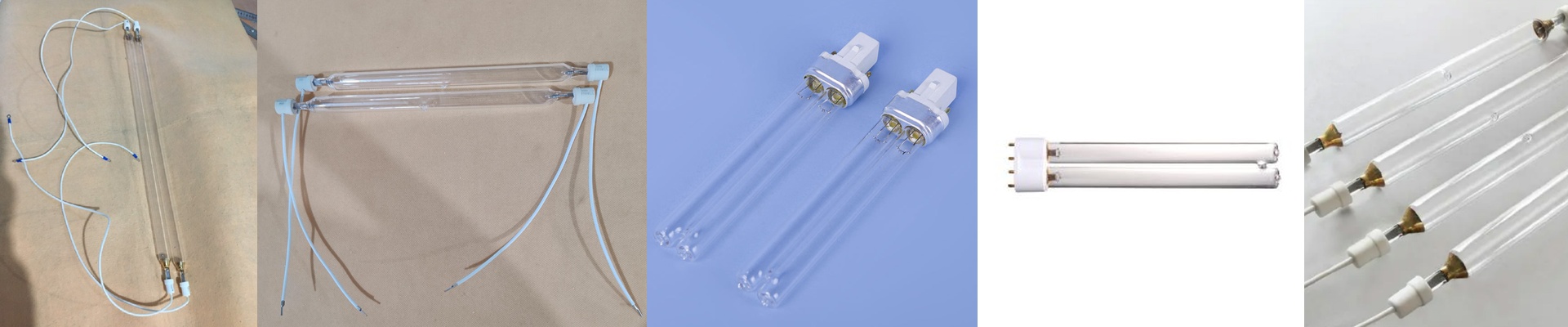
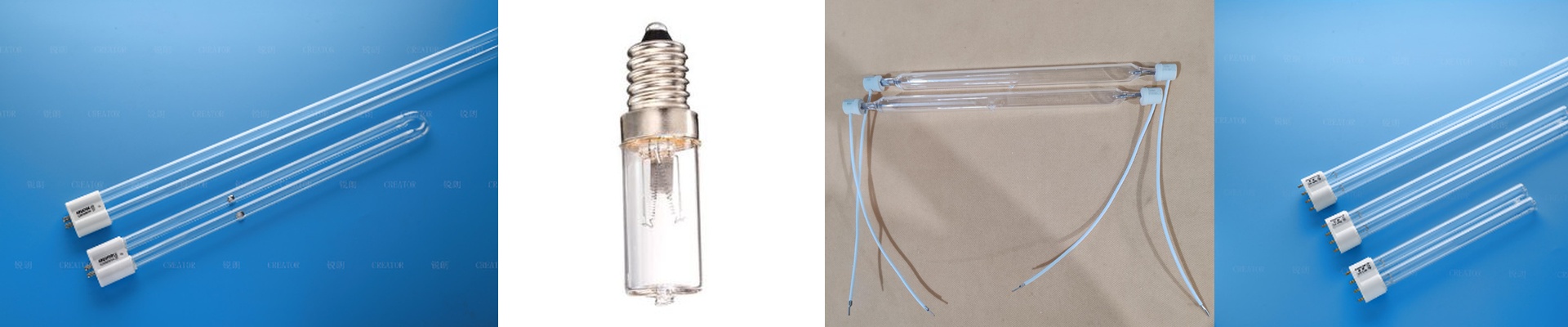
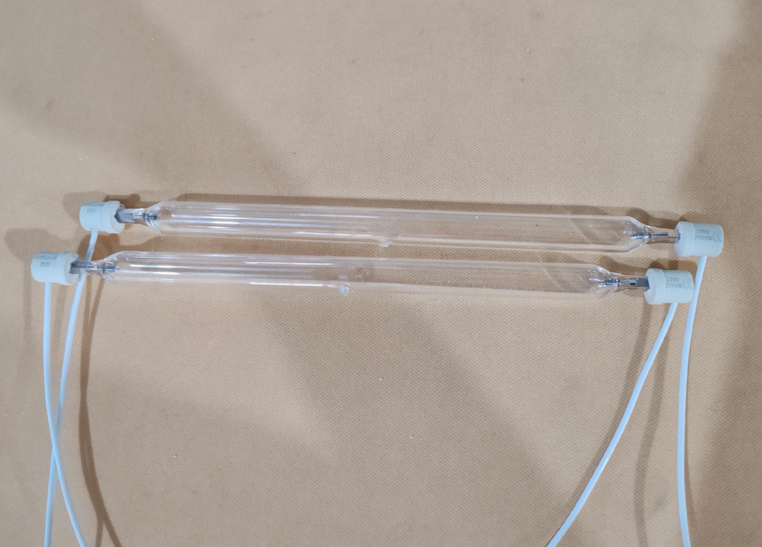
When you’re processing printed fabrics, you need more than just a basic sterilization light. You need something that can lock in your inks and clear out contaminants without accidentally frying the fabric. That’s exactly why we built our energy-saving UV lamps the way we did. The secret is in the light. Most lamps waste a ton of energy by pumping out infrared heat. That’s a problem because it cooks your fabric. We tweaked the gas mix and electrode shapes to focus almost everything on that 254nm UVC peak. The result? You get the curing power you need, but the fabric stays cool. Just a heads-up: if you’re running these at full blast, keep an eye on your conveyor speed. If the fabric moves too slowly, it might shrink. Built to last (and save you money) We used high-transmittance fused quartz for the tubes. It’s tough. It doesn’t freak out when the temperature swings, and it keeps the UV output steady even when things get hot. Plus, we stripped out the bulky, power-hungry ballast draws. It makes the curing tunnel smaller and, more importantly, it brings your electricity bill down. Getting it onto your line Installing these is pretty simple—they just drop right in. We also used heavy-duty connectors because we know print shops are vibrate-y places, and the last thing you need is an arc-out shutting down your day. Since these lamps don’t put off nearly as much heat as old-school IR heaters, you can move them closer to the fabric. This gives you a much stronger hit of UV right where it matters. One last thing. UVC is powerful stuff. If you leave certain synthetic polymers under the light for too long, they can get brittle. Take a minute to calibrate your exposure time based on the specific blend of fabric you’re using. It’s a small step that saves a lot of wasted material.