


The Real Deal on Sourcing Custom Gallium Iodide UV Lamps
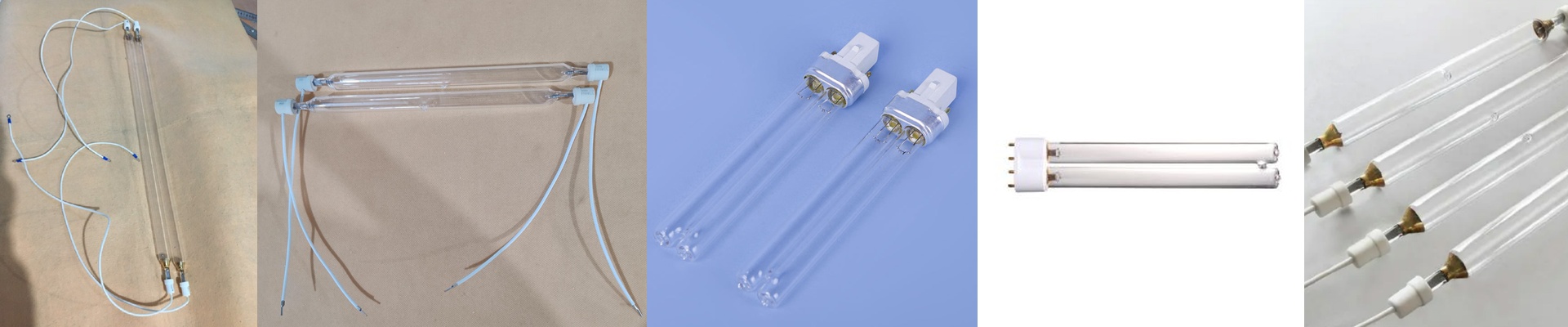
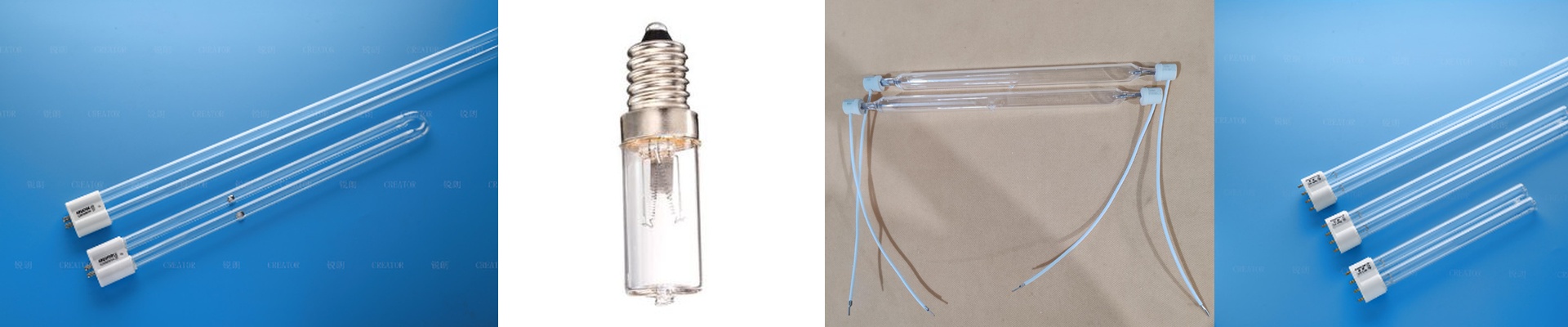
If you’re working with high-precision curing or photolithography, you’ve probably realized that standard mercury lamps just don’t cut it. They’re too broad. You need something that hits that sweet spot between 250nm and 350nm without missing a beat. That’s where our Gallium Iodide (GaI) lamps come in.
It’s all in the mix
Here is the thing about the physics: we use a specific gallium-based halide fill to shift the emission peak. Why does that matter? Because it lets you target your photo-initiators perfectly without accidentally cooking your substrate. Most generic lamps mess this up. If the gas mixture or the pressure is off by even a tiny fraction, you get “spectral drift.” Suddenly, your cure rate tanks, and you’re forced to slow down your entire production line. That’s a nightmare nobody wants.
The headache of exporting (and how to avoid it)
When you ship your equipment across borders, you aren’t just moving a piece of hardware. You’re moving intellectual property. A lot of generic lamps are just copycat designs. If you build a machine using one of those and ship it to the US or EU, you’re playing a dangerous game. Customs could seize your gear, or you could find yourself staring at a patent infringement lawsuit. We do things differently. We hold our own patents on the electrode geometry and how we seal the quartz. When you use our tech, you have a clean legal paper trail. It makes exporting your machines a whole lot less stressful.
A few warnings from the workshop
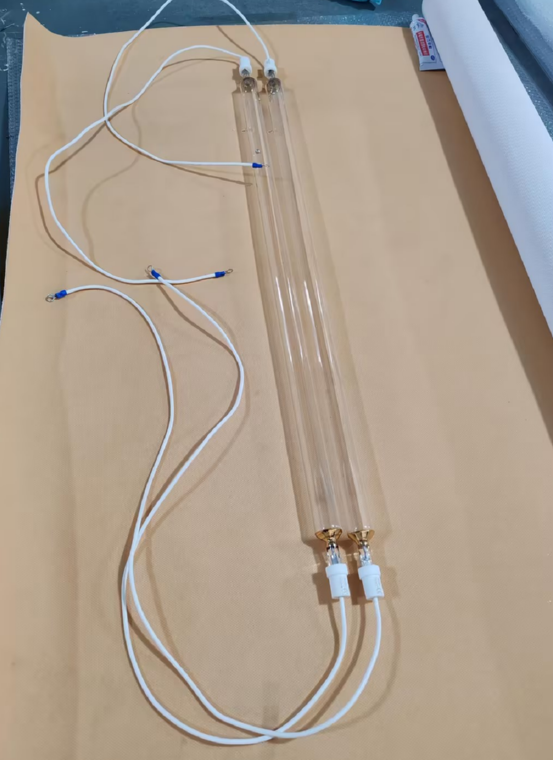
I’ll be honest with you: high-output GaI lamps gethot. Specifically at the pinch point. You can’t just slide these into a standard fixture and hope for the best. If your cooling system isn’t spec’d to handle that thermal load, the quartz envelope will stress out and eventually crack. We build these to fit specific OEM footprints, but we’ll always nag you about your ballast compatibility. If the voltage is mismatched, you’ll burn through your electrodes in a few weeks. We’ll give you the exact electrical specs. Follow them, and you’ll get it wired up right the first time.