Introduction
When we build our UV sterilization lamps, it all comes down to what’s happening inside the tube. You can’t see the gas fill itself, but you can absolutely tell what’s going on just by looking at the light. The color temperature is your instant heads-up. If the glow is steady and just right, you know the physics are working in perfect balance. It’s like a heartbeat you can see.
The Secret Sauce: Power, Voltage, and Shape
Getting the right UV output is all about finesse. We match the lamp to its ballast and the fixture, so the arc stays rock-solid, even when things get busy. The shape of the tube matters, too. A longer arc spreads out the heat. A shorter one keeps it concentrated. And if the lamp needs higher voltage to run, that’s great for consistency, but it means the driver has to be tough enough to handle the surge without faltering. Get the geometry wrong, and you’re either left with a lamp that underperforms or one that runs way too hot for its own housing.
What’s Inside: Gas, Quartz, and Connections
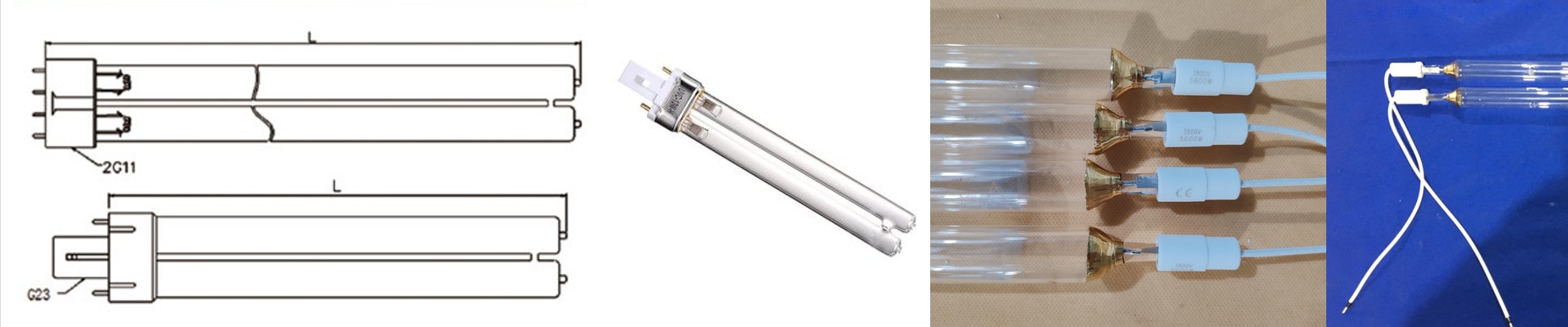
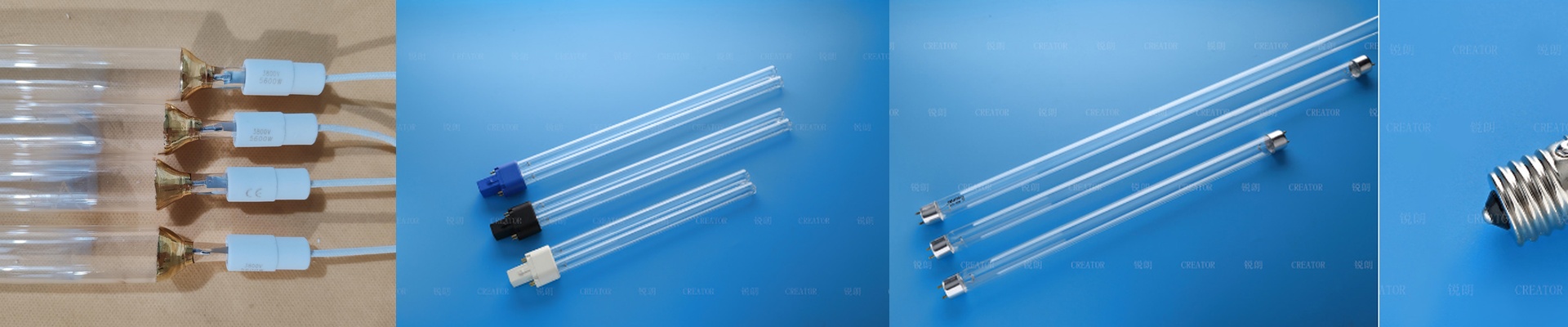
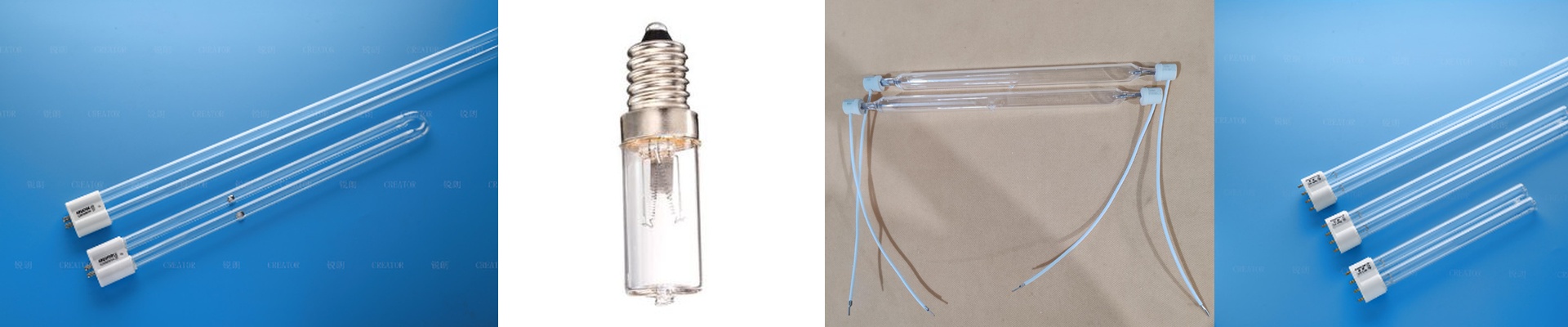
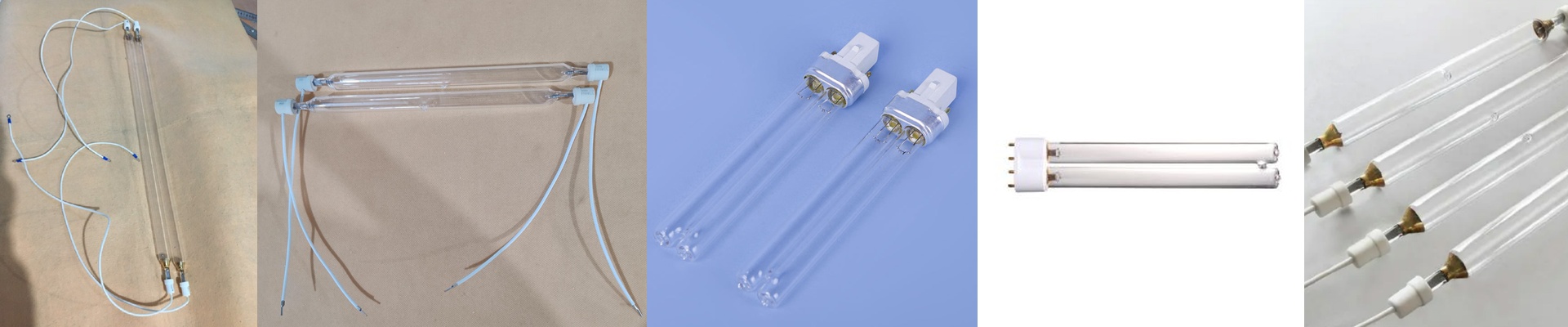
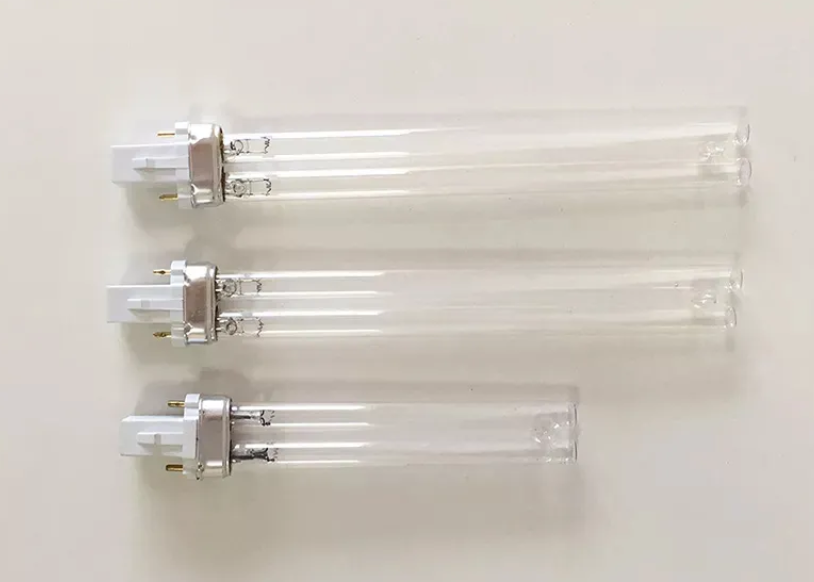
The gas fill is the unsung hero. It sets the starting voltage and gives the lamp its working color. We use a halogen fill to keep the quartz envelope clean. This stops tungsten buildup, which means the UV transmission stays strong. The quartz itself has to be tough—it takes the heat and the UV radiation without ever getting cloudy. And for installation? We stick to standard connectors. That way, the lamp just drops right into the sockets you already have. No messy rewiring on the shop floor. It’s one less thing to worry about.
Real-World Use: The Trade-offs
In a room sterilization setup, you need UV output you can count on, day after day. The lamp has to handle frequent on-off cycles and keep performing as the electrodes age. Sure, high power means faster disinfection, but it also means more heat in the fixture. So, make sure you’ve got enough cooling and that the socket is rated for the job. And here’s a pro tip: watch the color temperature like it’s a live diagnostic. If the glow starts to drift, that’s your cue that the gas composition is off. Time to swap in a fresh one.