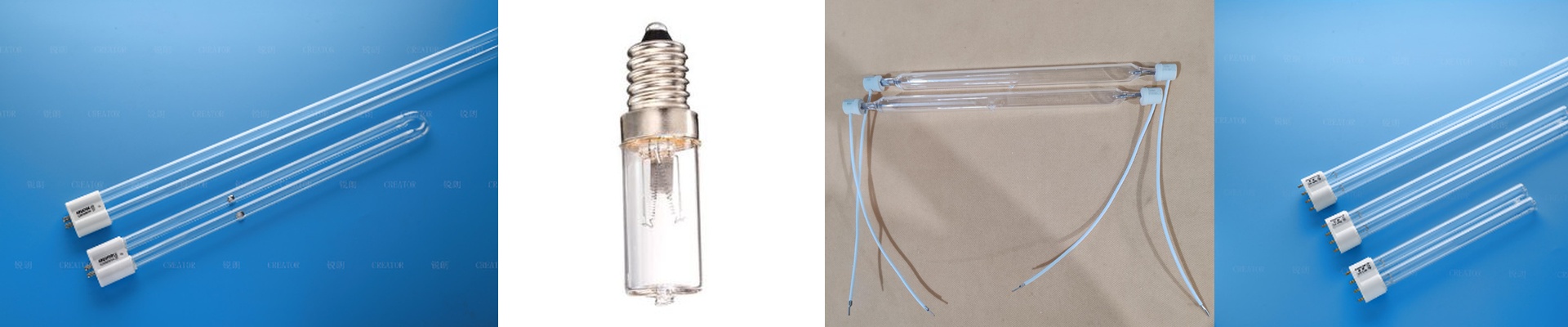
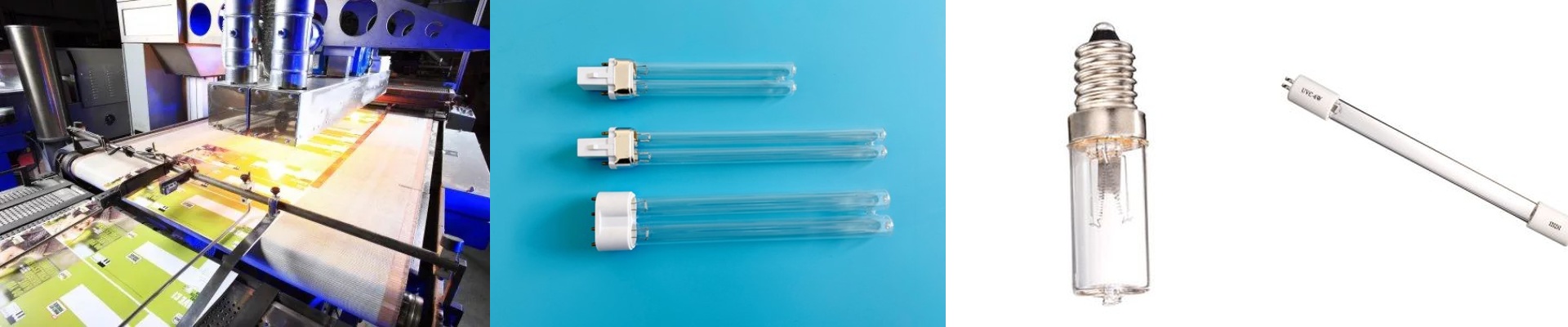
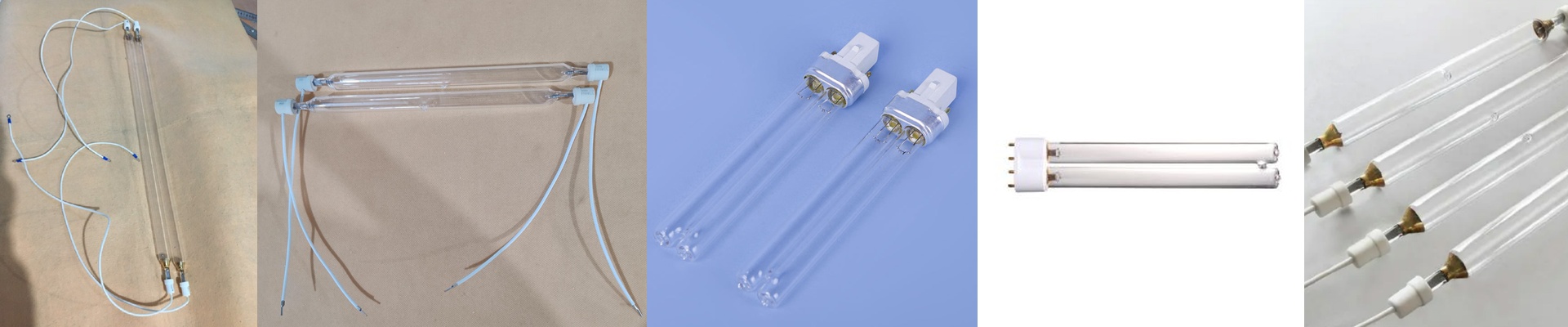
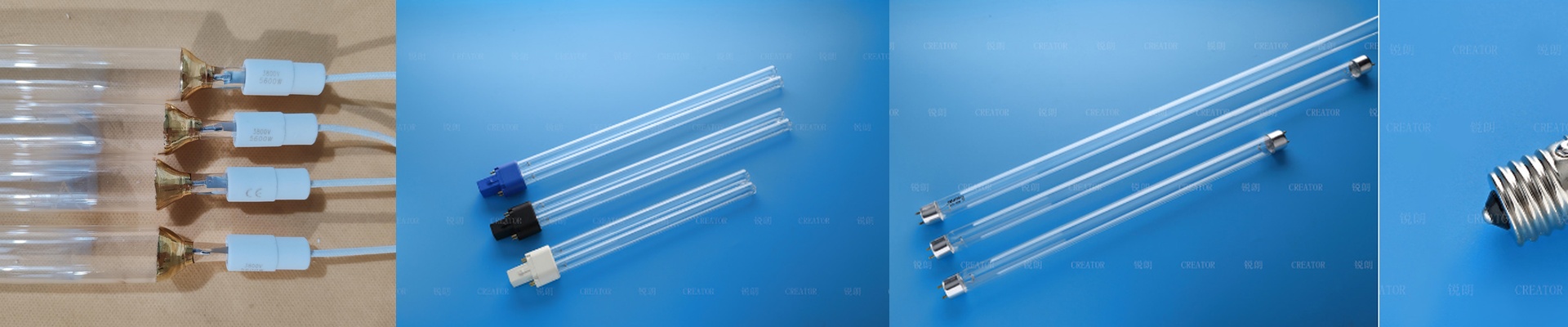
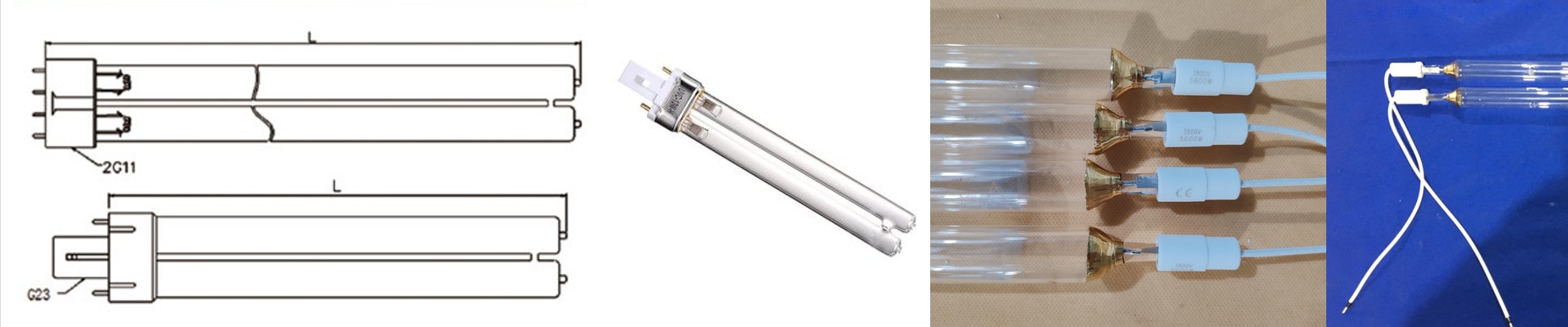
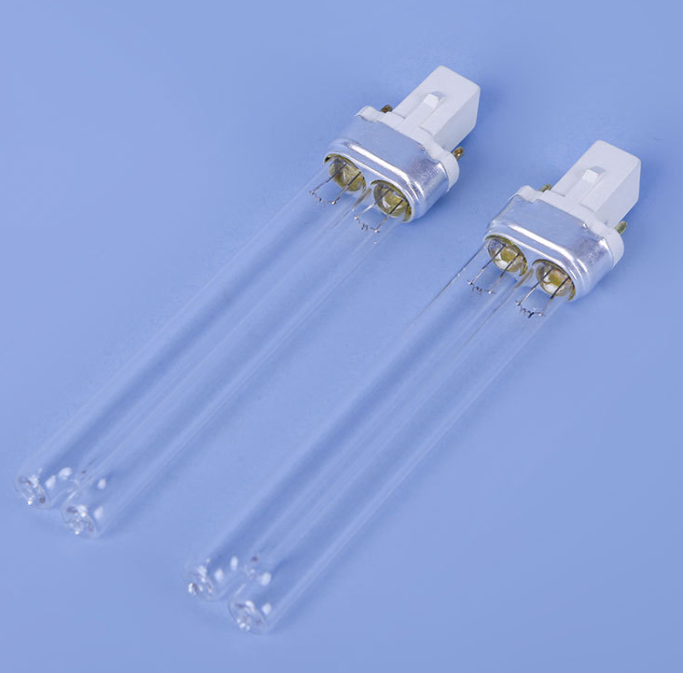
In the UVC market, spec sheets all start to look the same — until compliance comes knocking. If you’re shipping footwear worldwide, a lamp without proper certification isn’t just a gamble. It’s a shipment that can get stopped at the border. Go with CE-certified UVC systems and you get the audit trail and safety backing that international rules require. Disinfection stops being a local workaround and becomes a process that clears customs. What matters under the hood We build our UVC units around 254nm mercury vapor lamps. They deliver a controlled germicidal dose that knocks out pathogens without dumping residual heat into the line. Spectral output stays tightly managed, and the lamp housing uses ozone-free quartz sleeves. We calibrate peak irradiance at the target surface so microbial reduction is consistent, and the system is rated for continuous duty. The CE mark isn’t a label. It’s documented proof that electrical safety, EMC, and biocidal efficacy meet EN standards. Why it fits shoe lines On a shoe line, disinfection has to keep up with throughput. Our UVC units drop straight into conveyorized zones, giving rapid exposure without slowing the line. You get a repeatable kill rate that supports clean-room protocols and brand hygiene, and you do it without solvents or heat that can warp materials. With CE certification, export paperwork stays clean, audits are easier, and customs rejections for non-compliance drop off. The details that bite you if you ignore them UVC needs line-of-sight. Shoe geometry throws shadows, so fixture placement and reflector geometry have to be engineered around the product, not just the lamp. And lamp output fades with hours. Run periodic radiometer checks, and replace based on delivered dose, not a calendar. CE compliance helps, but it only stays valid when installation and maintenance follow the manual.