



Getting the Wavelength Right in Quartz UV Tubes
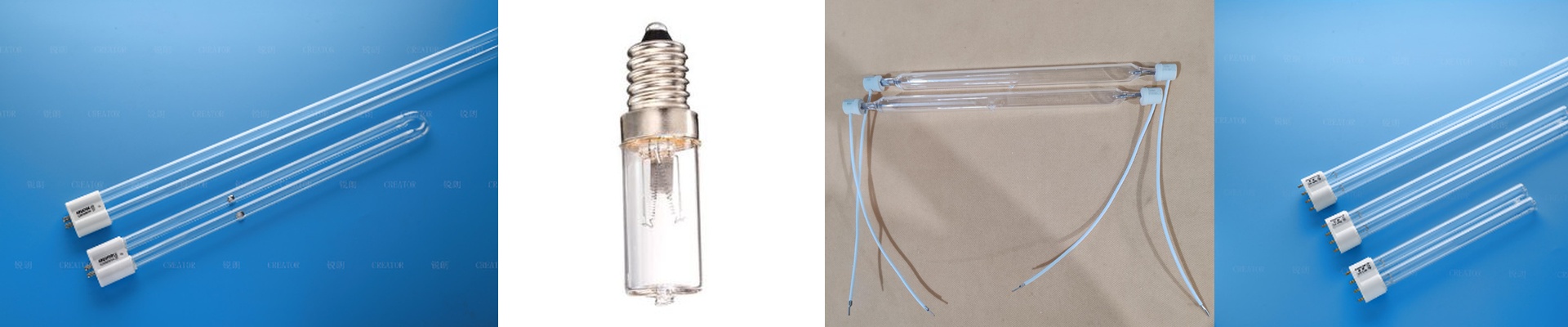
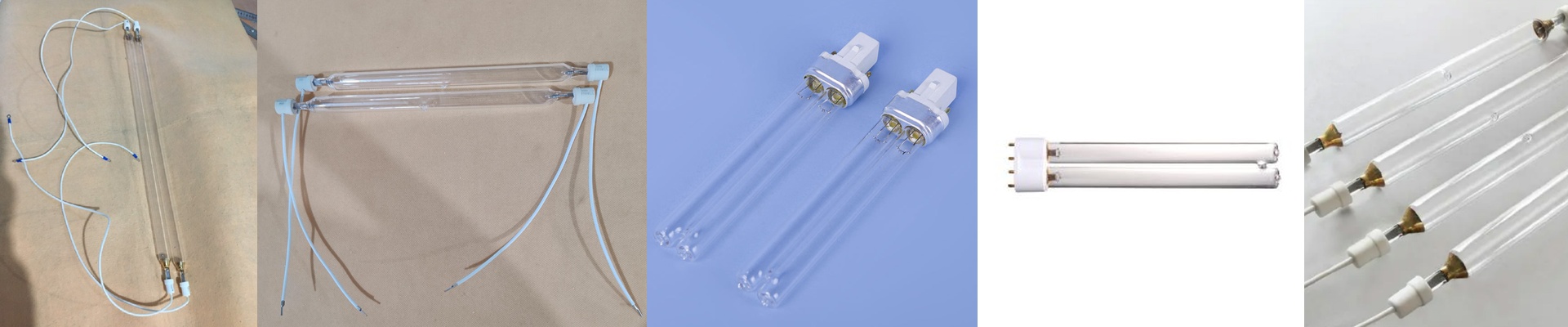
We don’t just blow glass. We’re essentially managing how photons behave. In the lab, we spend most of our time obsessing over that tiny, critical gap between UV-A, UV-B, and UV-C. If you want a specific peak wavelength, you can’t just wing it. It comes down to two things: how pure the quartz is and exactly what’s mixed into the gas inside. The deal with the glass Most glass is a wall—it just blocks UV. That’s why we use high-purity fused silica. It lets those shortwave rays slide right through without the tube wall soaking them up. Here’s the problem: if the quartz is dirty or has too many impurities, the lamp runs way too hot. The walls get stressed. Then, the tube burns out long before it should. We’re picky about our quartz specs because we want that light to hit your target nanometer range without any interference. Heat vs. Precision Tuning a lamp is always a bit of a balancing act. To nail a precise UV peak, we have to mess with the gas pressure and the electrode materials. But there’s a catch. High-output UV lamps throw off a ton of infrared heat. It’s intense. You’ve got to make sure your cooling fans or water jackets can actually keep up. If the tube gets too hot, the spectral output starts to drift. Suddenly, you’re not hitting your target wavelength anymore, and your process fails. Fitting them into your line We build these for the heavy lifters—the curing lines and sterilization arrays. We offer different end-cap setups because a tight electrical seal is everything. A loose connection at the base? That creates an arc, and it’ll kill the tube in a heartbeat. We keep the tolerances tight so you can just slide these into your existing rigs and get back to work. It all comes down to stability. You need a consistent UV dose every single time. That’s why we test every batch. We make sure the output stays rock solid across the entire production run, so you don’t have to worry about it.