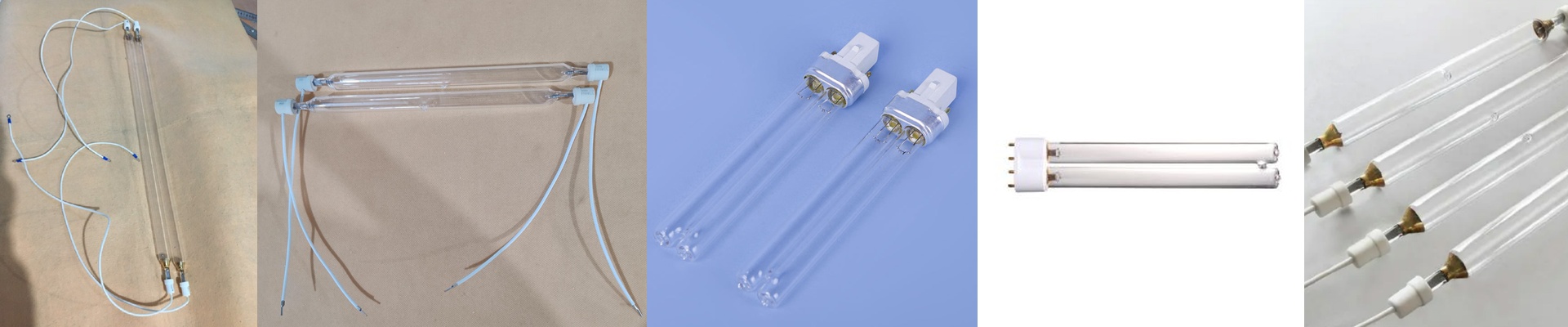
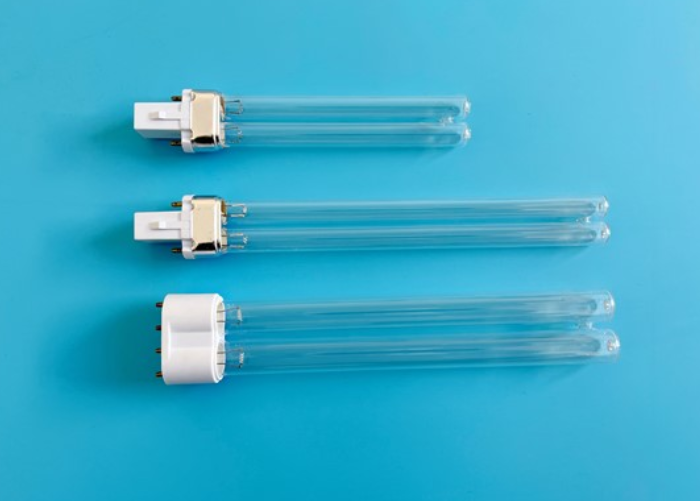
The Magic Behind Instant Curing
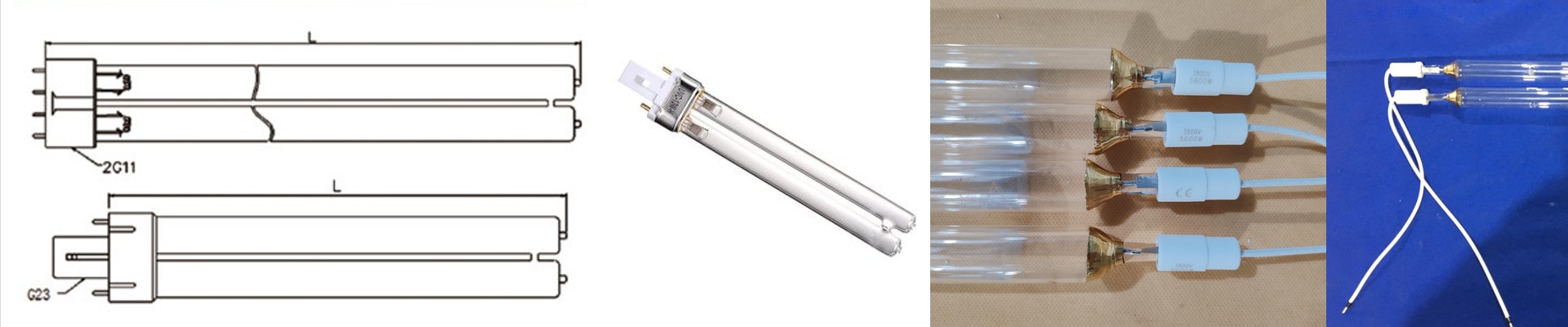
Let’s cut to the chase. UV curing is way more than just flipping a switch. It’s a precise, controlled chemical reaction that happens right before your eyes. Think of it this way: the lamp blasts out intense ultraviolet light, perfectly matched to the ink’s chemistry. That light energy hits the ink, and boom—a chain reaction starts, instantly locking everything into place. It’s not drying. It’s curing. In an instant. And that speed? It’s all about the specs. The 2500W power rating is what gives you the sheer photon power needed to cure the whole surface in one go. The 400V input keeps the power steady, so you never get dips that could mess up the cure. And the 300mm length? It’s just right, giving you full coverage without taking up too much space.
Why the Quartz and Halogen Combo Wins
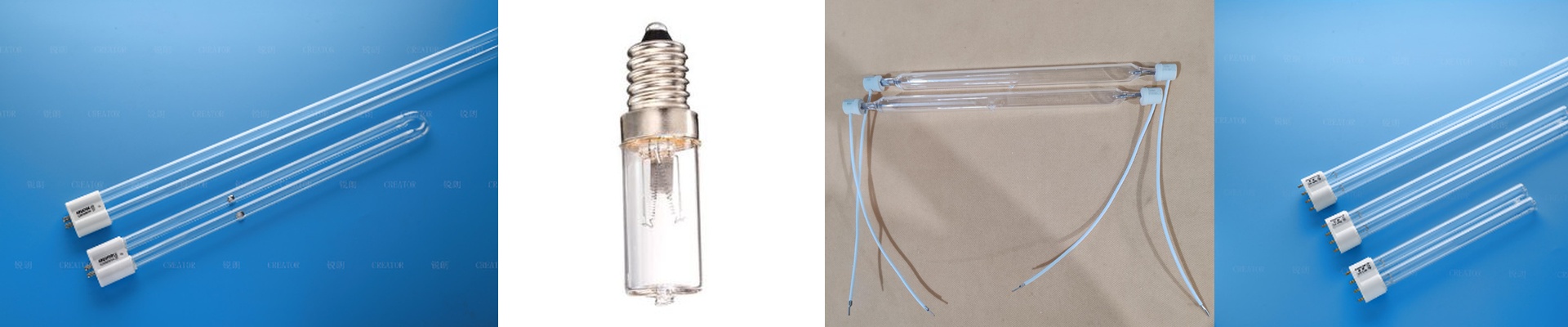
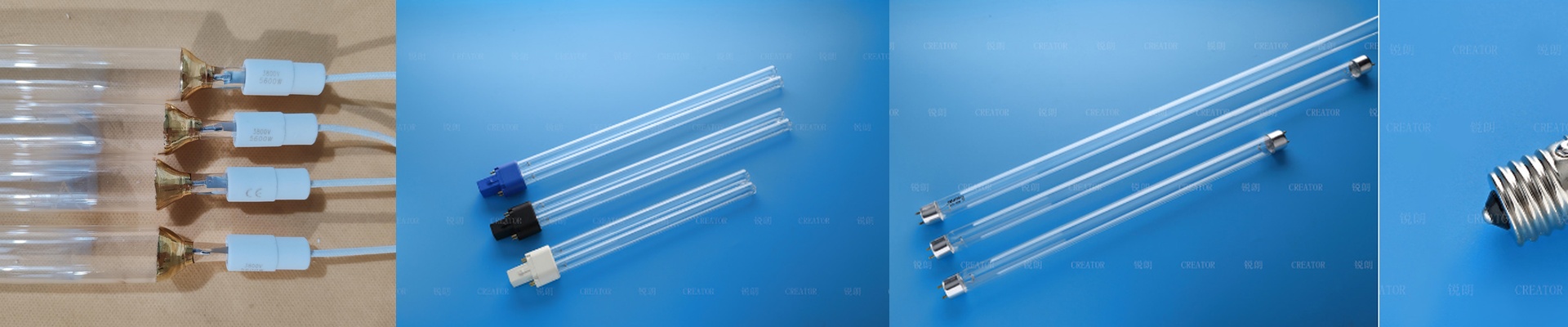
The lamp’s heart is a high-purity quartz envelope. This stuff lets the UV light pass right through with almost no loss, so all that energy gets where it needs to go. Pair that with a halogen fill gas, and you’ve got a winning combo. That halogen cycle keeps the filament stable, which means the lamp lasts way longer. No more worrying about it burning out like a regular bulb. The R7s connector is another smart choice. It’s a tough, two-pin design that handles the high current without getting hot. It’s also a direct fit for existing fixtures, so you can just wire it in and get back to work. And inside, a reflector coating focuses all that UV energy forward, so less is wasted and the target gets maximum intensity.
What It’s Like on the Factory Floor
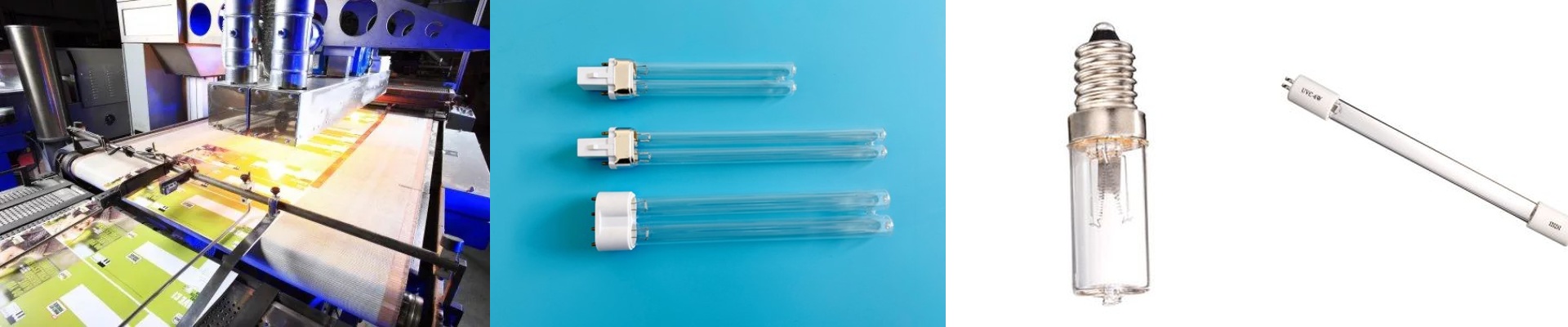
This setup is built for the long haul. The intense heat means you get curing speeds that keep your production line moving. But here’s the thing: that power comes with a price. The lamp runs hot, so your machine’s cooling system has to be up to the task. Without proper cooling, the heat stress will shorten the lamp’s life. For the folks on the floor, it means fewer surprises. You get consistent cure quality, less maintenance, and a lamp that just keeps delivering the UV output you need, cycle after cycle. The kind of reliability you can count on when the pressure is on.