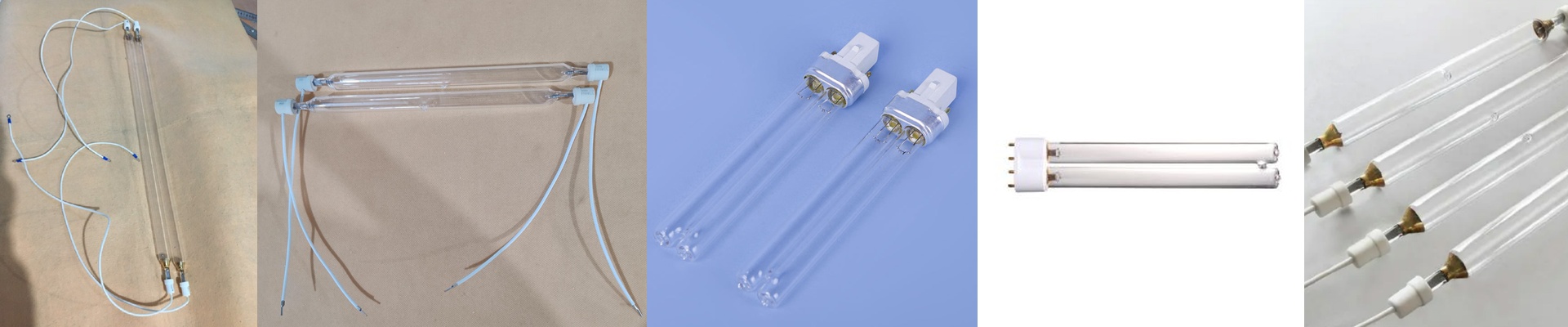
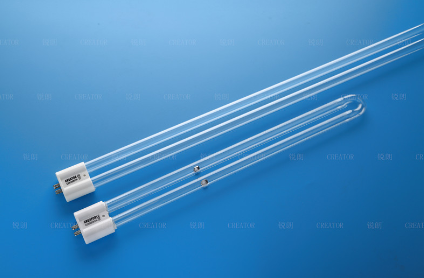
Gallium Iodide Lamps: The Secret Weapon for Precision UV Curing on the PCB Line
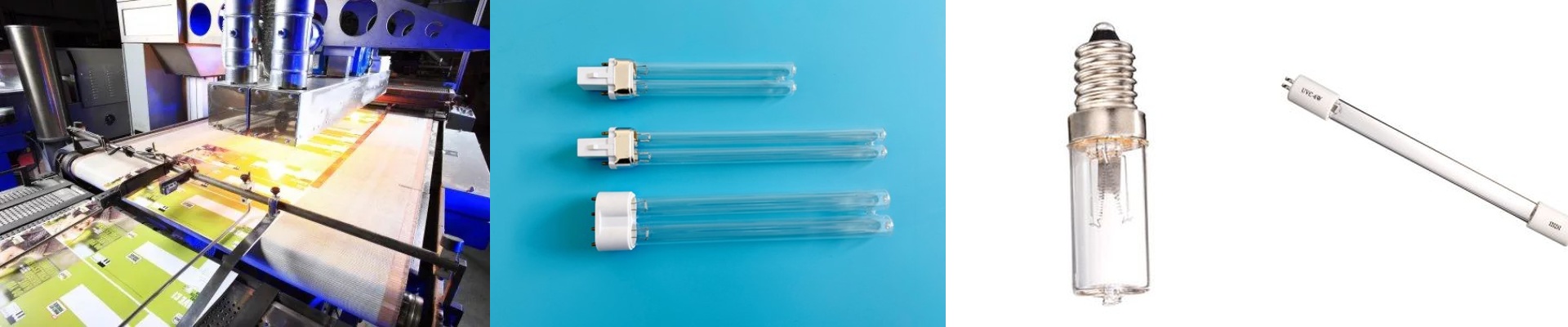
Picture the floor of a PCB factory. It’s loud, it’s busy, and there’s zero room for error. We built the Gallium Iodide lamp to thrive in that chaos. Its one job? Delivering a steady, hard-hitting blast of UV energy to cure solder masks and legend inks. This isn’t just about light. It’s about control. Inside, we pair a high-output halogen element with a special gallium iodide fill. This combo ensures the UV spectrum lands exactly where it needs to, hitting the perfect wavelengths for rapid polymerization.
Power, Heat, and the Real-World Specs
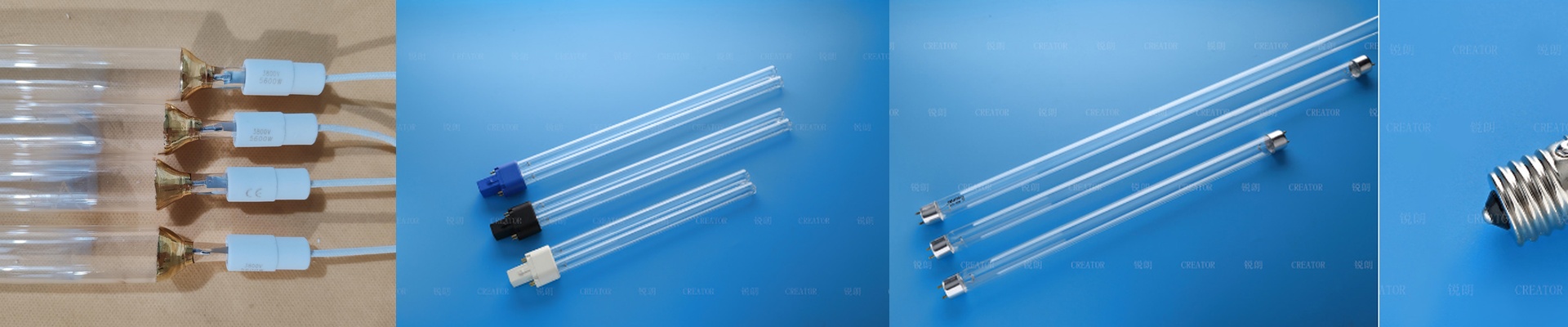
Here’s the thing about power: you need the right amount in the right place. We engineered this lamp with a 400V high-voltage setup to pack a serious punch into a compact 300mm tube. It slips right into those tight curing chambers without ever compromising on output. And that 2500W rating? It means the lamp comes up to speed fast. Seriously fast. That cuts down on cycle time and keeps the line moving. But with that kind of power density comes heat. A lot of it. So your machine’s cooling system has to be up to the task. If the cooling is undersized, you risk thermal runaway. That shortens the lamp’s life and can even damage the sensitive board materials. So yeah, make sure the cooling is solid.
The Built-to-Last Details
We chose a high-purity quartz envelope for the tube. Why? Because quartz handles the shock of rapid on/off cycles like a champ and lets the UV spectrum through cleanly. Inside, the halogen cycle keeps the filament strong, preventing blackening and keeping the output consistent for the life of the lamp. Then there’s the connector. We went with an R7s. It’s a practical choice that gives you a solid, two-point contact. It handles the high current without creating hot spots. And that means the lamp is a simple, drop-in replacement when it’s time for maintenance. No hassle. No downtime.
What This Means for Your PCB Production
On the line, precision is everything. The gallium iodide fill zeroes in on the exact UV band needed to cure inks and masks, while the halogen element keeps the thermal stability locked in. The result is a curing process you can count on, shift after shift. That means fewer rejects from under-curing or overheating. You get a lamp that can handle the 24/7 grind, wires up easily, and just keeps performing. For the engineers, it means fewer headaches with parameter adjustments and more time where the line is actually running.