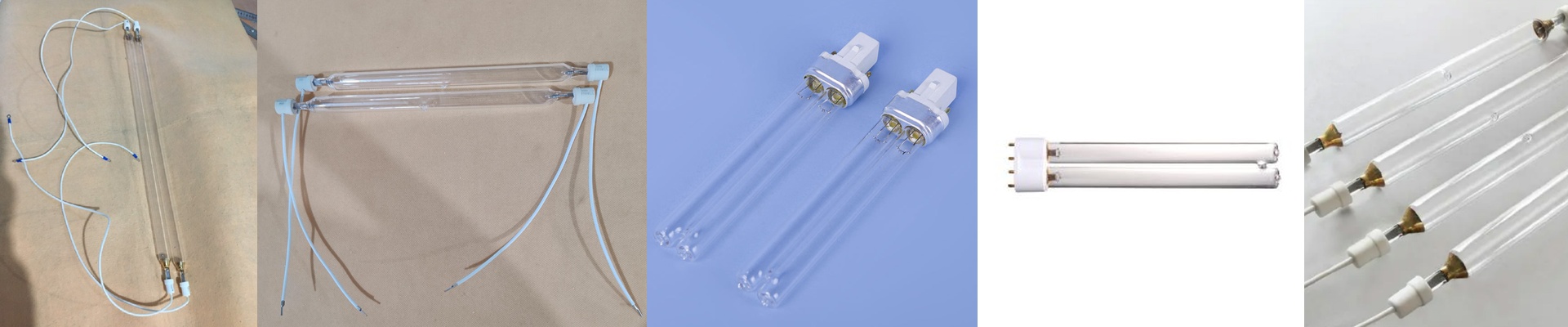
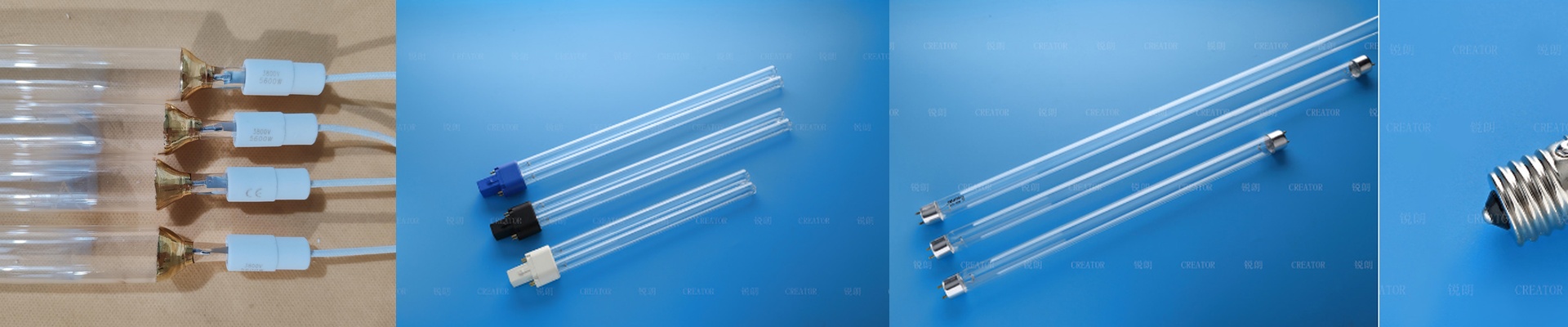
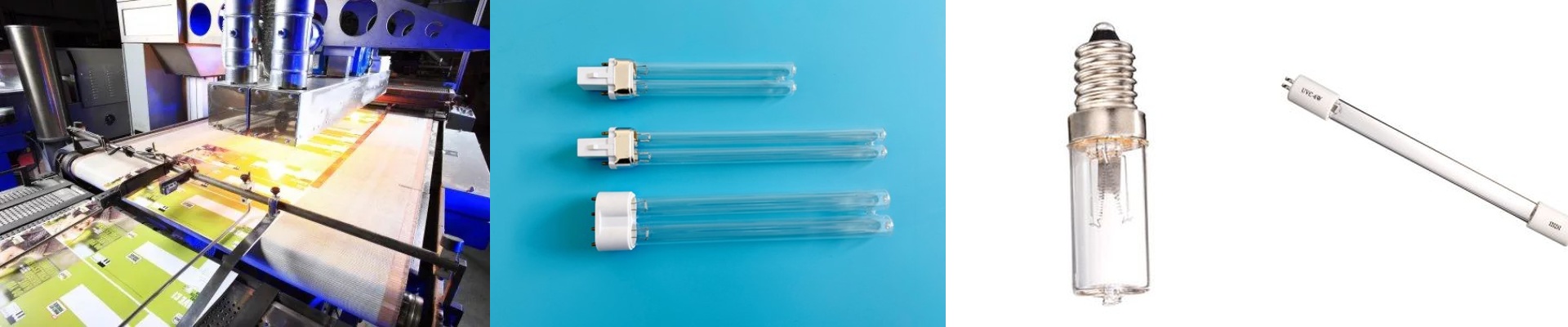
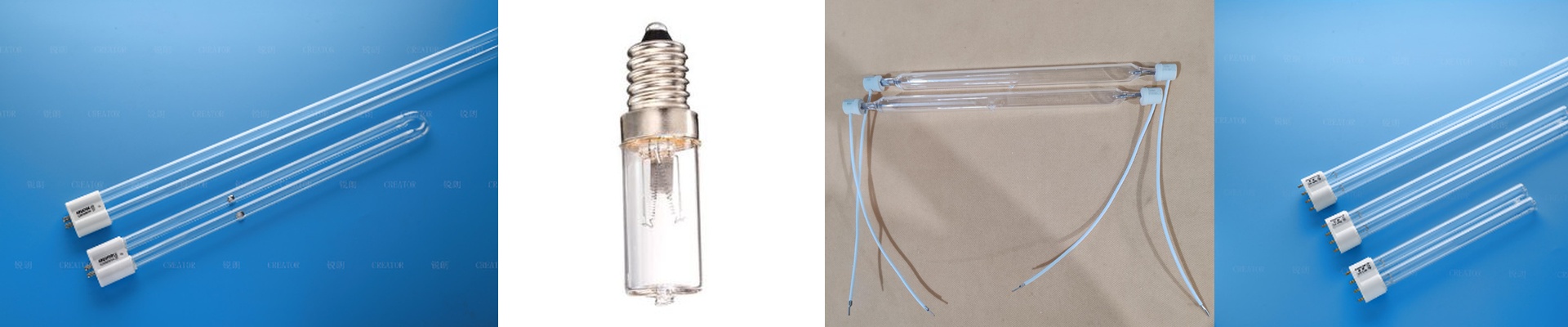
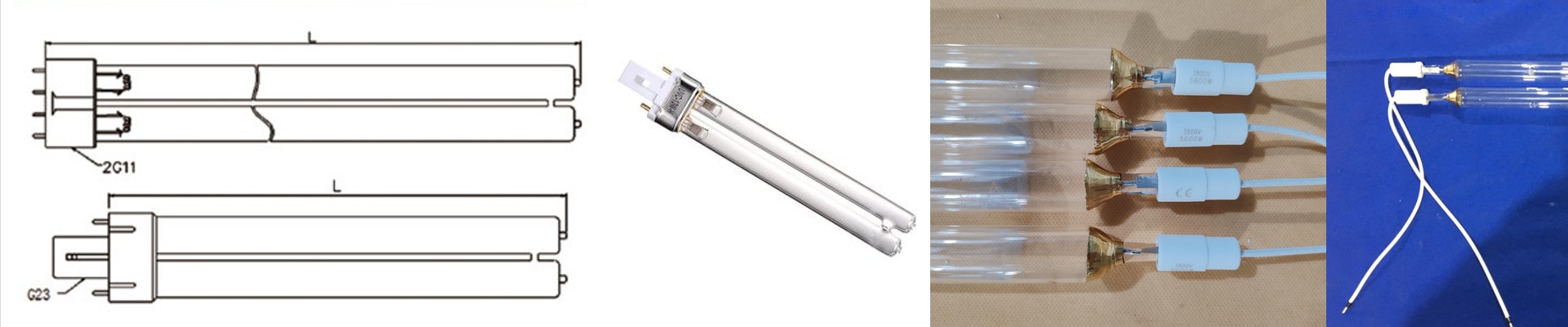
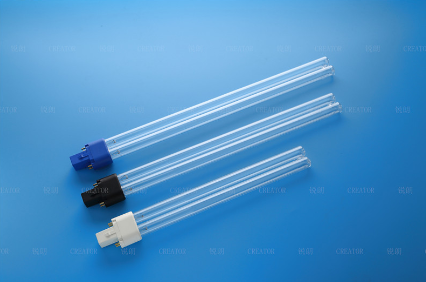
On a glass printing line, a lamp that can’t keep up doesn’t just drag throughput—it shows up as tacky edges, weak adhesion, and panels that get scrapped. We built our gallium iodide UV lamp for glass print so the cure repeats, job after job, and your line keeps moving. What actually matters under the hood Gallium iodide doping tightens the spectral output into a high-energy band centered around 365–405 nm, right where the photoinitiators in glass-friendly UV inks absorb. You get an instant surface cure plus deep cross-linking, not just a skin that looks dry. Peak irradiance stays consistent across the full arc length thanks to a dichroic-coated reflector, so energy density is even over the full print width. The lamp runs ozone-free, keeps heat off the substrate, and holds output steady over thousands of hours—field data shows less than 5% drop after 5,000 hours. Why this spectrum fits glass work Glass demands a cure that gets into micro-roughness and past inorganic pigments without cooking the substrate. The gallium iodide spectrum delivers the photon density needed for full polymerization, so you get immediate handling strength and better scratch resistance. Expect shorter dwell, fewer reprints, and a cure that stays stable even when you push line speed. And because uptime is what you’re really grading on, we stand behind it: if the lamp dips below spec during the warranty period, the replacement process is set up to get your press back on. The details you can’t skip Matching the lamp to the system is mandatory. Confirm arc length, end-of-life protocol, and reflector geometry—get any of that wrong and you’ll see hot spots and uneven cure. Check power supply compatibility and ignition voltage. Gallium iodide lamps need stable ballast control to keep spectral output where it should be. And plan for reflector inspections and proper cooling airflow—those two items directly set the lamp’s effective life and curing uniformity.