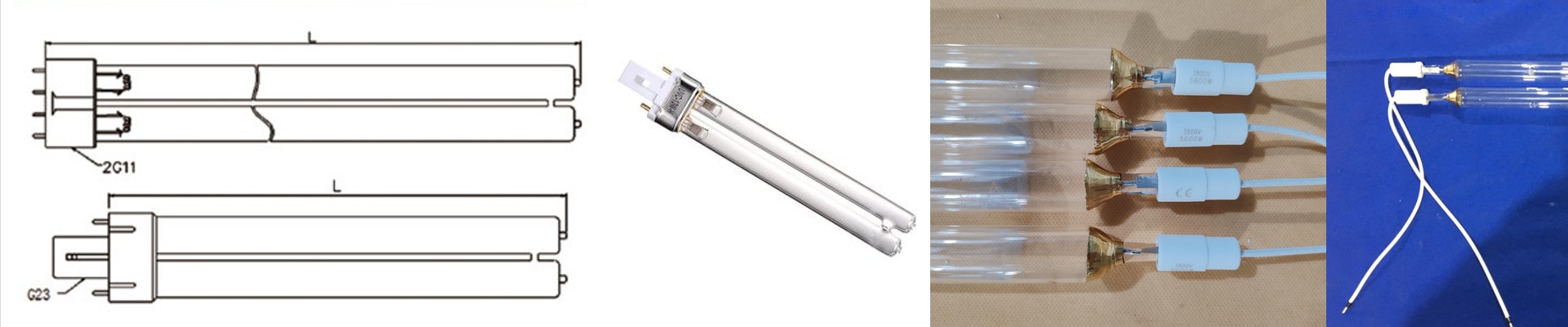
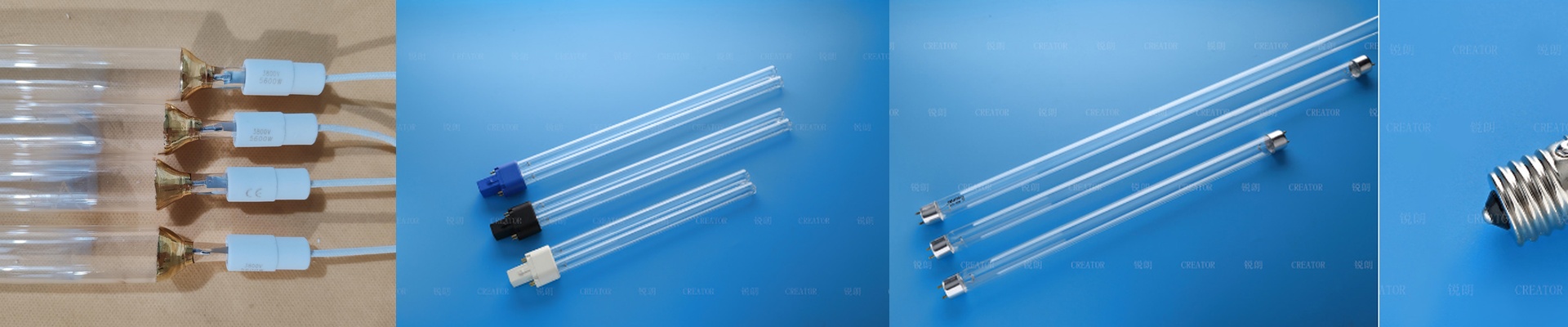
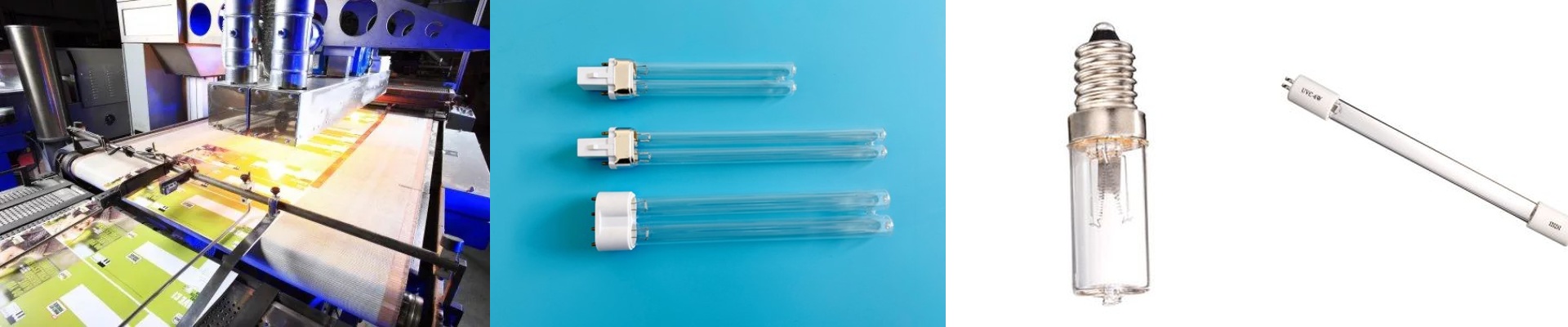
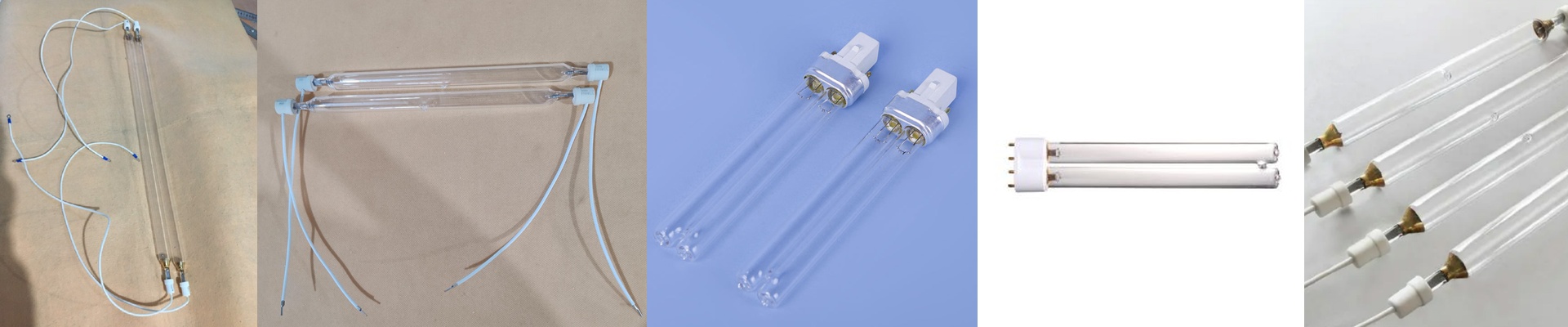
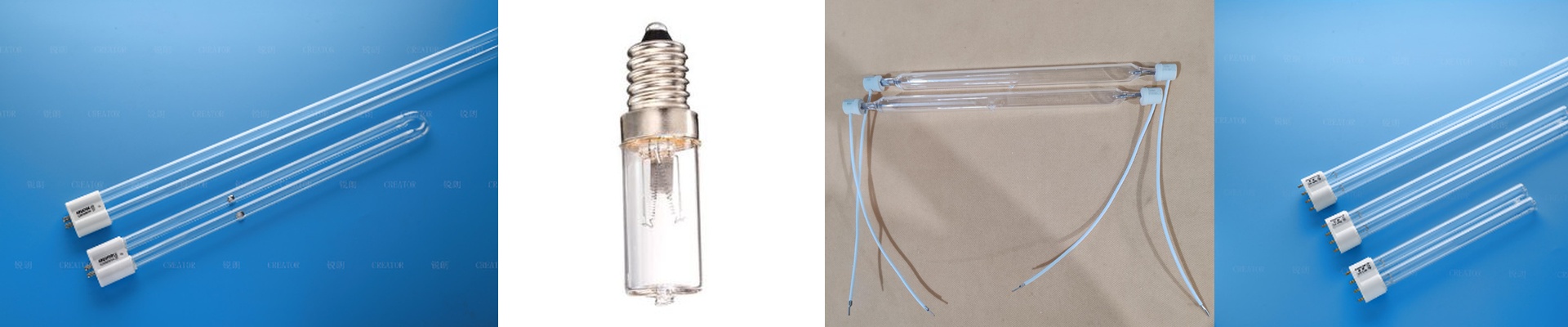
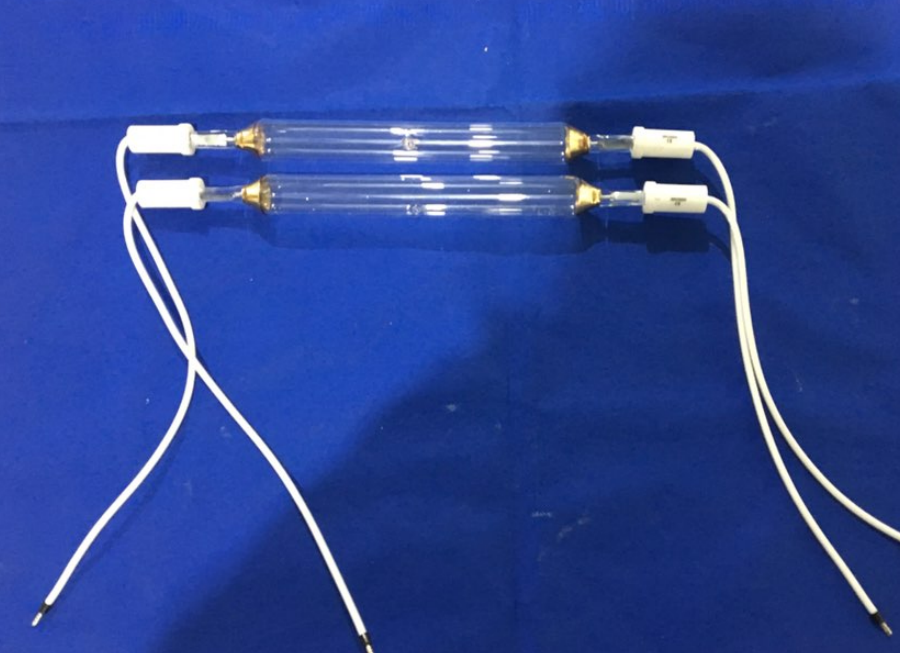
In a dental clinic, the sterilization cycle is not up for debate. If the chamber falls short, instruments come out contaminated—and that puts patient safety and compliance on the line. More often than not, the weak link is the UV lamp: output fades, spectral purity goes, and the cycle stops hitting the required log reduction. We built a custom UV lamp specifically for dental sterilization cabinets to take that risk off the table. What matters, technically It’s a low-pressure mercury vapor source tuned to the 253.7nm germicidal peak, and it delivers at least 60 mW/cm² irradiance at a 10mm working distance. A quartz sleeve with a dichroic coating cuts the 185nm line that makes ozone, so the chamber stays ozone-free. The system holds UVC output steady for 9,000 hours, with degradation under 8%. A high-purity aluminum reflector boosts dwell time, so a standard 3-minute cycle hits ≥40 mJ/cm² dose. Here’s why this configuration works in dental boxes. The arc length is compact and the spectral output is tight, so you’re not just hitting line-of-sight surfaces—shadowed crevices on instruments still get enough fluence. The payoff is a repeatable, validated disinfection process that protects staff and patients from cross-infection, without leaning on chemical soaks or long heat cycles. A few shop-floor realities. Mounting alignment is critical. A 2° misalignment can knock irradiance down by 15% because the beam profile is narrow. The lamp needs its specific ballast profile—swap in a generic power supply and you shorten lifespan while output drifts. Always check chamber reflectivity, and use UVC radiometry to validate the cycle. Timer settings alone won’t tell the whole story.