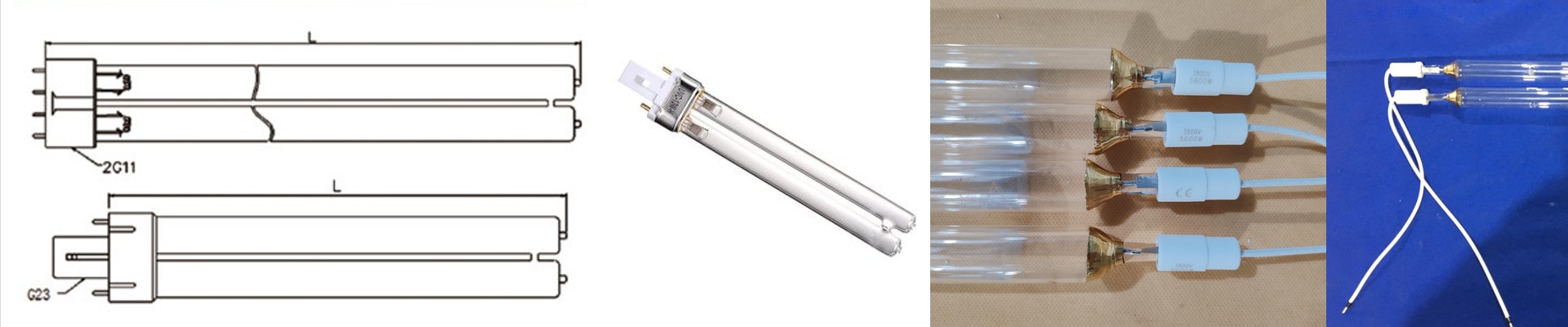
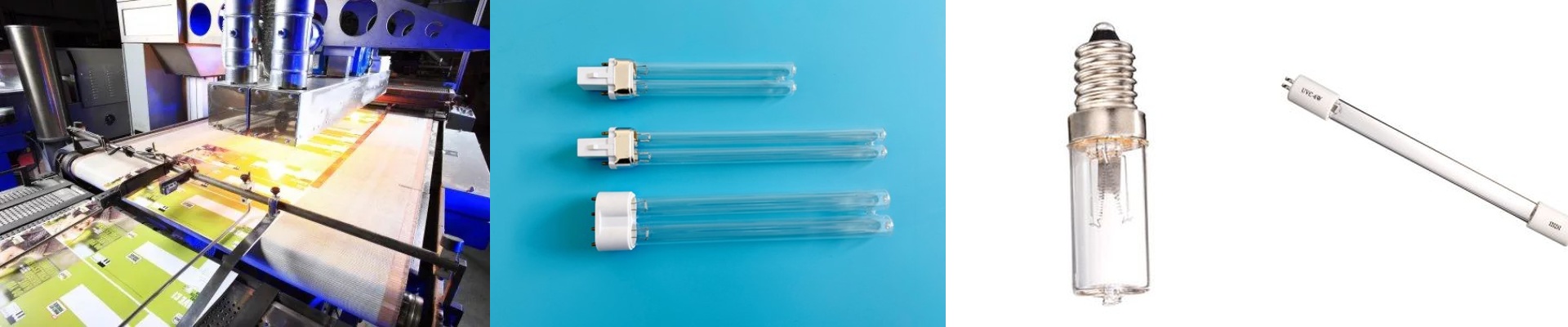
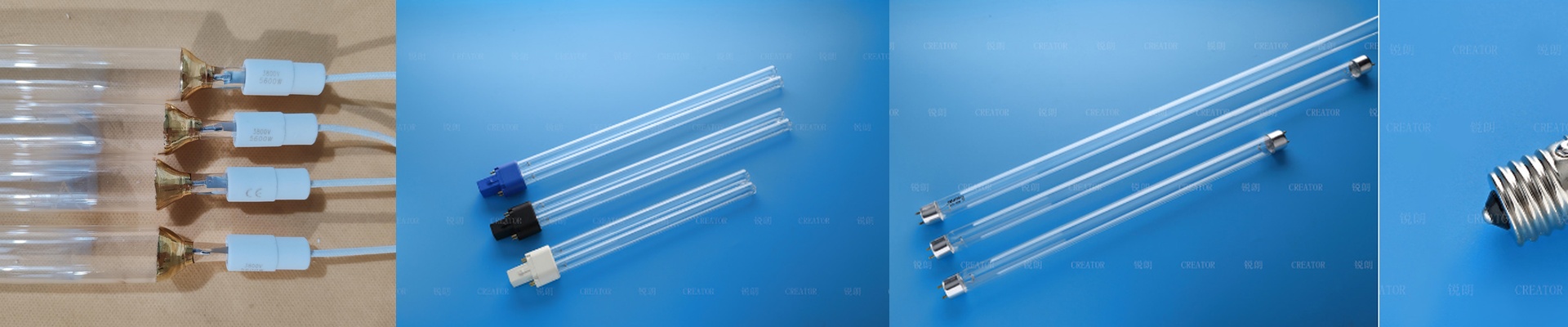
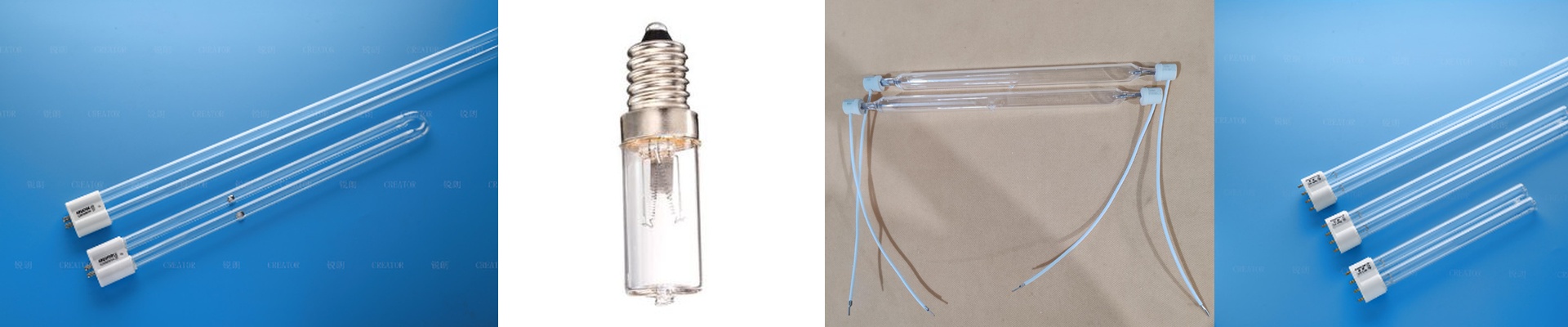
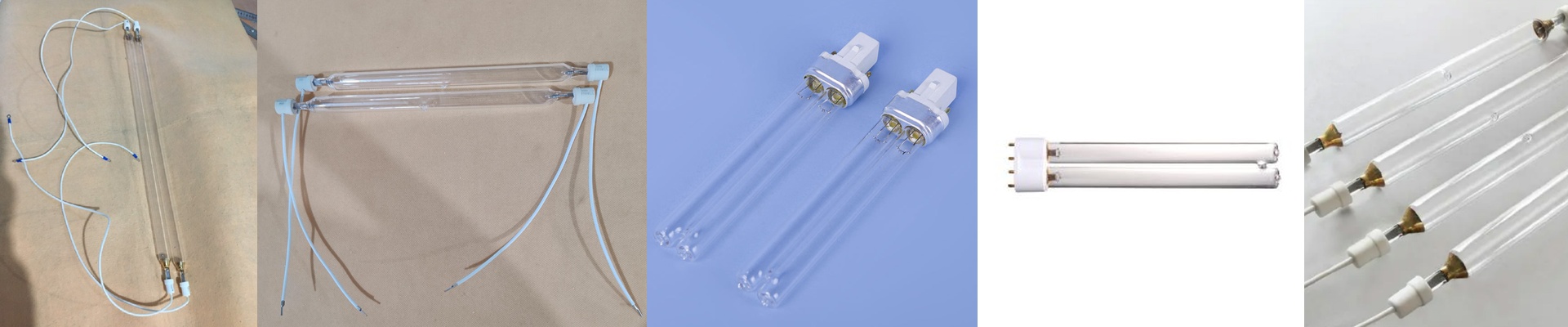
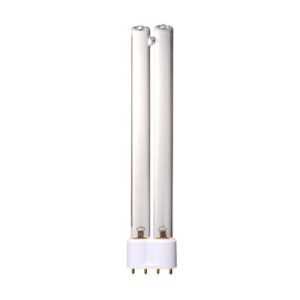
On the floor, voltage sags and surges aren’t theory—they stop the line. In mobile screen printing, a shaky UV lamp gives you inconsistent cross-linking, adhesion failure on the touch module, and scrap that hits the bottom line. We built our UV curing lamp for mobile screen work to hold spectral output steady, even when the grid won’t. What matters, technically Mobile screen inks need clean photoinitiator activation, mostly at 365nm and 385nm. We keep peak irradiance within ±3% across the lamp arc, and dose repeatability within ±5% from start-up to end-of-life. The circuit compensation watches line fluctuations in real time and adjusts ballast output to hold lamp current steady, so UVA output doesn’t dip and leave undercured ink. That gives you a predictable curing window: 600–1200 mJ/cm², delivered consistently. Spectral purity is maintained with ozone-free quartz envelopes and dichroic-coated reflectors. Why it holds up in production Mobile screen runs are thin deposits at high speed—often above 600 fpm—on multi-pass lines. If energy density drifts, adhesion and hardness drift right with it. Our compensation keeps the lamp at the set-point even when the electrical environment turns ugly, so cure quality doesn’t swing shift to shift. You get stable adhesion on glass and PET, repeatable pencil hardness, and fewer micro-defects that show up under inspection. Energy use stays flat, and lamp life stretches because current is controlled, not hammered. What you need to plan for The compensation adds a small cabinet footprint, and it needs proper grounding plus input wiring sized for your worst-case sag. Match the lamp to your printer’s reflector geometry and shutter interface—mismatched reflectors waste energy and cook hot spots. Keep airflow and temperature under control. Overheating shortens quartz life and shifts spectral output. Set it up right, and the system survives harsh electrical conditions while keeping the dose you measure on a spectral radiometer on target, shift after shift.