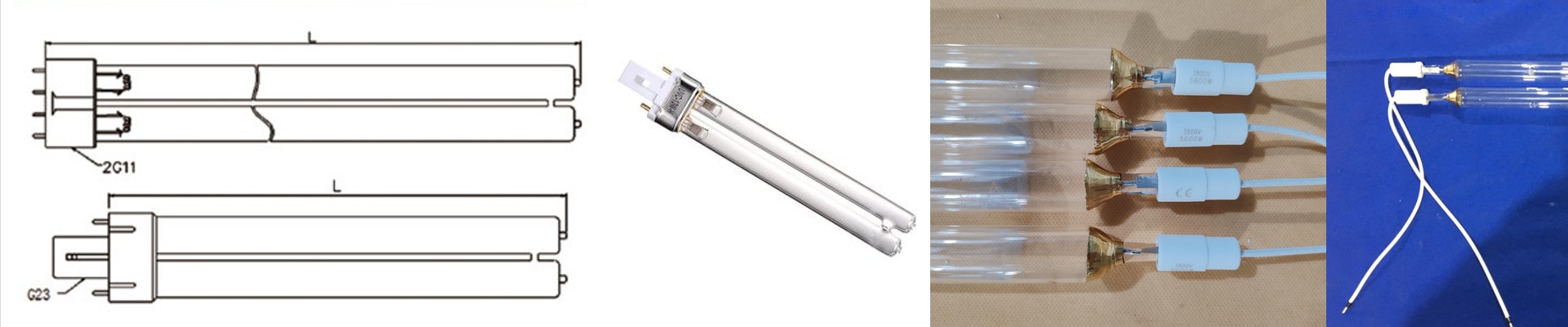
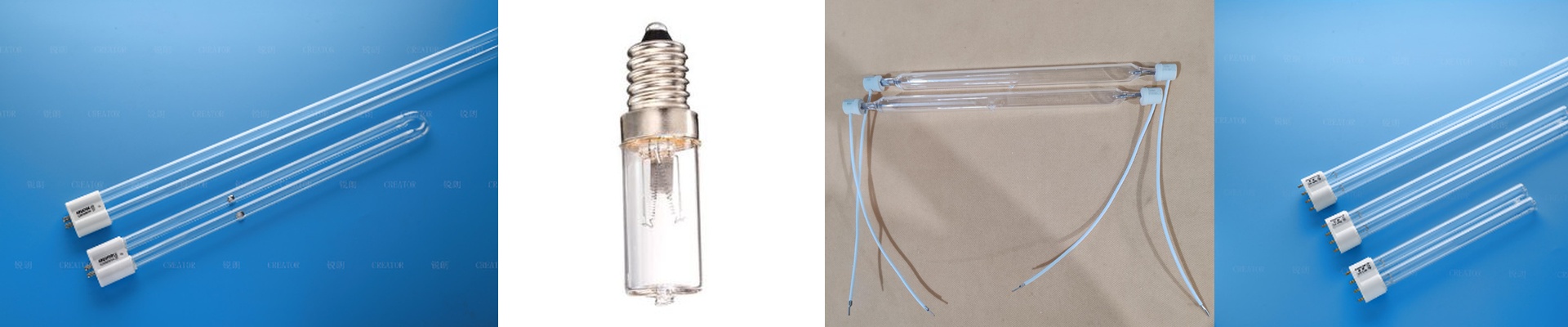
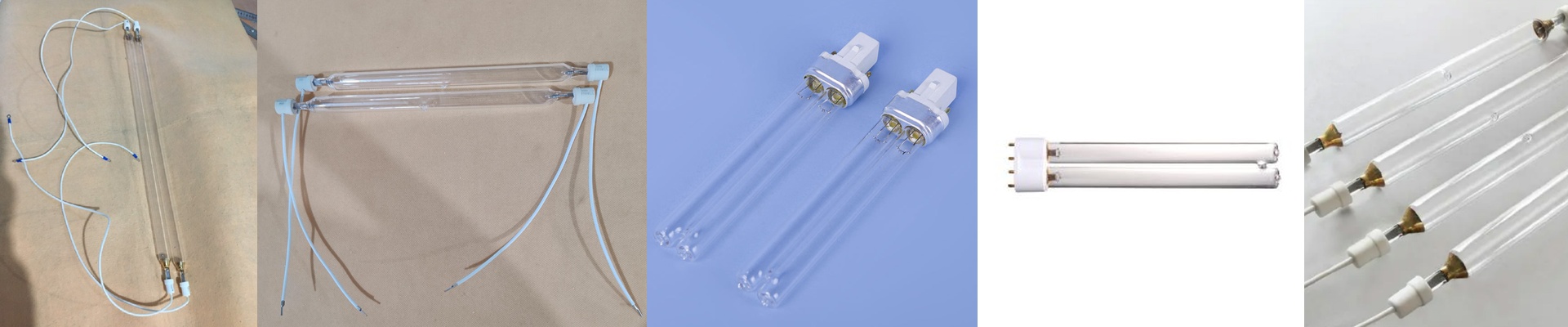
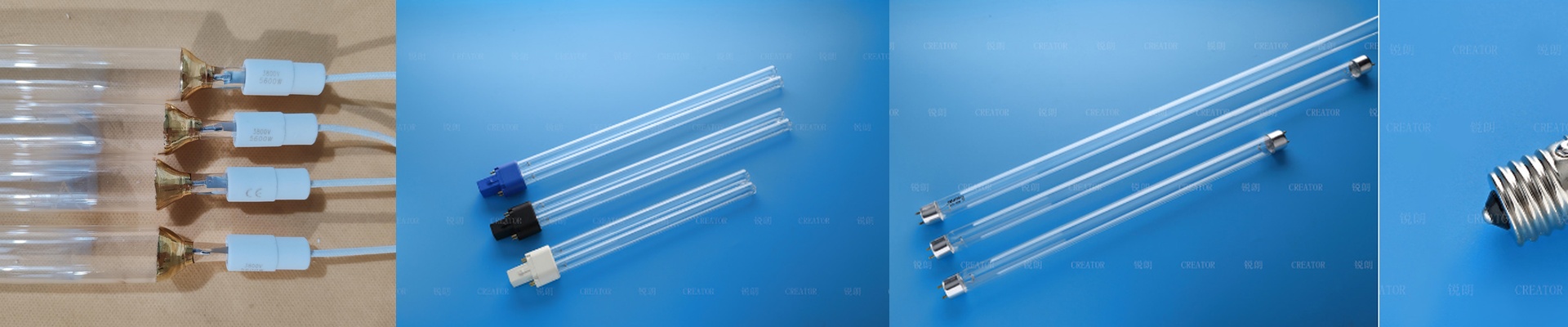
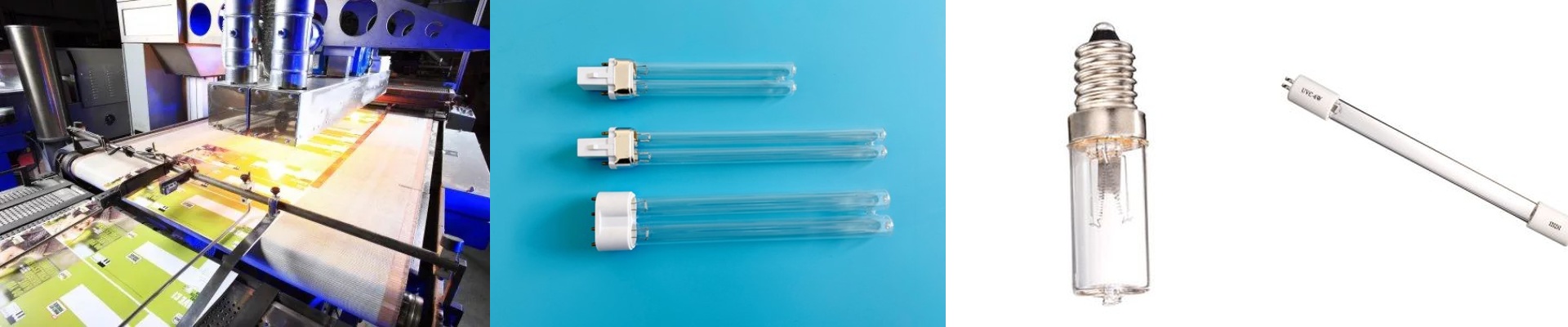
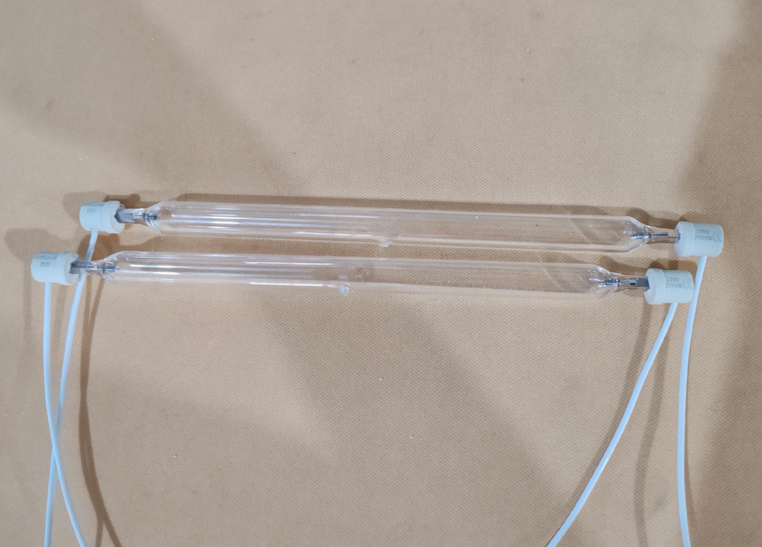
On the plant growth bench, timing and spectrum are the whole ballgame. If your UV source doesn’t line up with the photoinitiator package, you get incomplete excitation, wasted cycles, and results that drift all over the place. We set our UV lamps up to deliver repeatable, measured energy right into the reaction zone—so the photoinitiator fires off cleanly, and the matrix cross-links the way it’s supposed to. What actually matters, technically UV curing in plant-growth work comes down to spectral output, peak irradiance, and the energy density you actually deliver. Our lamps are built around high-pressure mercury vapor technology, and we keep tight control on the wavelengths that drive photoinitiator activation. The reflector geometry and dichroic coating shape the beam, pushing more photon flux onto the target and keeping wasted heat off the parts that don’t need it. Output stays stable through the lamp life, with degradation that’s predictable—so you can schedule maintenance based on measured performance, not crossed fingers. Why this works in controlled cultivation In controlled cultivation, the cure has to finish inside the process window without temperature overshoot that stresses sensitive materials. We tune the lamp’s spectral distribution to match the photoinitiator absorption profile, so you get rapid cross-linking with predictable depth. That shows up as tighter tolerances, fewer rejects, and lower energy per unit. You get consistent cure profiles run after run—which matters when your day is measured in cycles per hour. Here are the practical details you can’t skip Installation means matching the lamp to the fixture: arc length, voltage, and connector interface. A mismatch drops photon flux and cuts service life. Check compatibility with your ballast and reflector assembly, and confirm the operating distance needed to hit the target energy density. Output will drift over time—plan recalibration intervals using your radiometer readings so the process stays in spec.