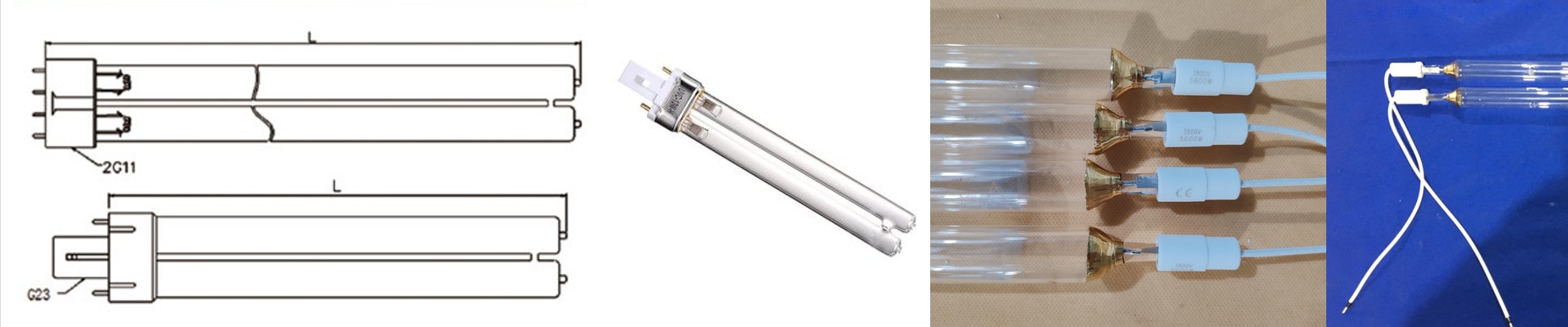
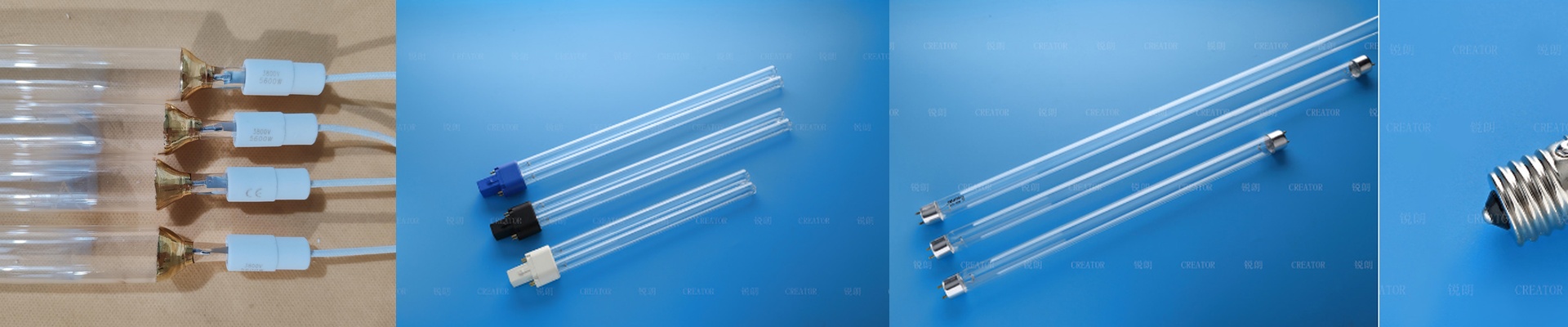
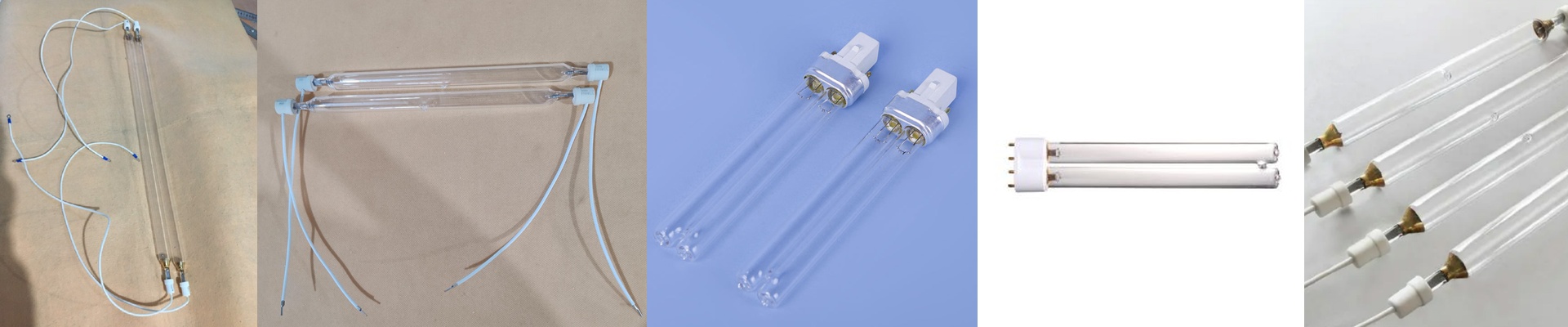
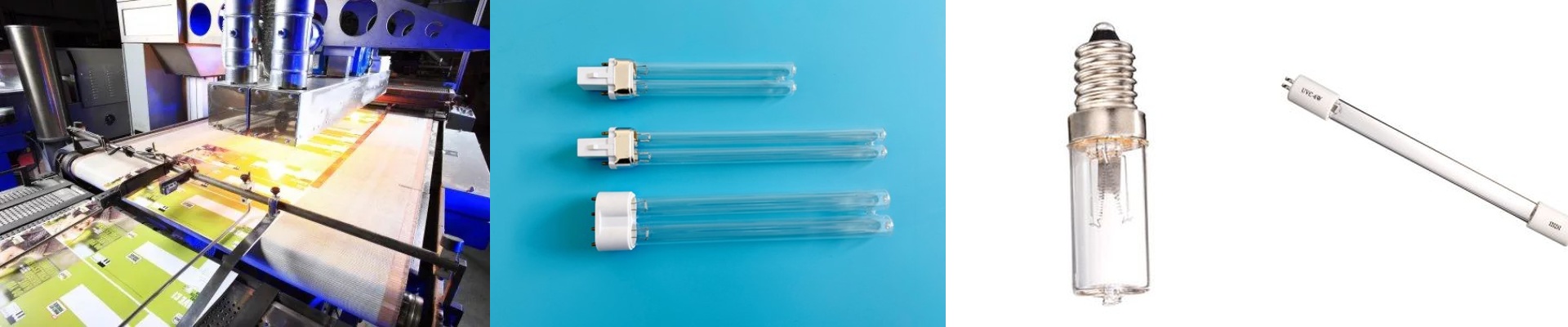
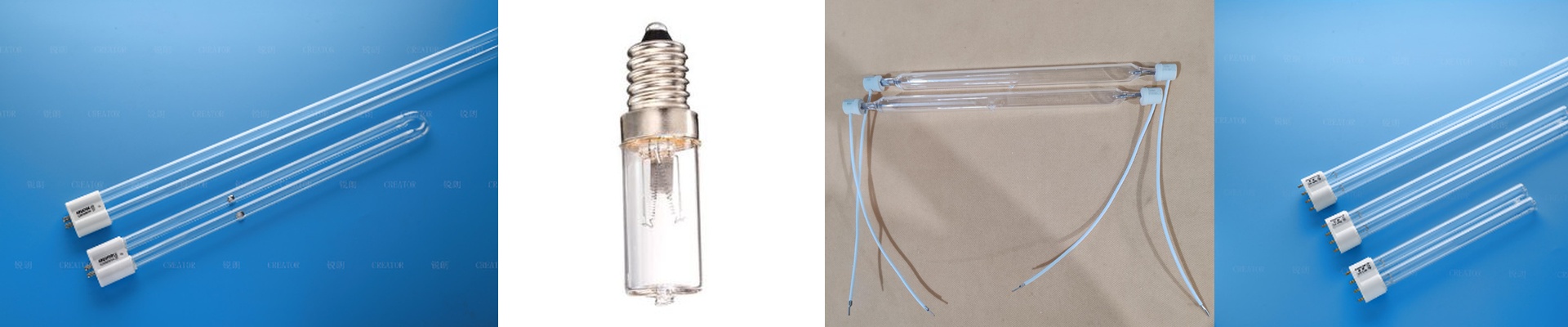
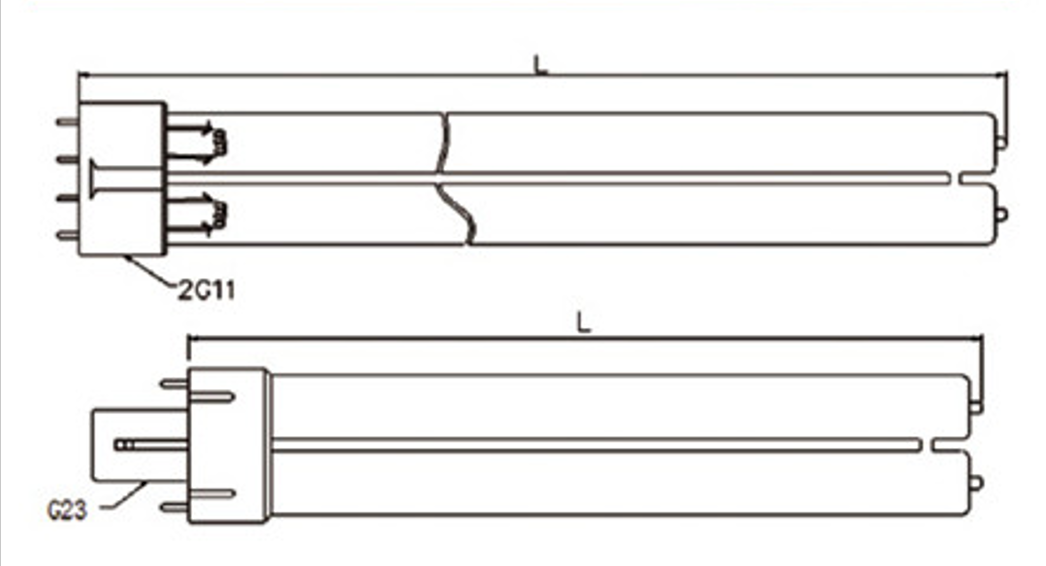
In a small-to-medium shop, profit or scrap often comes down to the lamp. When the curing profile drifts, you get pinholes, adhesion failure, and colors that shift after stacking. We built this wide-format UV curing lamp to make high-performance curing practical—without forcing you to choose between reliability and cost. What matters under the hood The core is a high-pressure mercury vapor lamp, engineered for stable spectral output. It has a dominant peak at 365 nm and strong output across the broad UVA band that most inks and coatings rely on to kick off photoinitiators. Peak irradiance is tuned to deliver enough photon flux at the substrate plane, so the reaction finishes before the web moves on. The system holds intensity steady over time—expect less than 5% output drop after 5,000+ hours under controlled ignition cycles. Power density is matched to wide-format duty cycles: fast start, stable arc, and repeatable curing speed without overdriving the quartz envelope. The reflector uses a dichroic coating to shape the energy into a uniform profile, so you don’t fight edge-to-center variation that causes uneven cure. Why this plays in real shops If you’re running custom work on vinyl, rigid board, or coated media, the lamp has to deliver the same result job after job. A stable 365 nm peak and controlled spectral energy translate into consistent cross-linking, better surface cure, and fewer after-cure headaches like blocking and odor. You get faster throughput because the lamp hits stable output quickly, and you cut downtime because the ignition circuitry and lamp geometry are built for the on/off rhythm of short runs. Energy use stays predictable, and consumable changes come less often—fewer interruptions, lower operating cost per print. The details that keep it honest Matching the lamp to your printer isn’t optional. Confirm effective curing width, lamp arc length, and mounting clearances before install. The reflector profile and dichroic filter selection have to line up with the substrate path and distance; otherwise, intensity uniformity drifts across the print width. The lamp also puts out serious heat—plan ventilation and heat management so the substrate and electronics stay protected. We include a compatibility matrix and a straightforward intensity mapping procedure to set the right lamp-to-substrate gap and speed curve for your ink chemistry.