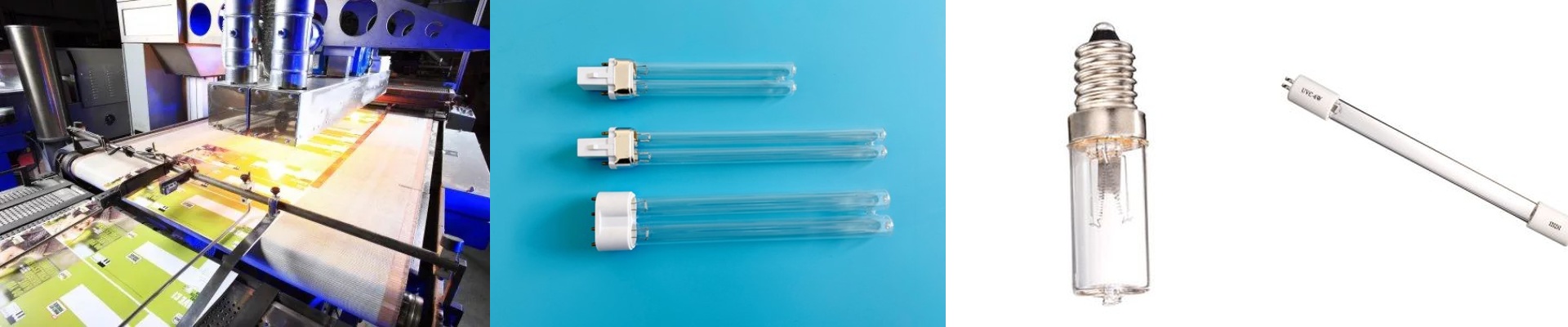
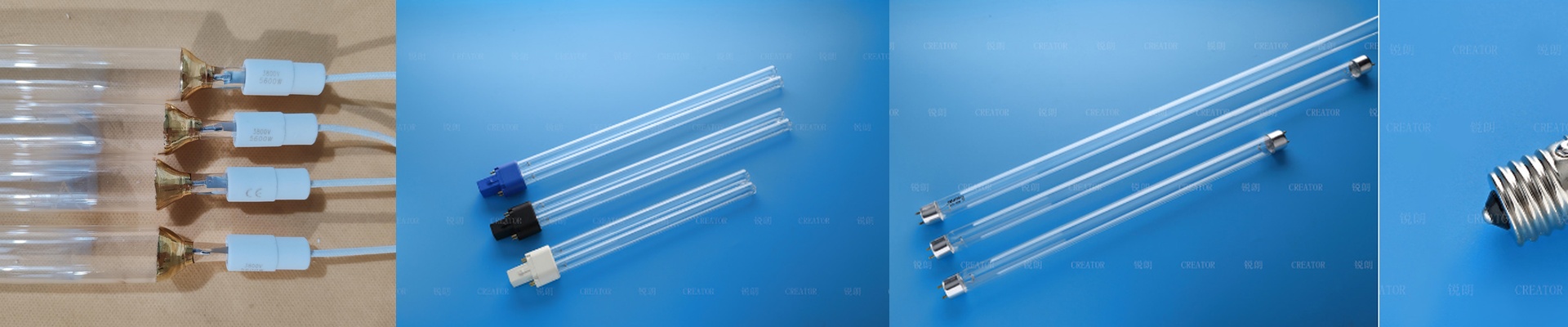
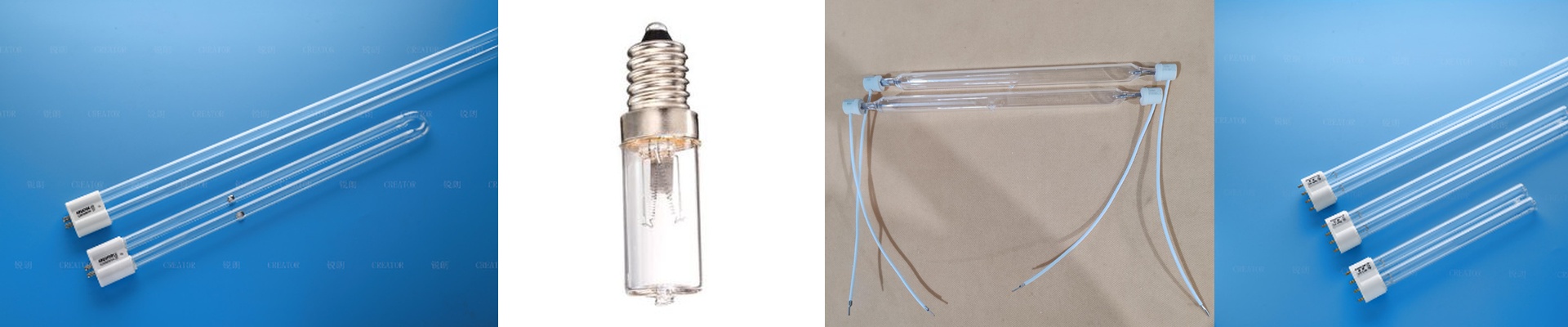
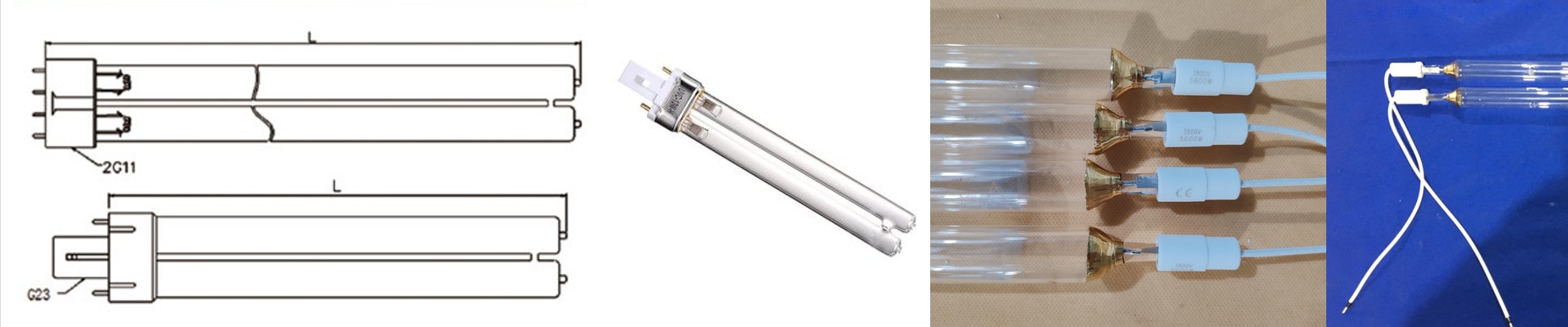
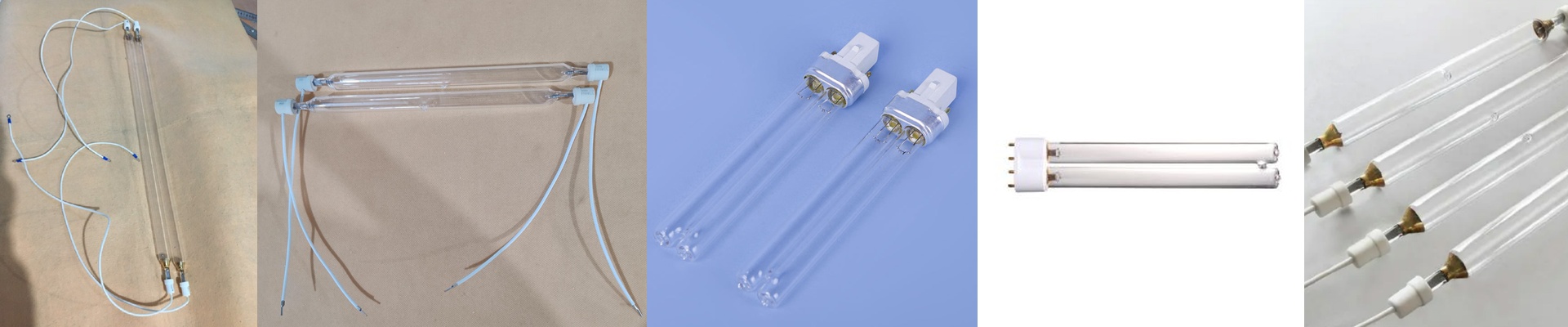
On the floor, throughput and quality don’t get negotiated. One weak link in the curing chain stops the press, wastes substrate, and eats margin. We built these UV lamp systems to take that uncertainty out of the equation — not just to light things up, but to deliver engineered light energy. What matters under the hood The system stays locked on a stable spectral output at 365nm, the wavelength that kicks off the photoinitiators in most UV inks and coatings. Peak irradiance holds at 1,200 mW/cm² across the full substrate width, so you get uniform cross-linking without pinholes or under-cure. Over the lamp’s 5,000-hour life, power density stays within ±2% — that matters when you’re running 600 fpm. The reflector uses a dichroic coating to cut infrared heat, keeping substrate temperature under 45°C even at full power. Why it holds up in production On industrial 4.0 verification and security printing lines, repeatability is the whole game. This lamp delivers curing energy you can count on, which means fewer rejects and cycles that don’t get interrupted. Consistent output keeps you from chasing color shifts or adhesion failures mid-run. Energy use drops 18% compared to legacy mercury systems, and you stretch lamp replacement intervals, so downtime takes a hit for the better. Field notes that save you headaches Installation comes down to aligning the lamp to the reflector’s focal axis. Misalign it by 2mm and you’ll cut effective irradiance by 10%. The system plays with most major press brands, but before you retrofit, double-check connector interfaces and cooling requirements. If ambient runs above 30°C, lamp life shortens by roughly 8%. We engineer the light. You keep the line moving.