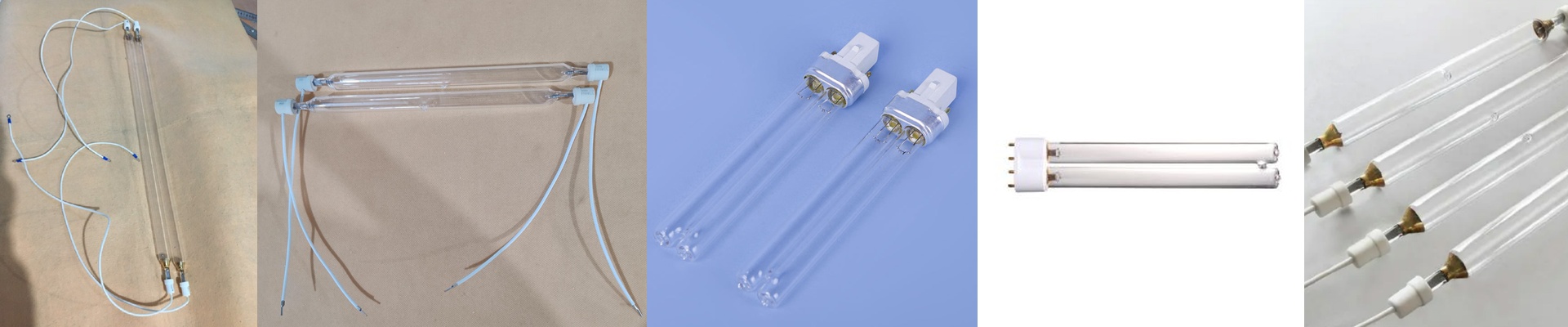
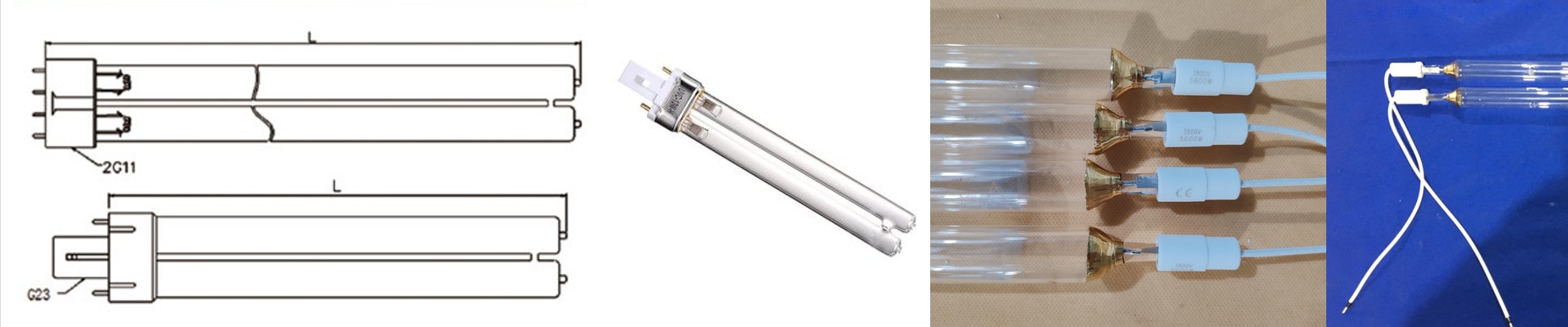
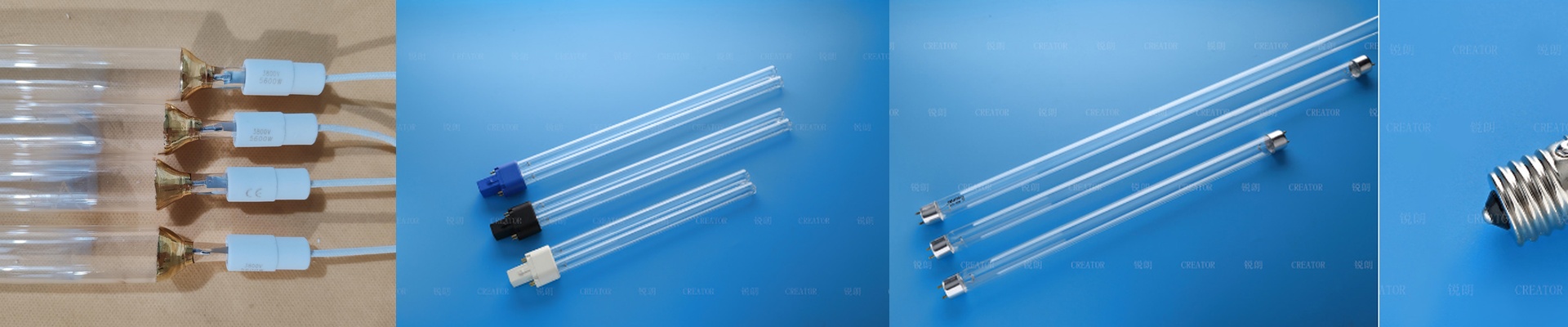
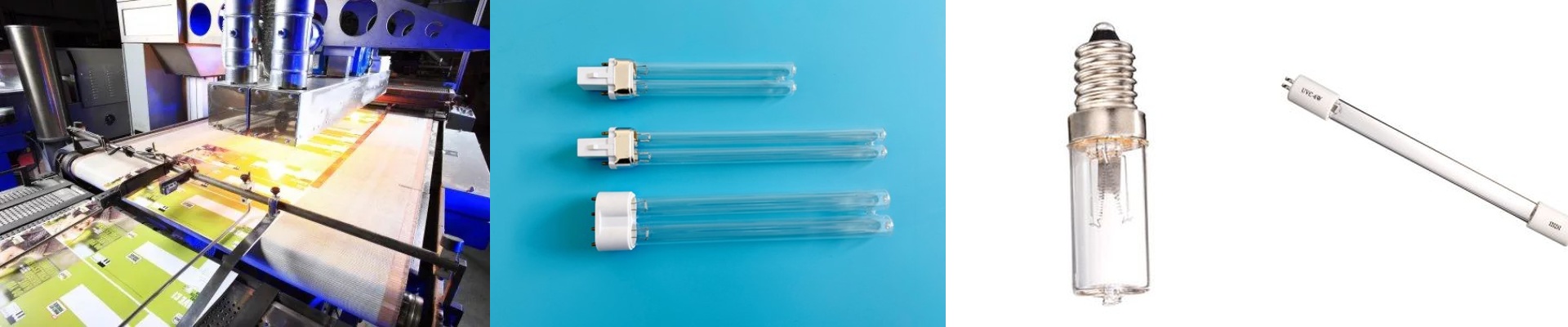
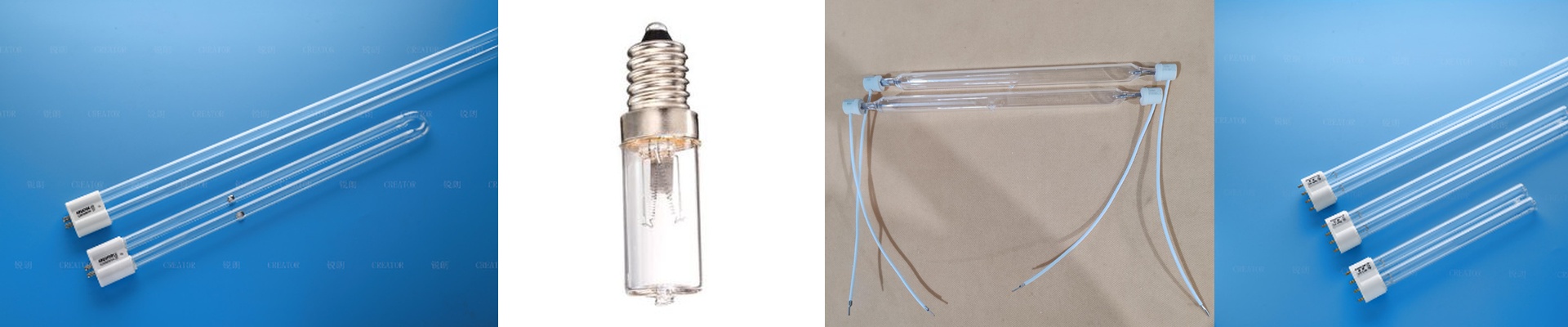
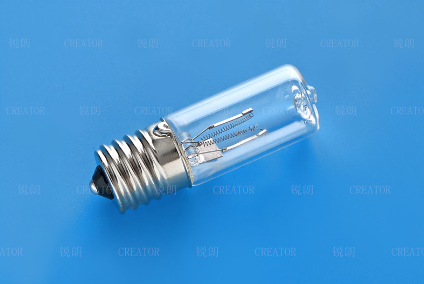
Out on the floor, that older label press is stuck fighting slow cycle times and cure that’s all over the place. When the lamp starts underperforming, output drops—and every lamp replacement brings a little more unplanned downtime with it. We built our custom UV lamps to turn that around, putting the spectral output and energy density back into the press the way it was designed to run. What matters under the hood These retrofit lamps are built around high-pressure mercury vapor technology, delivering stable output at 365nm, 385nm, and 405nm to line up with the photoinitiator absorption in modern UV inks and coatings. Peak irradiance is tuned so you hit the curing energy density you need—often 500–1,000 mJ/cm² at the substrate—without pushing the system too hard. A dichroic-coated reflector boosts forward UV intensity while keeping IR heat in check, so substrate temperature stays under control. We rate lamp life in actual running hours, and these units routinely see 5,000+ hours while staying within a tight output tolerance window. Why it fits the real world of older presses The point is to work with what you already have. It drops into the existing lamp housing and electrical interface, so you don’t have to cut the machine apart. The payoff shows up where it counts: higher press speeds, fewer rejects from incomplete cross-linking, and color density that behaves predictably run after run. Energy draw is dialed in, and the ozone-free design cuts down on ventilation load. You end up with faster changeovers, curing that stays consistent across the sheet, and fewer surprise stops. What you need to line up Retrofitting is straightforward on most label presses, but you still have to match the lamp length, arc distance, and connector type to the specific lamp station. There’s a quick commissioning step to set dwell time and intensity to match the substrate and ink system. And keep in mind—running at max power all the time shortens lamp life. We recommend managing the duty cycle and checking output regularly with a spectral radiometer to keep performance stable over time.