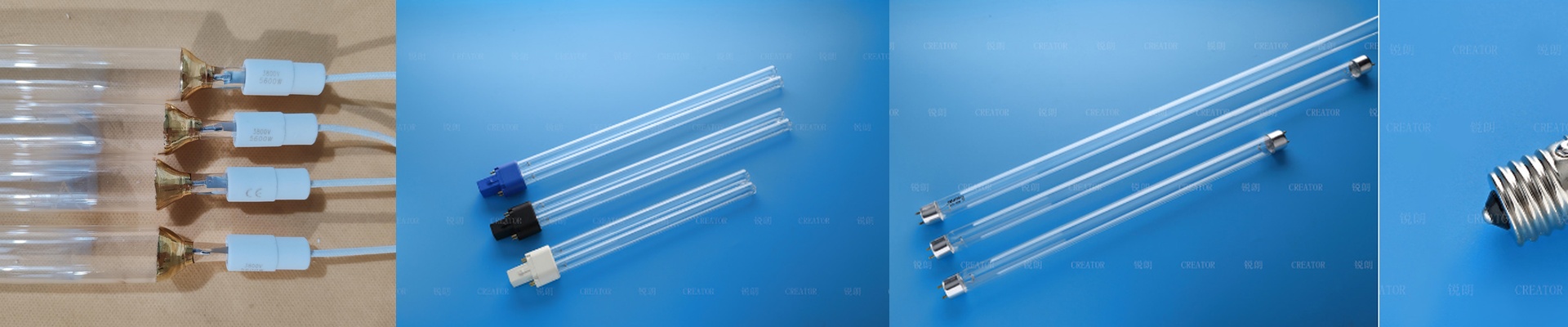
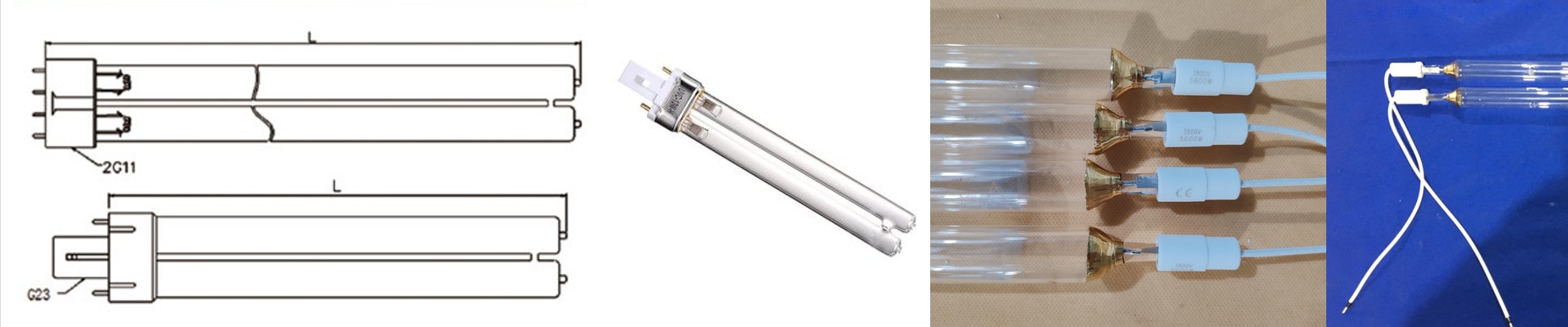
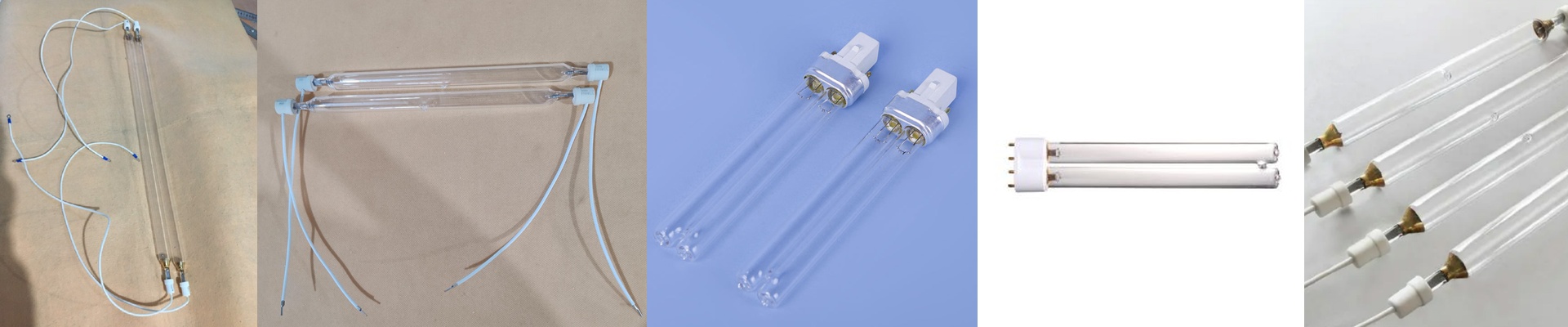
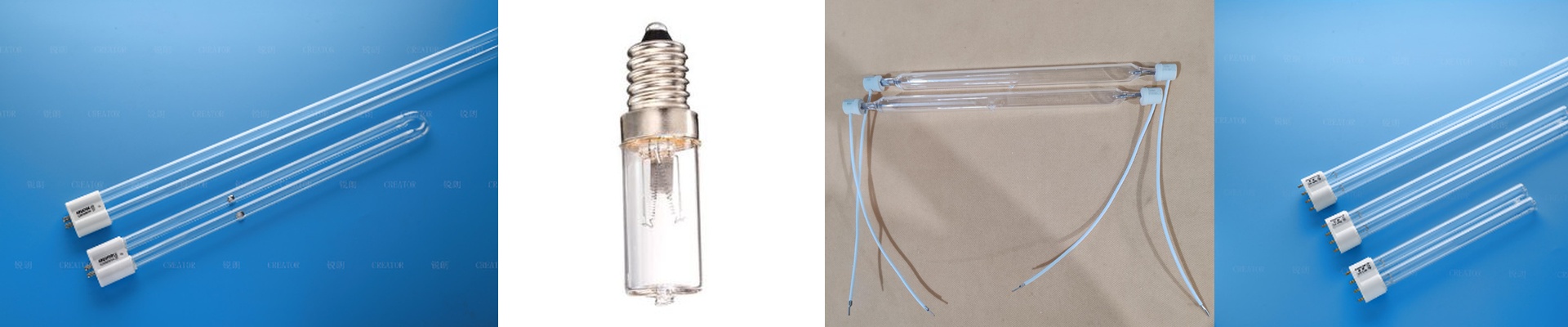
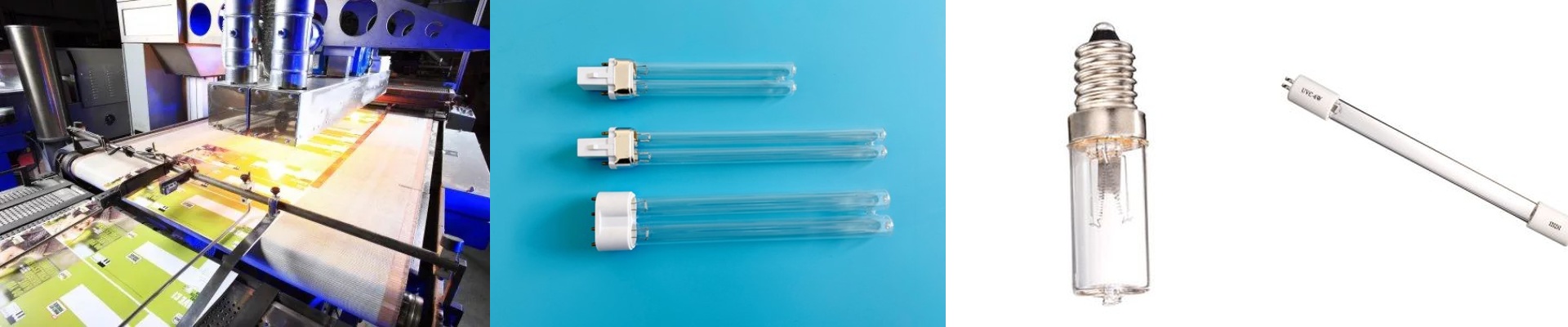
On the press, the stopwatch doesn’t care about excuses. When a UV curing station is firing tens of thousands of flashes per shift, the cathode can’t turn into a thermal bottleneck. Let the electrode overheat and the spectral output drifts, peak irradiance drops off, and your cure window collapses—leaving wet ink, poor adhesion, and a pile of scrap.
What actually matters under the hood
Nordson UV lamp parts are built around a low-thermal-inertia cathode design that keeps the mercury vapor arc stable when you’re cycling on and off at speed. The output leans hard into UVA—centered at 365nm, with usable energy at 385nm and 405nm—so the photoinitiators in offset, flexo, and screen inks cross-link fast and evenly. Peak irradiance stays consistent across the arc length, and power density is tuned to hit the required energy density (mJ/cm²) inside the press’s dwell window. Reflector geometry and dichroic coatings are matched to the lamp envelope to keep spectral efficiency up and wasted IR down. The payoff is cure speed you can count on, with minimal drift after warm-up.
Why this holds up on a flash-cure line
In high-speed flash-cure work, the cathode has to take repeated thermal shock without fatiguing. This anti-fatigue approach cuts thermal lag, so the lamp hits target output faster and holds it through long bursts. That translates straight to more cycles per hour, fewer rejects, and less downtime spent waiting on lamp warm-up. Energy use drops because the lamp isn’t idling at full temperature as much—it spends more time doing the curing work at the right spectral fluence.
What you need to keep straight on the floor
These parts are optimized for specific Nordson UV lamp assemblies and arc lengths; don’t assume cross-platform compatibility. The lamp has to be matched to the reflector, ballast, and shutter timing—mismatched optics and drivers will distort spectral output and chew up cathode life. Follow the manual on ozone management and cooling airflow. If airflow isn’t there, envelope temperature climbs and output decay accelerates.