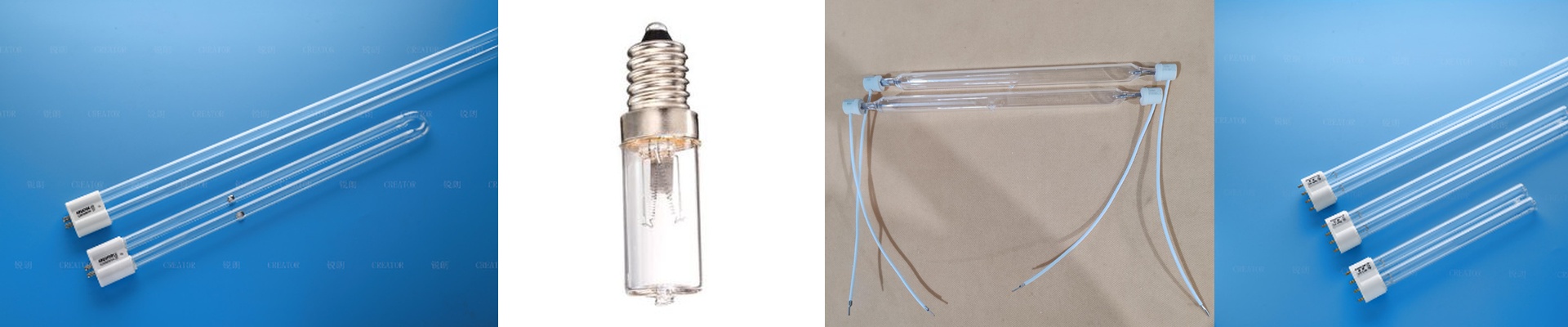
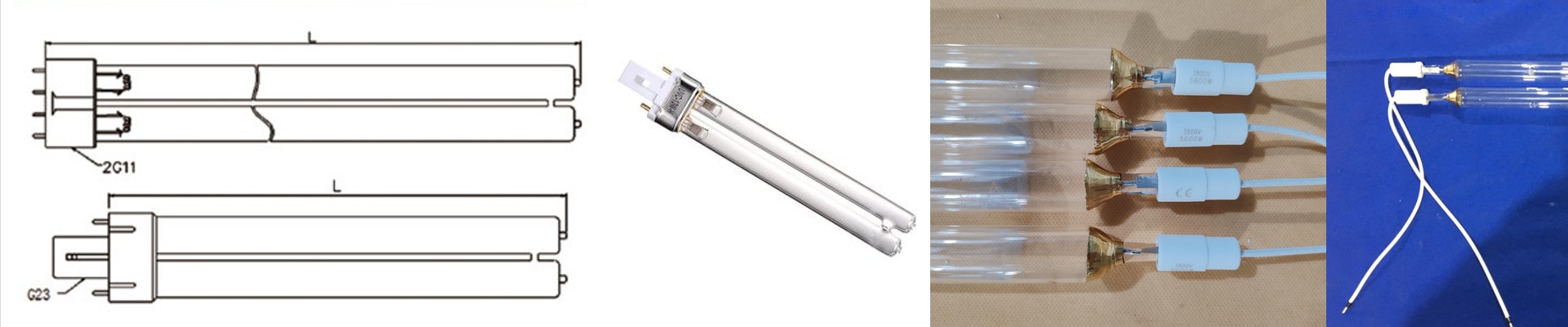
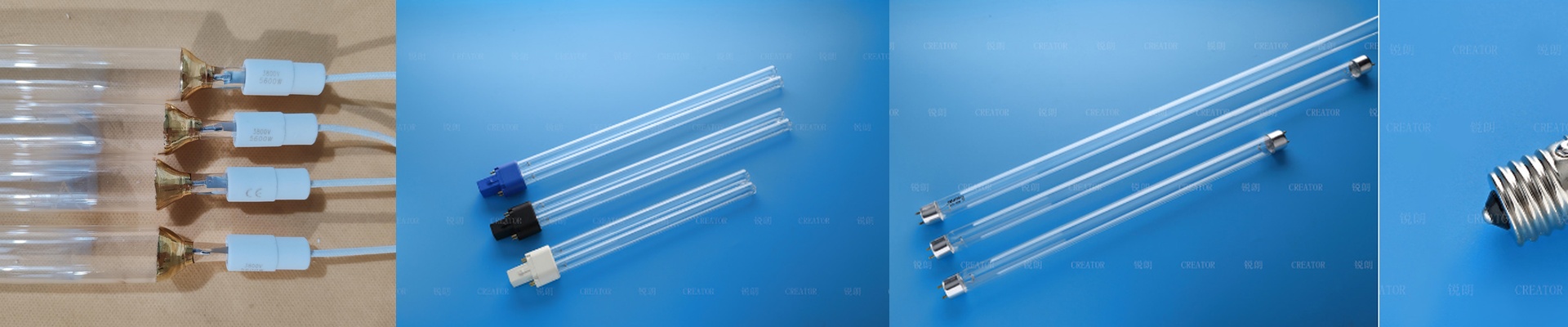
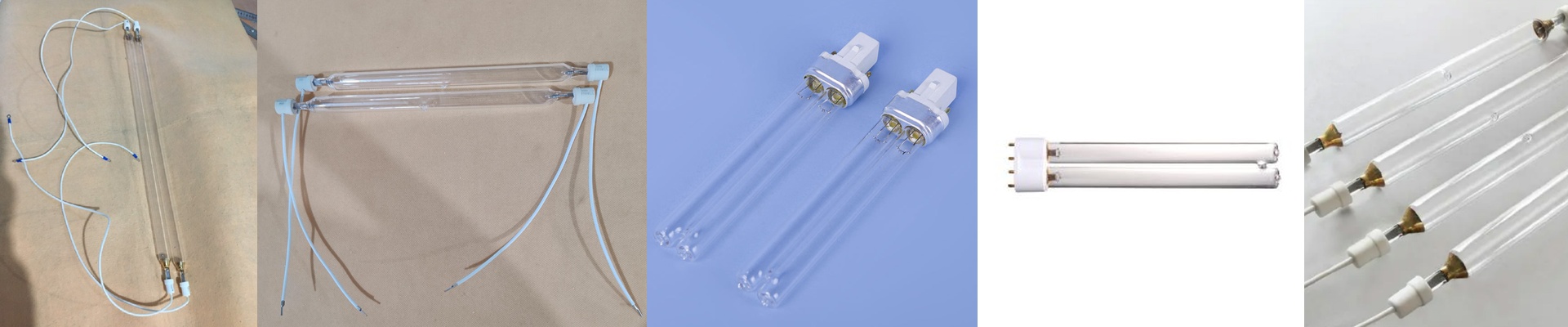
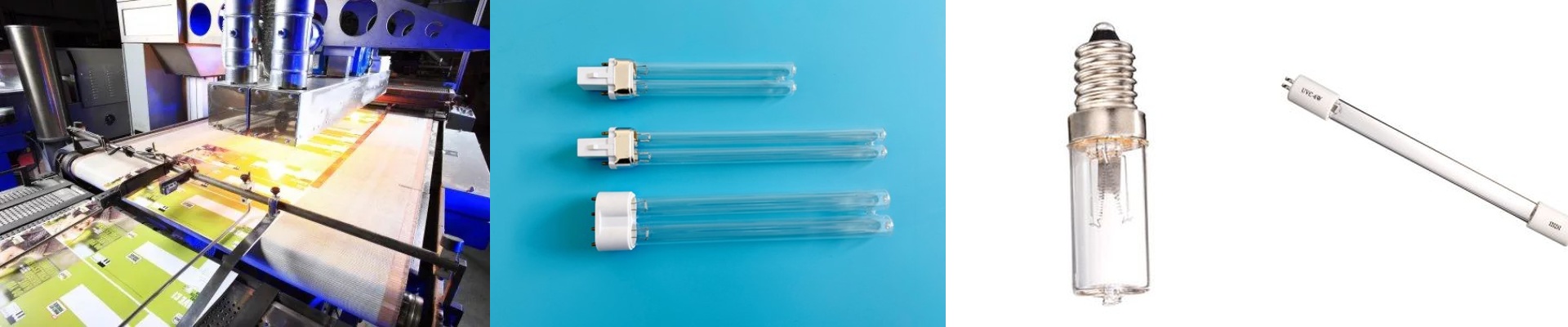
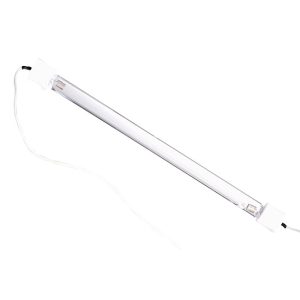
At the 2026 printing show, nobody was asking if UV curing was standard—everyone was trying to figure out how to get reliable cure without blowing the budget on infrastructure. Our custom UV lamp modules hit that note, and the live demos pulled people in. You could see substrates cure instantly when the spectral output was dialed in. What matters under the hood We run compact high-pressure mercury vapor lamps paired with dichroic-coated reflectors, so we can shape the spectral output at 365nm and 395nm—right where most UV ink photoinitiators absorb. Peak irradiance hits 1200 mW/cm² at the arc center, and energy density stays above 800 mJ/cm² across the full print width. Output holds within ±3% for the first 2000 hours, and lamp life is specified at 8000 hours, with a measured end-of-life output floor of 70%. The system is ozone-free, and maintenance stays low because the lamp and reflector assemblies are modular. Why it fits the exhibition pace Show floors demand quick setup and repeatable cure on demand. These modules drop into offset, flexo, and screen lines without tearing up the dryer section, and they switch on and off instantly. You get consistent cross-linking at line speeds up to 200 m/min. We only energize the wavelengths you need, so energy draw drops and the heat load on the substrate eases—less distortion on sensitive films. Operators saw scuffing and adhesion failures fall off quickly, and replacement cycles stretched from months to years on high-volume runs. Here are the details that keep it honest Installation comes down to matching lamp length, arc gap, and reflector geometry to the print width and substrate path. Make sure the power supply is right—these modules are designed for 220V three-phase, and undersized wiring will crush peak irradiance. Check your ink formulation, too. Pigmented systems often need 365nm to drive cure deeper, while clear overprints usually perform best at 395nm. And if you’re running below 15°C without active cooling, expect a 10–15% dip in output. Keep ambient conditions under control and the spectral output stays stable.