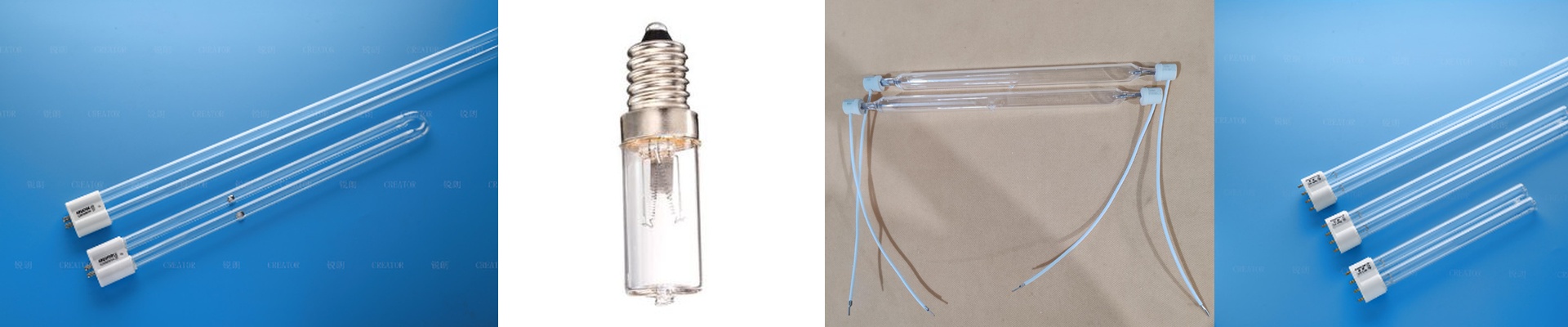
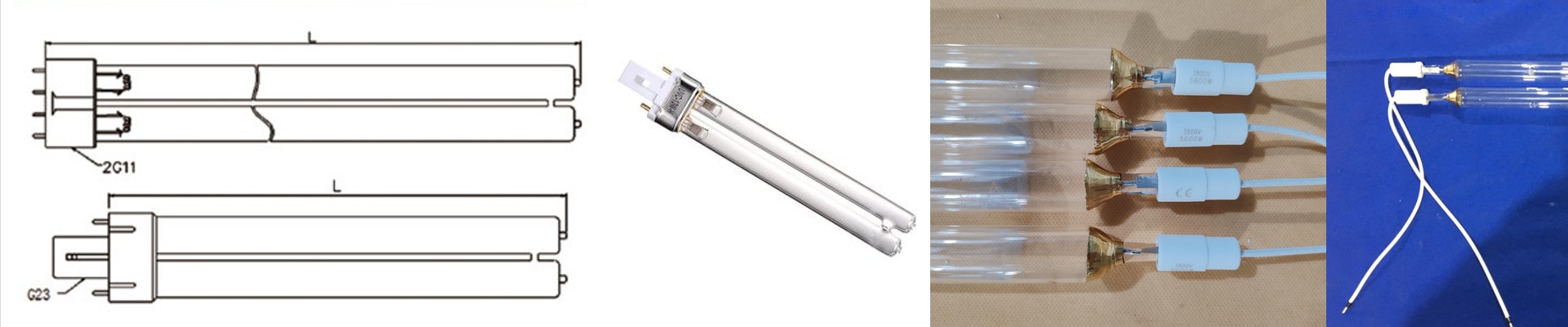
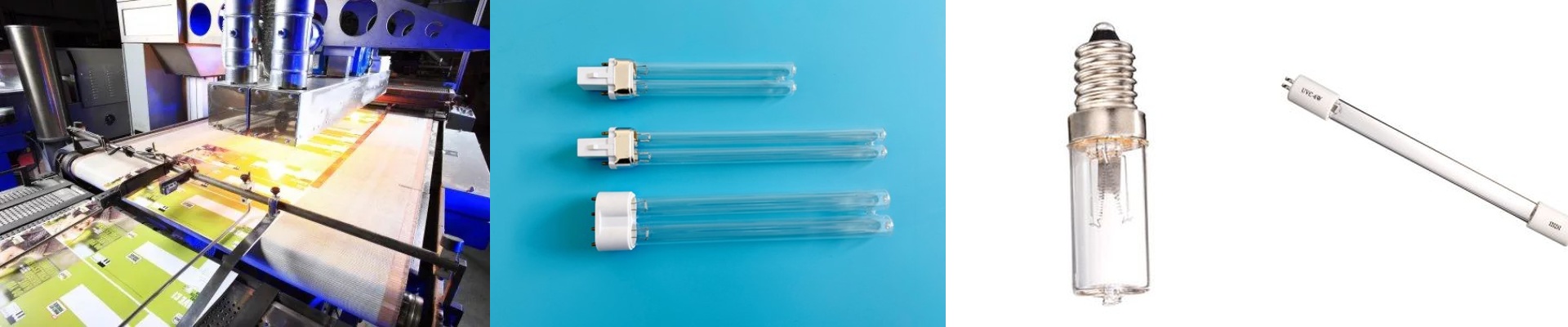
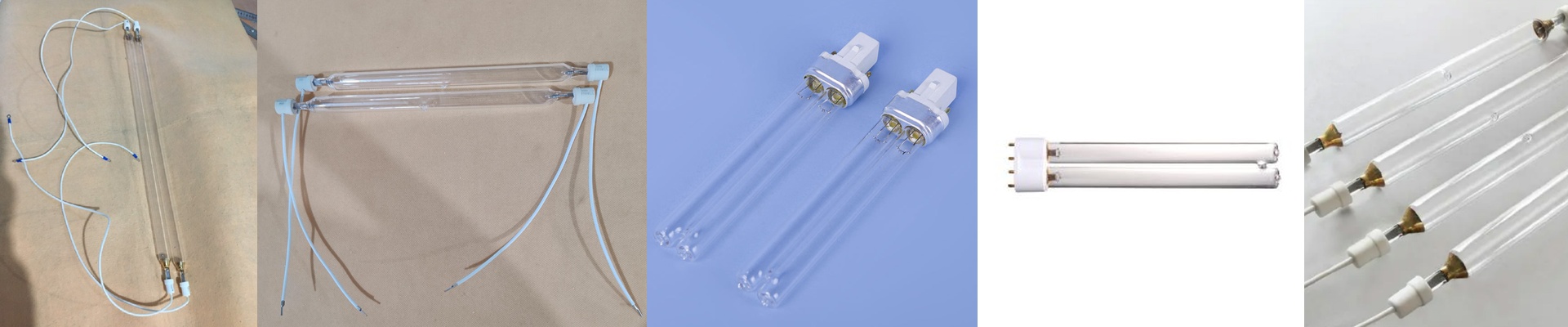
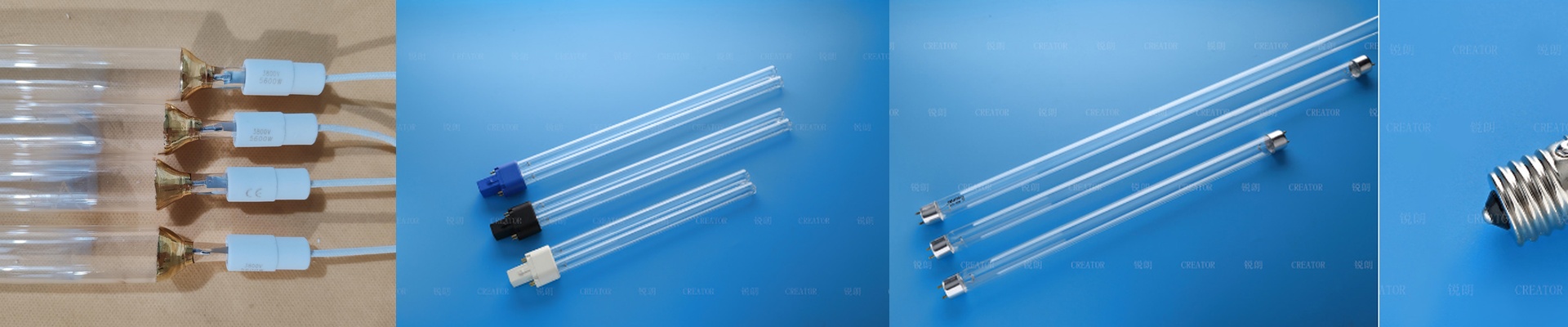
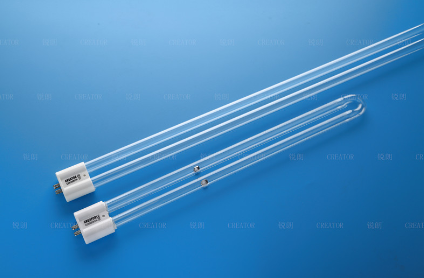
Export-bound printing lines run into a simple reality: non-compliant UV lamps hold up shipments and tack on extra inspection costs. We build our full line of UV germicidal and curing bulbs with CE marking, so you’re aligned with the EU machinery directives. The payoff? Your press clears customs faster, and you skip redundant compliance testing. What matters under the hood These are high-pressure mercury vapor lamps, built for industrial UV curing and germicidal work. The spectral output is centered at 365 nm, with additional UVA lines that drive photoinitiator cross-linking in offset, flexo, and screen inks. Peak irradiance at the substrate is kept steady by a precision dichroic-coated reflector, so you get consistent energy density (mJ/cm²) and a repeatable cure. Rated power and voltage match common press ballasts, and the quartz envelope handles high temperatures while staying ozone-free. Depending on ignition cycles and power density, lamp life targets 1,000–2,000 hours, with output decay held within a narrow band. Why this matters on the export floor On export equipment, the operational win is straightforward: compliance is baked in, not bolted on. You cut customs delays, avoid rework on safety documentation, and shorten the supply chain. On the press, the same lamp stabilizes cure on coated and uncoated stocks, which trims setup time and scrap. Energy draw is matched to the system, so you don’t oversize the lamp and cook the dryer zone. Faster press speeds become repeatable when spectral output and irradiance stay constant across lamp life. Here’s what to watch for Match lamp wattage and arc length to the existing fixture and ballast. Mismatches push premature electrode wear and give you uneven cure. Check reflector alignment and substrate distance so you hit your target mJ/cm². Handle the quartz with clean gloves — fingerprints create hot spots you don’t want. Make sure the fixture’s ignitor supports the required starting voltage, and plan lamp replacement by hours and output checks, not a calendar date.