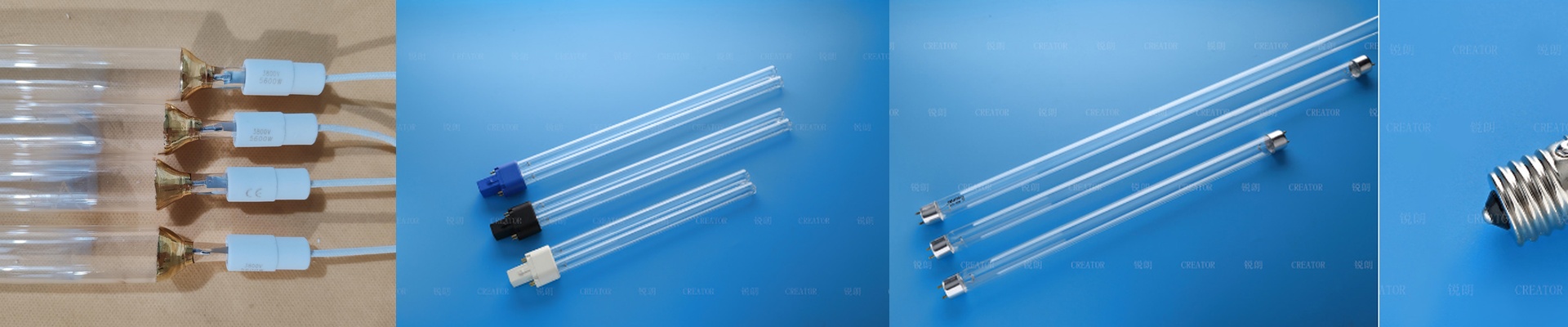
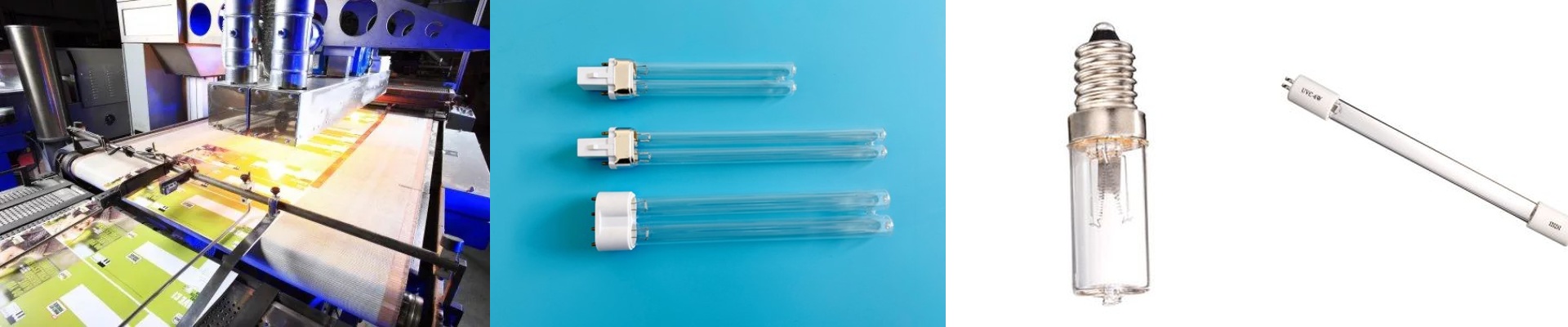
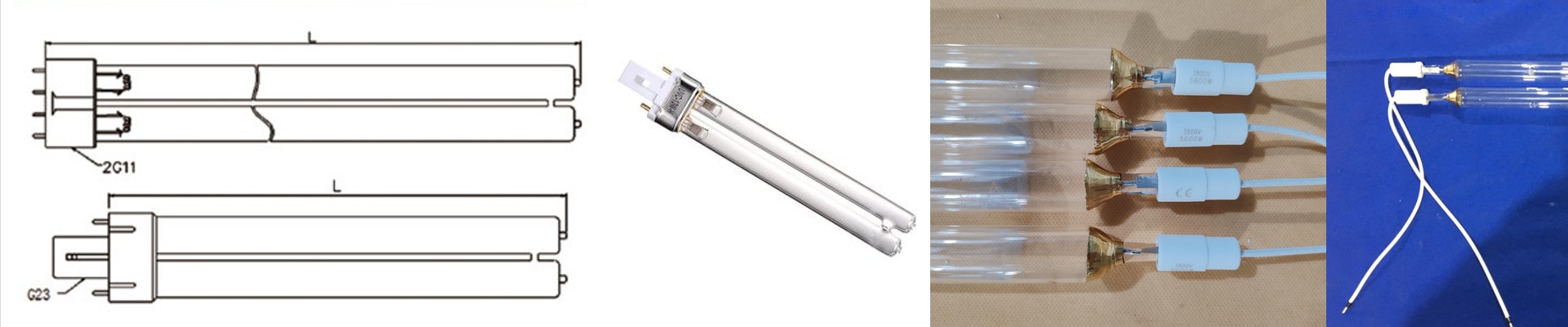
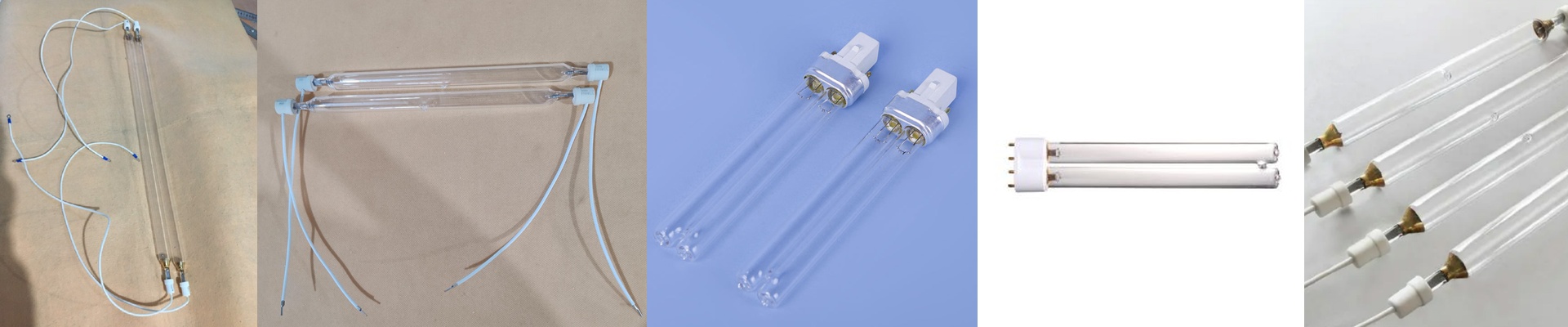
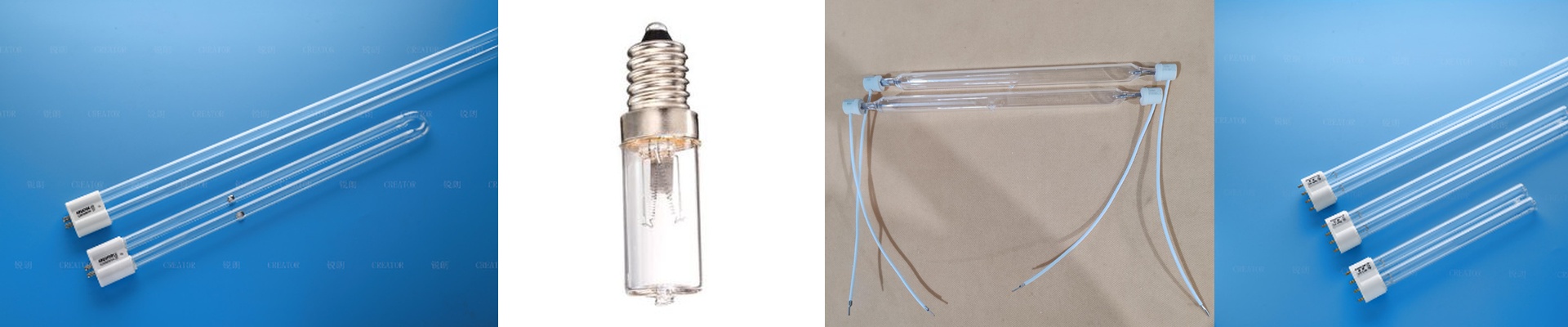
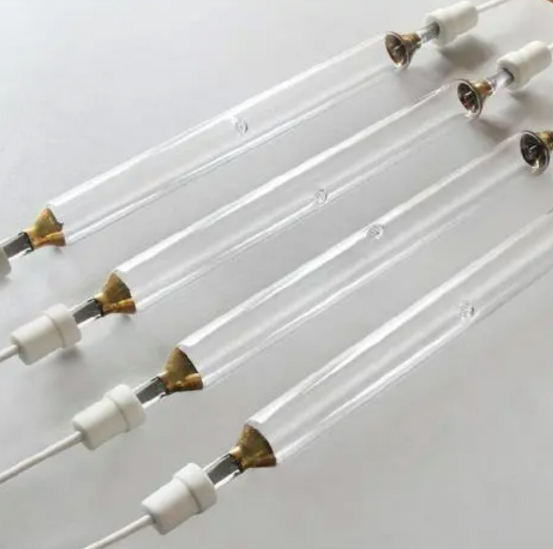
KTK oval lines are built for pace. Micro-stops just don’t fit the workflow, and job changeovers plus registration tweaks force the UV system into fast on/off cycles. Standard mercury lamps don’t hold up under that kind of duty—spectral output drifts, you get under-cured ink, adhesion falls apart, and downtime shows up uninvited. What we built under the hood We start with a high-pressure mercury vapor source, then set the arc geometry and fit a dichroic-coated reflector to keep heat in check while pushing UV output. Peak irradiance at 365 nm stays steady so photoinitiators convert cleanly, and the ignition circuit supports hot restrike without hammering the lamp with over-voltage stress. The quartz envelope and electrode assembly are built to survive thermal cycling, so output doesn’t crater after repeated starts. Why it stays honest on an oval press We tune the lamp to the press’s dwell window, hitting the energy density needed for a fast cure—no wasted time chasing solvent evaporation. The anti-stop design keeps warm-up drift out of the equation, so the first sheet and the ten-thousandth meet the same curing threshold. You get consistent cross-linking on plastics, metal foils, and coated substrates, fewer rejects, and throughput that doesn’t yo-yo. Energy use comes down because the reflector sends output where it matters, not into the frame and the room. The details that make it work Matching the lamp to a KTK oval press means nailing lamp length, arc gap, and the reflector’s focal profile. Inside a tight curing chamber, pay attention to ozone management and cooling airflow—skimp on airflow and lamp life drops fast. Plan the interface early: mounting, electrical connections, and shutter integration have to line up so startup is straightforward and repeatable.