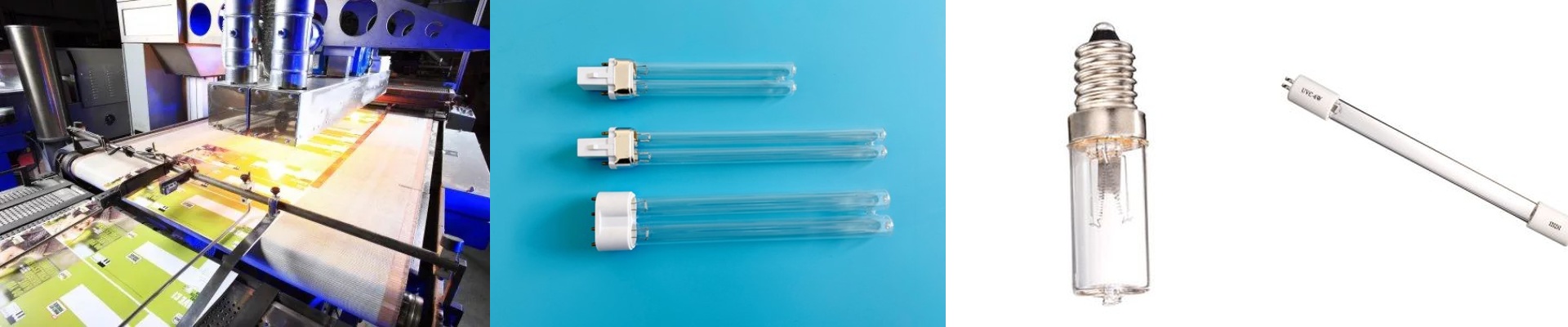
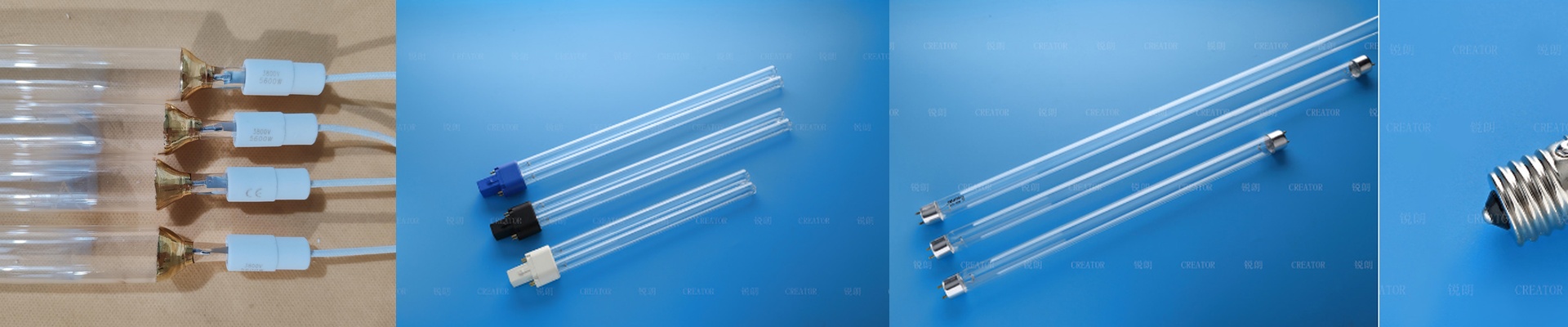
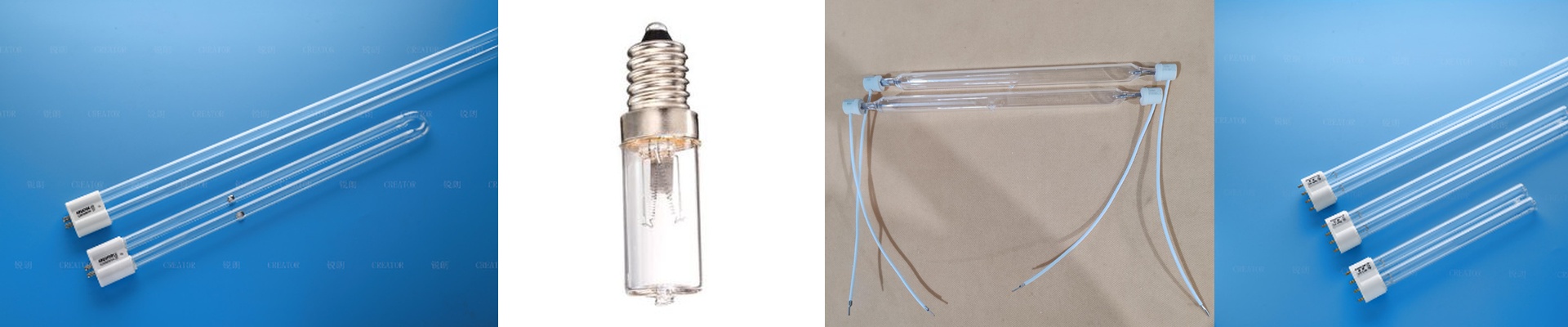
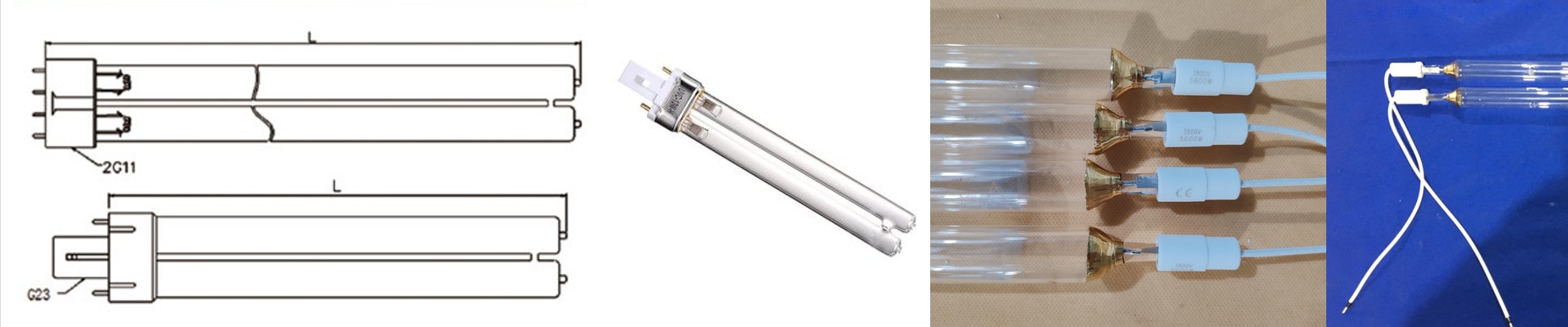
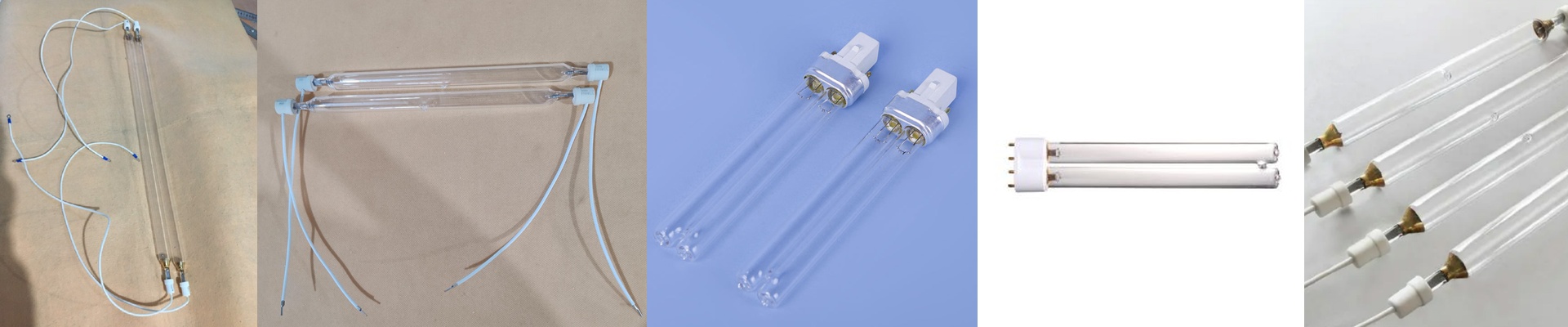
Getting Your Textile Prints to Actually Cure: The Deal with Gallium Iodide Lamps
If you’ve ever dealt with thick ink layers or heavy fabrics, you know the frustration. You run your print under a standard UV lamp, it looks dry on top, but the moment you touch it? Tacky. Or worse, it peels right off the fabric during handling. That’s where Gallium Iodide (GaI) lamps come in. Here is the thing: standard mercury lamps are great for thin coatings, but they struggle with depth. They hit the surface and stop. GaI lamps are different. They shift the light toward the UV-A and visible spectrum, which lets the energy actually sink into the fibers. It means the ink cures from the bottom up, not just the top down. No more smudging. No more “almost dry” prints. The heat factor Now, these aren’t “plug and play” in the sense that you can ignore the hardware. We use high-purity fused quartz because these lamps get hot—really hot. We’ll build them to fit your existing curing tunnels exactly, but you’ve got to keep an eye on your exhaust. If your housing traps that heat, your UV intensity will tank and your electrodes will burn out way faster than they should. Keep the air moving, and the lamps will stay happy. The trade-off (because there’s always one) I want to be honest about the catch. GaI lamps don’t put out as much raw UV power as a mercury arc. If you swap them in, you might notice you can’t run your line quite as fast. To keep your production numbers where they need to be, you have two choices: slow the belt down a bit, or pack more lamps into your tunnel. We can play around with the wattage and the length of the lamps to help you find that sweet spot where you get a perfect cure without killing your throughput.