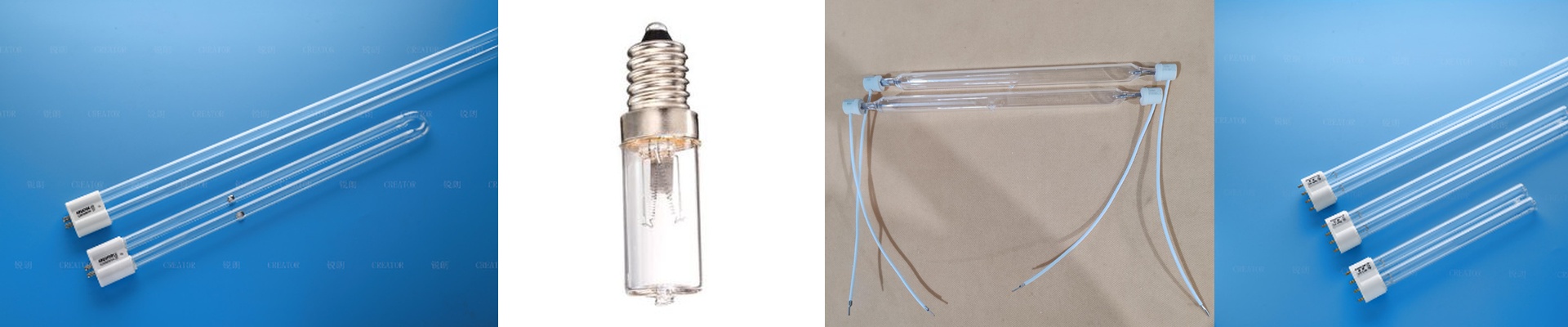
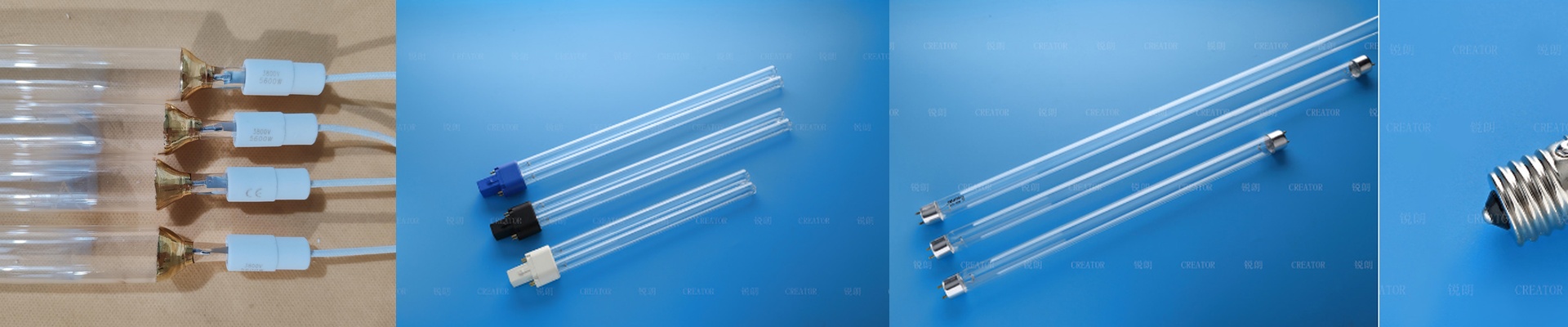
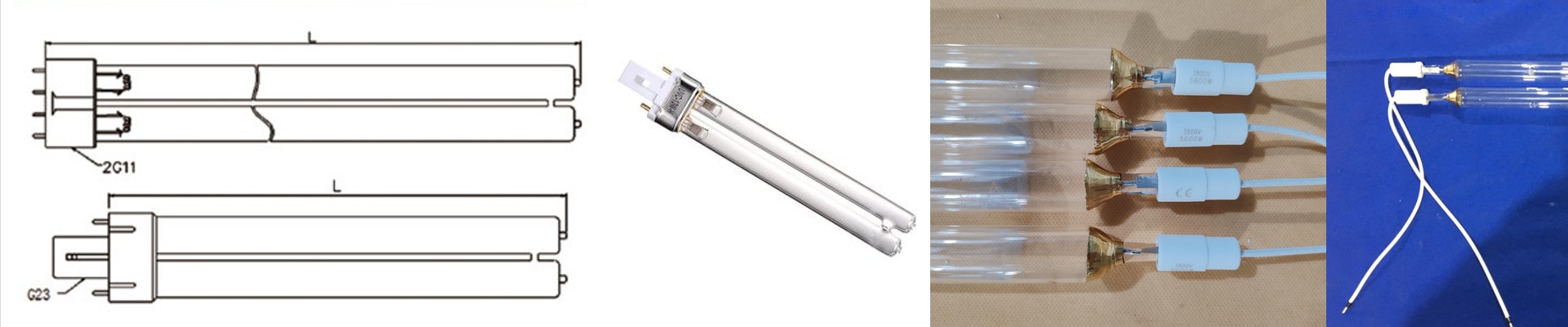
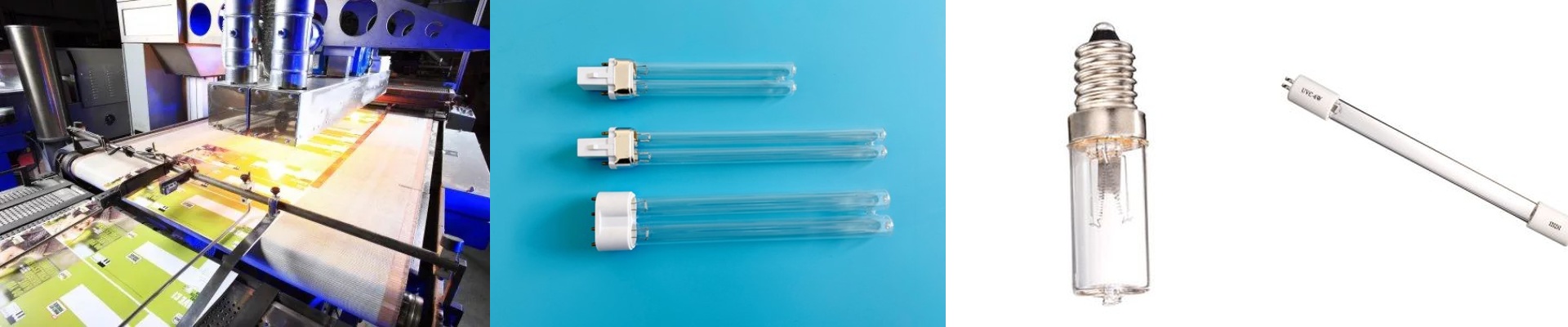
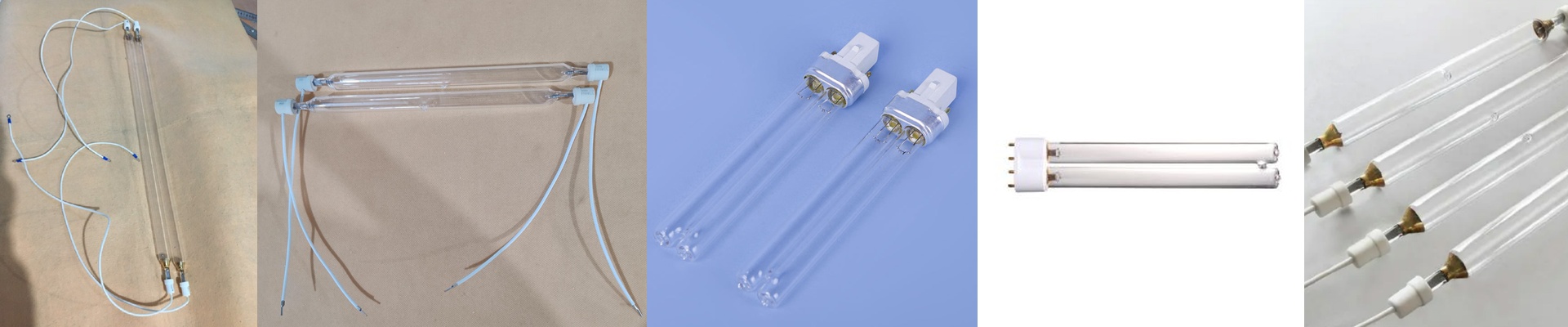
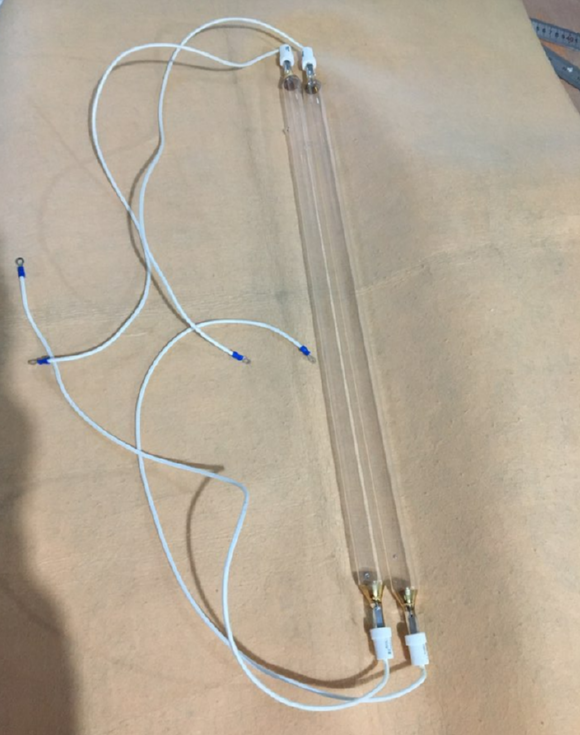
Why Your UV Lamp Source Actually Matters
When you’re looking for custom UV lamps from China, it’s easy to think you’re just buying a piece of glass and a wire. But it’s deeper than that. You’re actually paying for the “secret sauce”—the specific way the light hits the spectrum and how the electrodes are built. Here is the problem: a lot of suppliers just white-label generic designs. If you’re shipping those into the US or EU, you’re playing a dangerous game. One bad day at customs or a patent lawsuit, and your whole shipment is gone.
The danger of “copy-paste” sourcing
A lot of shops just mimic existing designs. They call them “drop-in replacements,” but really, they’re just clones of big-brand tech. If you sell those, you’re the one on the hook for the IP theft. We do things differently. We use our own patented processes. We handle everything—from the minerals we mix into the quartz to the exact shape of the arc. It means when you sell these lamps, you can actually sleep at night knowing the product is legally yours.
The nerdy stuff (that actually saves you money)
We don’t guess on wattage. We measure the exact microwatt output per square centimeter. Depending on what you need, we swap between thoriated tungsten or other specialized alloys. That’s the difference between a lamp that dies in a month and one that actually lasts. We calibrate the electrical footprint so your ballast doesn’t fry the lamp the moment you flip the switch. And then there’s the seal. Custom sizes are easy, but the vacuum seal is where most people mess up. A tiny leak and the lamp is trash. We use a proprietary sealing method that keeps the air out and the UV output steady for over 8,000 hours. It just works.
Cost vs. Peace of Mind
Look, patented lamps cost more than cheap clones. You’re paying for the research and the legal safety net. But think about the alternative. A few cents saved per unit isn’t worth the nightmare of having your cargo seized at a port or fighting a legal battle you can’t win. If you’re growing a real business in international markets, you need a partner who owns their tech, not someone who just borrowed it.