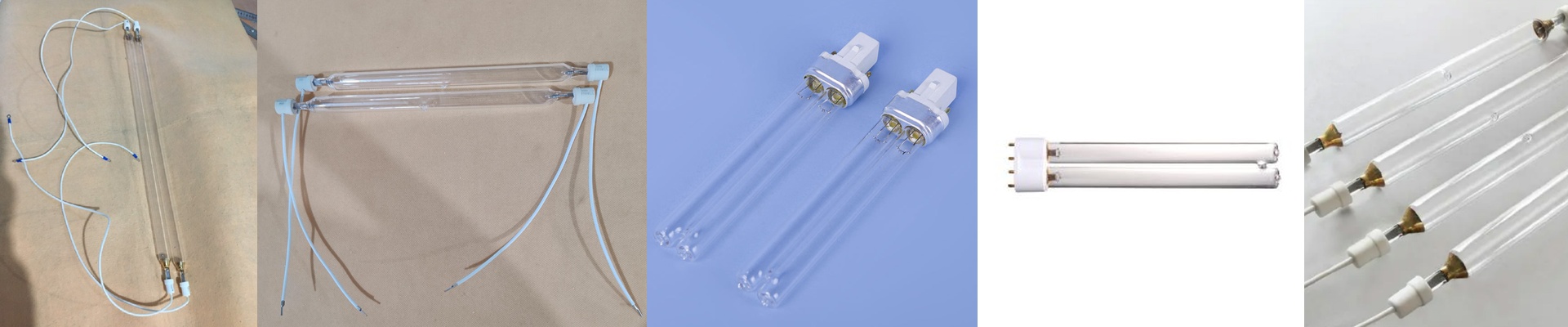
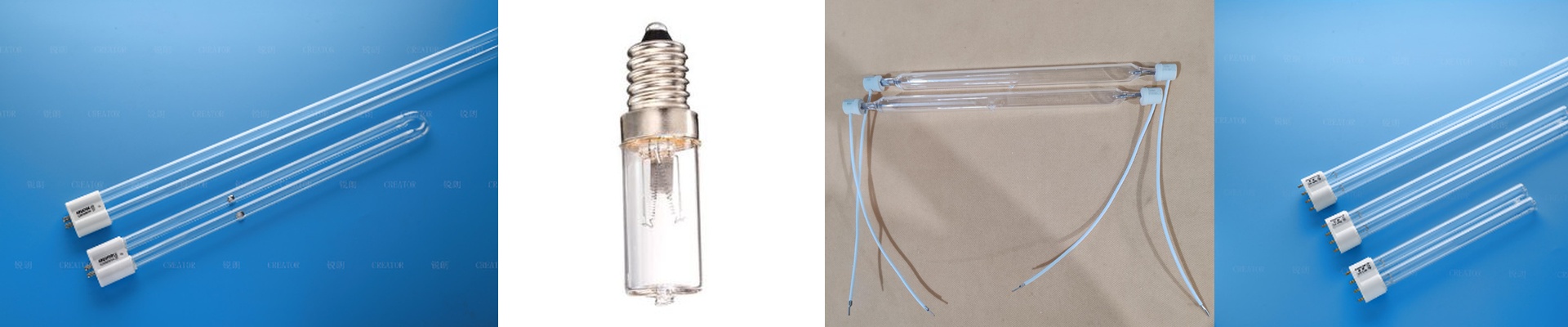
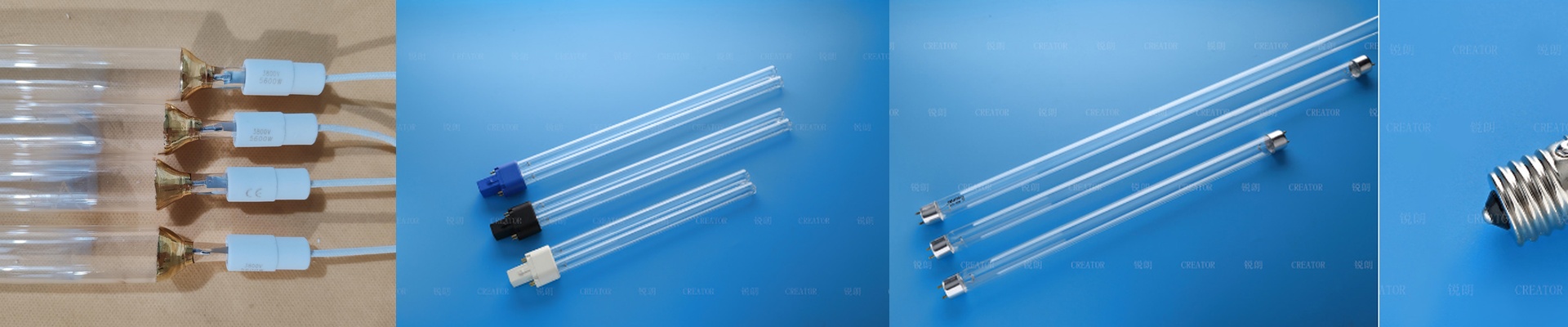
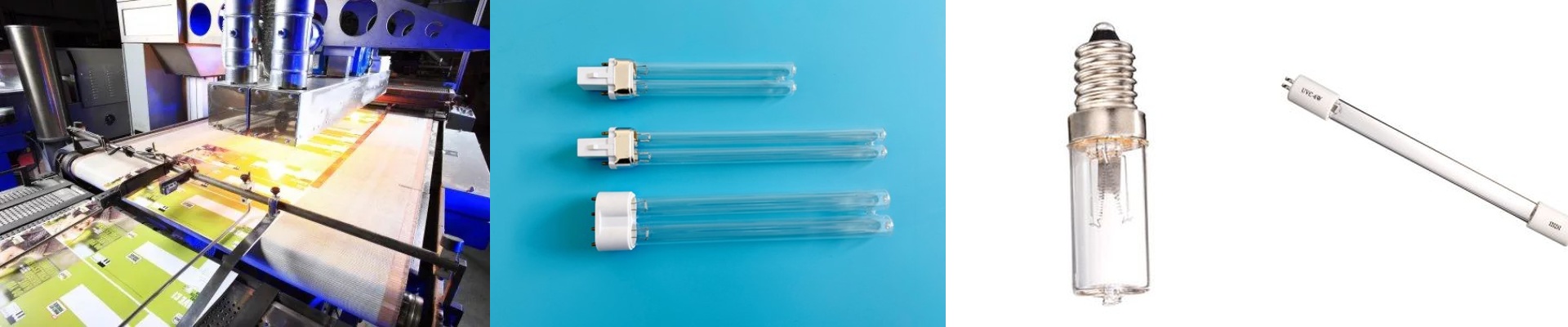
Why we obsessed over 0.5% spectral concentration
Most UV lamp companies are fine with “standard” output. They hit the general range and call it a day. But we spent our last development cycle chasing something much tighter: a 0.5% spectral energy concentration. Why? Because if you’re a process engineer, you know that tiny fraction is the difference between a perfect, cured surface and one that stays tacky and ruins your batch.
Taming the arc
Getting that kind of precision is a nightmare. It all comes down to the gas mix and how the electrodes are shaped. We spent a lot of time messing with the mercury vapor pressure and the thickness of the quartz walls just to keep the plasma arc from dancing around. If that arc wanders, your energy distribution shifts. Period. We had to tighten the tolerances on the tube diameter so the UV photons actually hit the target instead of scattering everywhere. Then there’s the glass. Even a tiny bit of impurity in the quartz changes everything. We switched to high-grade fused silica so the glass doesn’t soak up the shortwave energy before it even makes it out of the tube.
The heat struggle
Here’s the thing: when you push for maximum spectral density, you generate a ton of heat. You can’t get 0.5% precision without dealing with thermal expansion. As the tube gets hot, it physically shifts. That shift can drift your focal point, and suddenly your beam isn’t where it needs to be. We fixed this by rethinking the lamp’s footprint and getting specific about cooling airflow. If your cooling isn’t up to the task, that spectral peak is going to drift. It’s as simple as that.
Real-world use
We built these to be drop-in replacements for high-precision lines. No fluff, just output. One heads-up: your power supply is the secret sauce here. To keep that 0.5% concentration steady, you need clean power. Voltage spikes will chew through your electrodes and kill your spectral purity faster than you can track it. We built these lamps to take a beating in a loud, messy industrial shop—as long as the electricity coming in is stable, they’ll do the job.