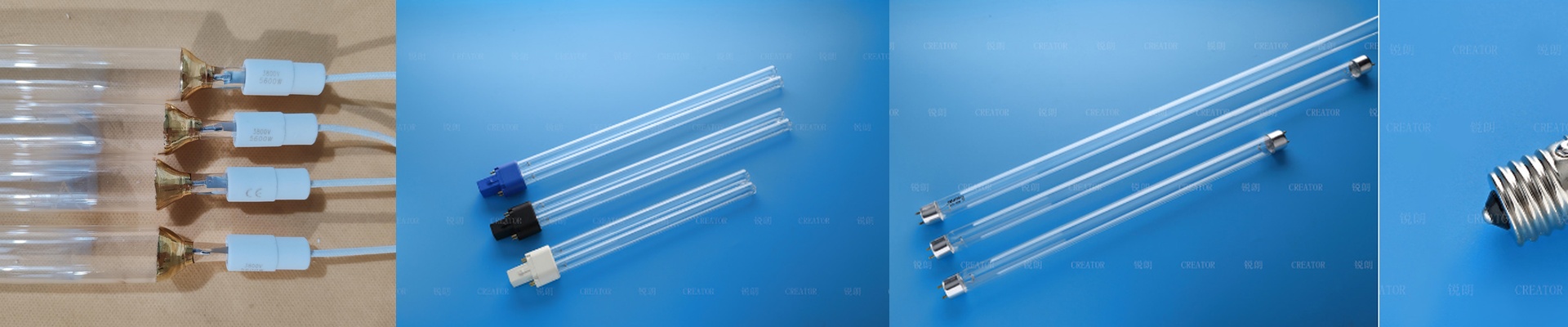
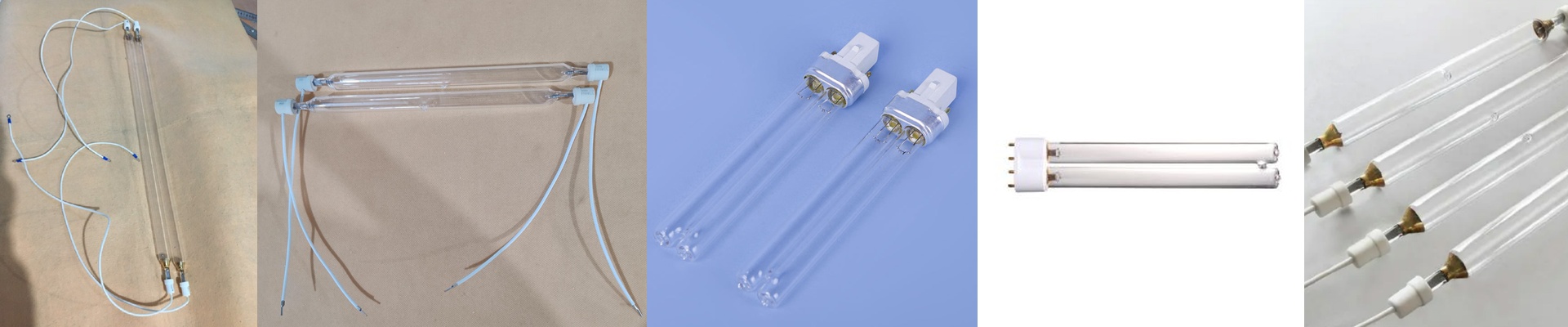
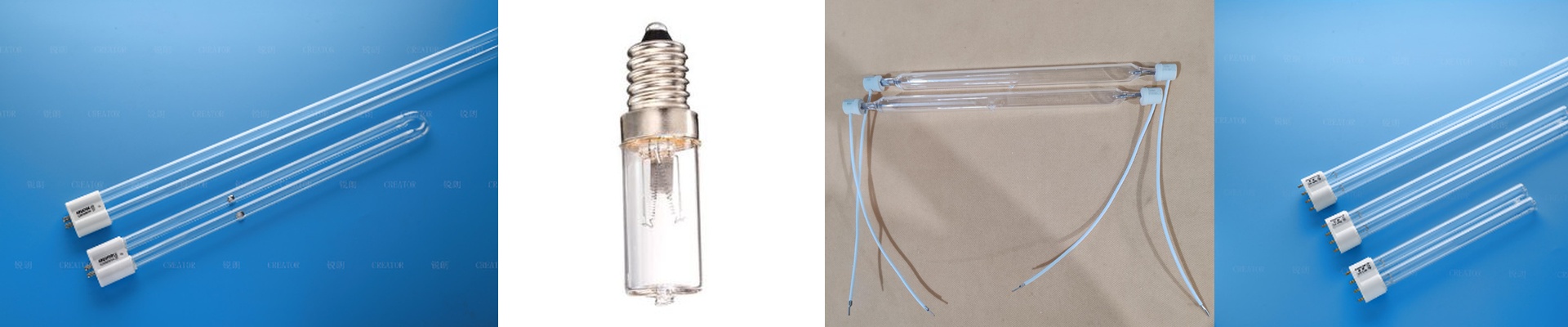
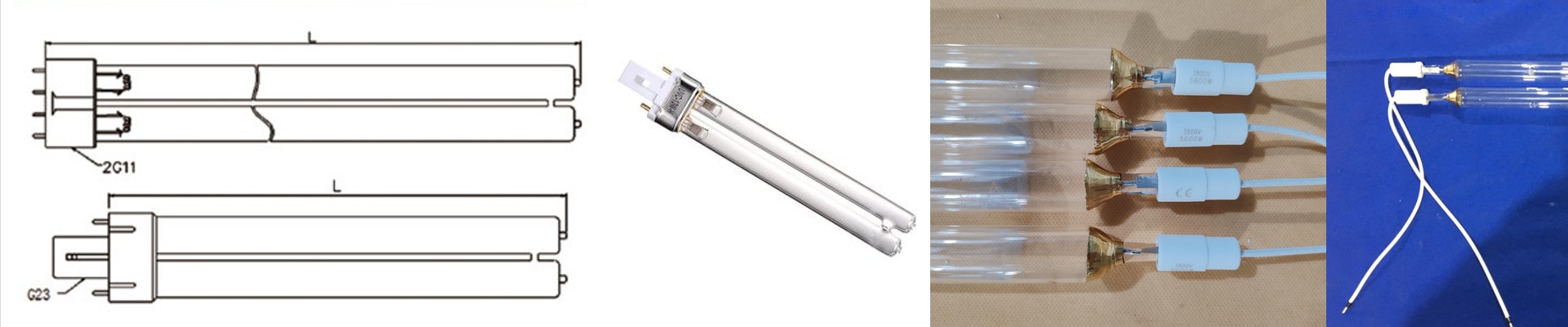
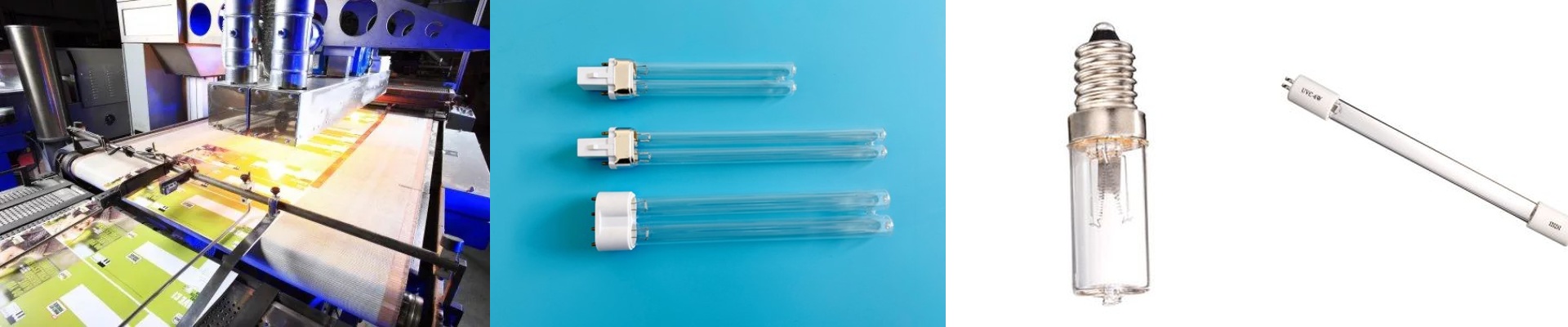
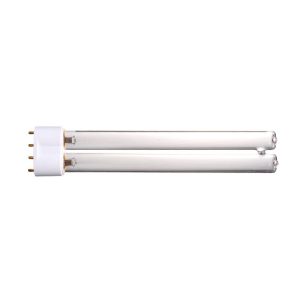
On the floor of a premium streetwear shop, color accuracy is the line you don’t cross. One pass that doesn’t cure right and the pigments fall flat, the whites start to yellow, and the whole batch misses the brand’s spec. That’s why top printers lean on custom industrial mercury UV bulbs. You need a stable, high-energy spectral profile to hit repeatable color at production speed. What matters under the hood We build these bulbs around engineered spectral output, focused on the 365nm and 385nm bands where the photoinitiators in pigmented inks trigger cross-linking most efficiently. Peak irradiance at the substrate hits 800–1200 mW/cm², giving you curing energy densities around 400–600 mJ/cm² in typical single-pass setups. That output stays consistent because of a dichroic-coated quartz envelope and a reflector assembly tuned for 92% reflectivity, so the dose stays even across the full print width. We size the lamp to your machine—arc lengths run from 150mm to 1500mm—and match the electrical interface to the existing ballast, whether it’s two-pin, four-pin, or proprietary. Ozone-free variants run cooler at the surface, so you cut substrate heat load without sacrificing UV-A output. Why this works for fashion flexo and screen In high-end flexo and screen for fashion labels, ink films are thicker and pigment loading is higher. A mercury UV bulb’s broad UV-A output gets through the top layer fast, curing through-and-through without leaving surface tack. The result is color that sits truer on the substrate, with better apparent saturation and cleaner hue. You also get faster cycle times—often 30–50% shorter than with lower-output systems—and fewer reprints driven by dot gain or mottling. Typical lamp life lands around 1000–1500 hours, and with controlled power density you keep energy draw down while holding cure dose within tight tolerance. The details that bite you if you ignore them These lamps are particular about fixture and ballast compatibility. Verify arc length, wattage, and ignition voltage against your printer’s specs, and confirm reflector alignment so you don’t get uneven irradiance that shifts color across the web. Operating temperature and airflow matter. Keep the lamp and reflector clean—otherwise output drops. And schedule power metering every 250 hours so you can catch spectral degradation before it starts costing you color consistency.