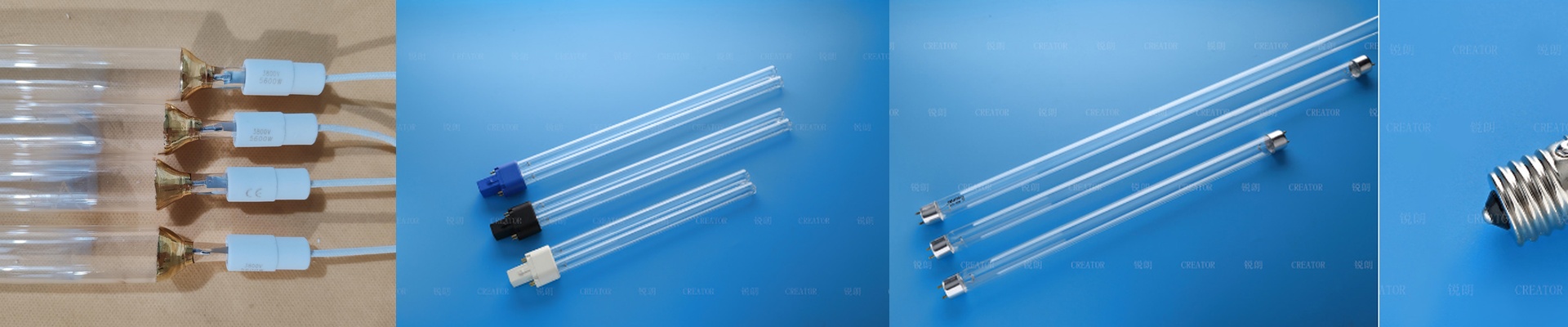
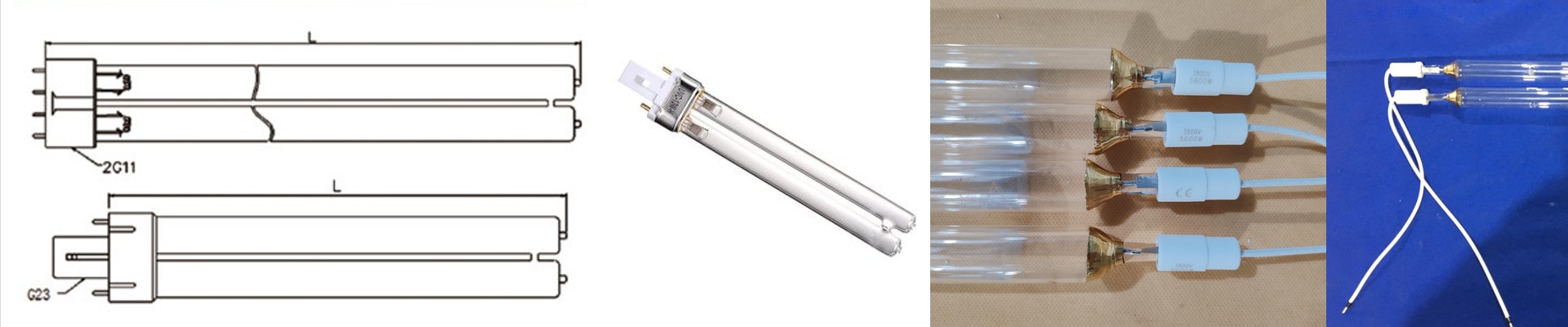
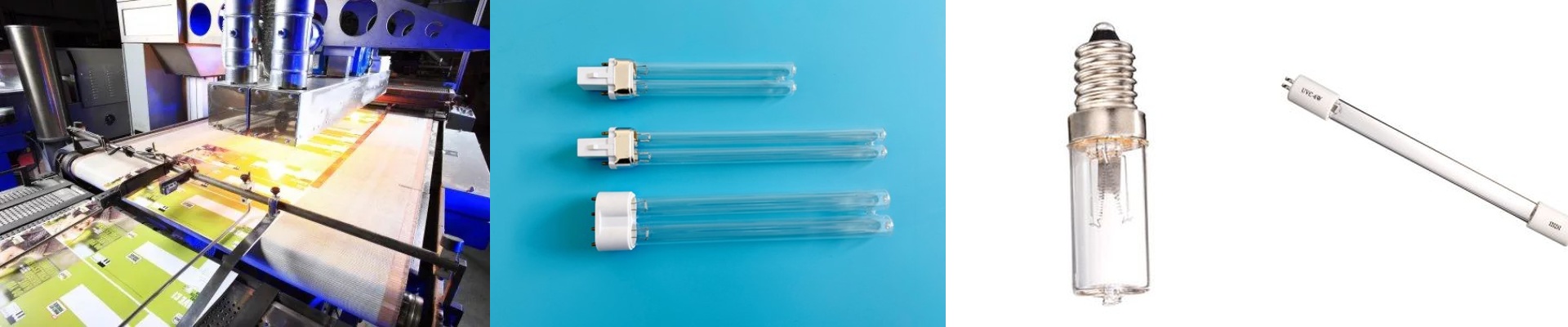
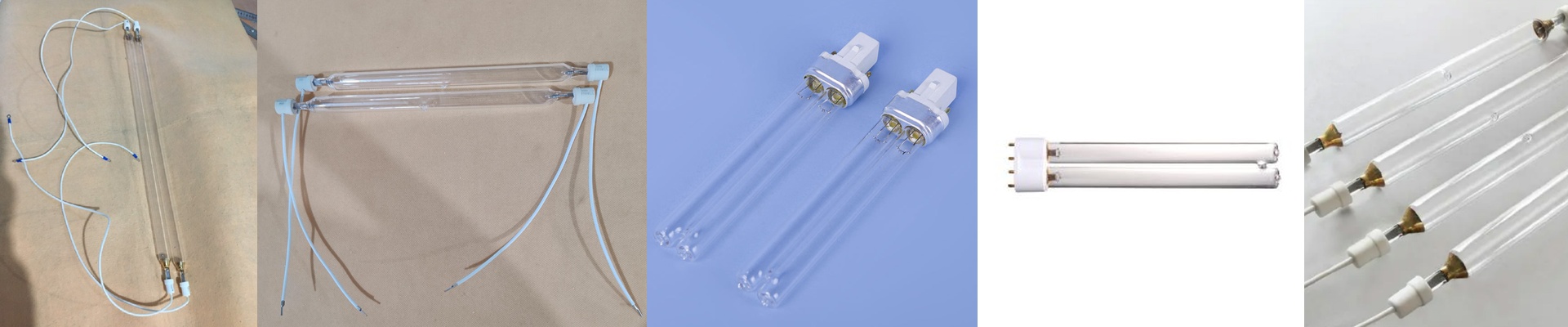
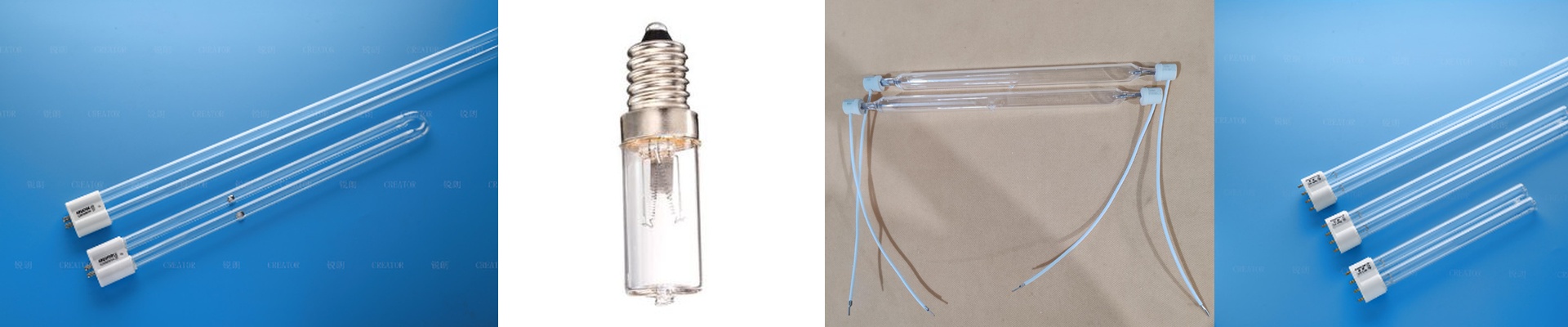
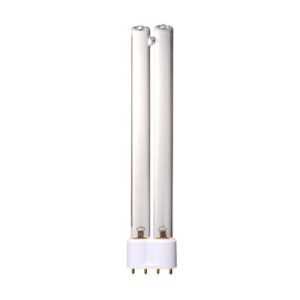
Let’s talk about the 120W/cm Mercury UV Lamp
We settled on 120W/cm for our standard lamps for a simple reason: it’s the sweet spot. You get the punch you need for high-speed curing and sterilization, but you aren’t replacing your tubes every two weeks. It’s all about finding that balance between raw power and actually making the gear last. The heat factor Here is the thing: 120W/cm gets hot. Really hot. To keep the glass from cracking under that kind of stress, we use high-purity quartz. But we can’t do all the heavy lifting. You’ve got to make sure your cooling—whether you’re using fans or water jackets—is actually doing its job. If your airflow dips, the temperature spikes, and your UV output will tank right along with it. What’s happening inside Inside the tube, we’re exciting mercury vapor to hit that 253.7 nm peak. It sounds technical, but the real-world result is just clean, effective light. We spend a lot of time tweaking the gas fill and the electrodes so you don’t get that annoying “blackening” at the ends of the tube. That keeps the light path clear and your line moving. Getting it into your system Since we handle everything from the raw quartz to the final assembly, we don’t have to tack on middleman markups. You just get a solid replacement that fits right into your existing ballast setup. No fuss. One quick tip: running these at full blast all the time wears out the electrodes. If your line isn’t moving, dial the wattage down. It’s a simple move that saves you a lot of money in the long run. Is this the right fit for you? If you’re doing PET curing or surface disinfection, this is your lamp. It triggers photopolymerization in seconds. Just a heads-up: if you’re working with materials that melt or warp easily, give the lamp a bit more breathing room. Just move it further away from the product so you don’t accidentally scorch your work.