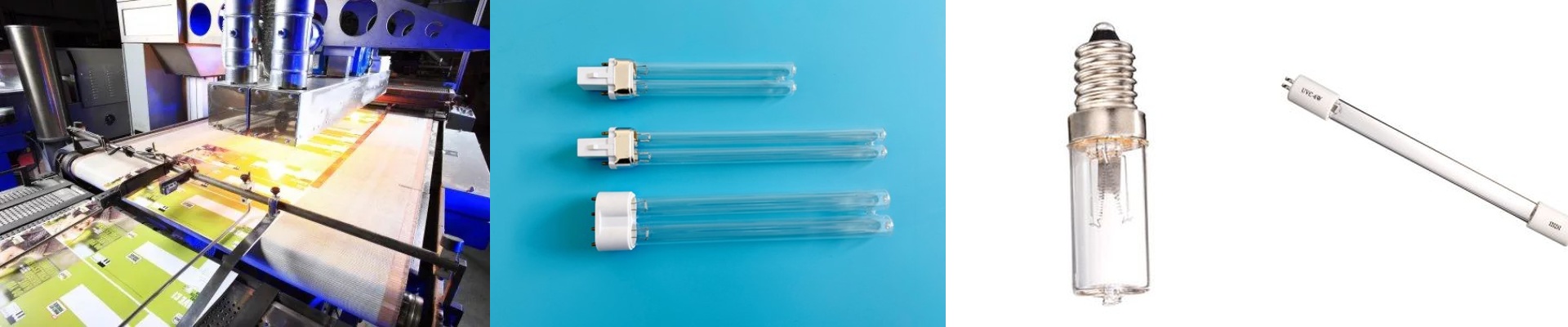
Getting More Life Out of Your Mercury UV Tubes
Let’s be honest: mercury UV tubes are the unsung heroes of the printing and coating world. They do the heavy lifting, turning liquid resins into solid films in a heartbeat. If they aren’t working, everything stops.
The tricky part about the physics
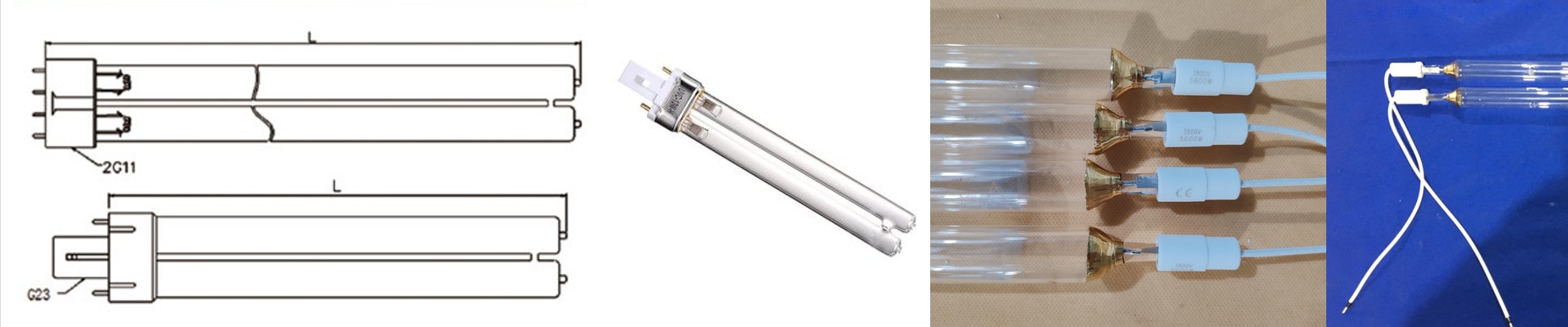
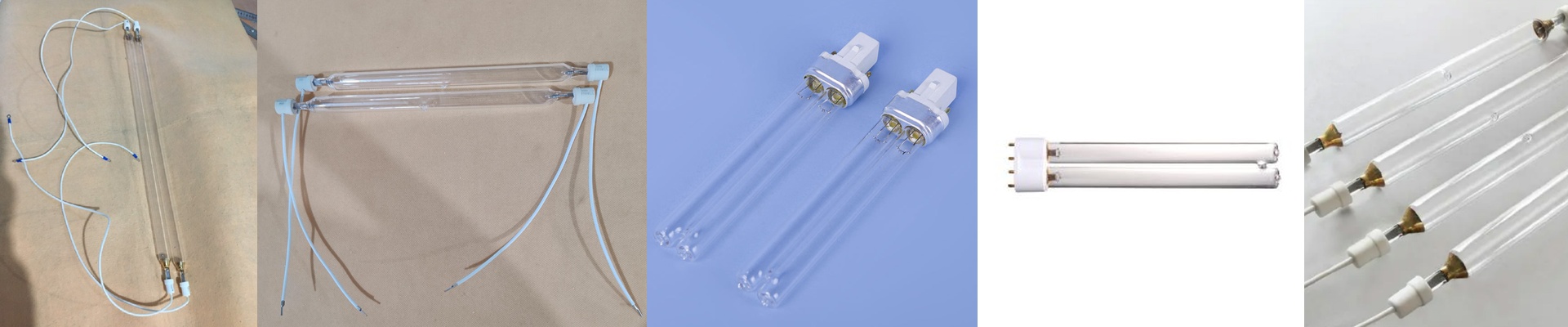
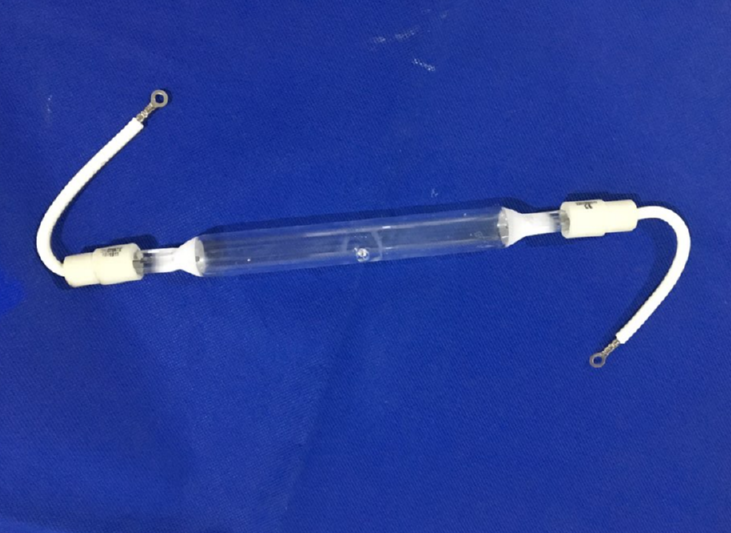
Here is the thing about these lamps. To get that deep cure you need, we use high-pressure mercury vapor to hit those specific UVC and UVB wavelengths. But there’s a catch. The whole thing relies on the purity of the quartz and how tight that electrode weld is. If there’s even a tiny leak in the vacuum seal, the lamp is toast. That’s why we obsess over the spot where the electrode meets the quartz. It’s a small detail, but it’s the difference between a lamp that lasts and one that burns out way too soon.
Dealing with the heat
We all want more power. Higher wattage means more UV irradiance, which means you can crank up your line speed. But you can’t get something for nothing. Pushing all that power into a small tube creates a ton of heat. If your cooling fans or water-jackets can’t keep up, you’re in trouble. The quartz can actually soften, or the electrodes just give up. **Pro tip:**Keep an eye on the surface temperature. It’s the easiest way to make sure you aren’t accidentally killing your lamps.
Making it actually work on your floor
These tubes are designed to slide right into your existing arrays without a fuss. But we don’t just want to ship you some glass and wish you luck. If you’re noticing tacky surfaces or “under-cure,” don’t just assume the lamp is dead. It might just be that the tube is sitting too far away from the material. We’re happy to jump in and help you tune the dosage. It’s all a balancing act—matching your power settings with your line speed so you can move as much product as possible without scorching the substrate. And if you find yourself changing lamps way too often? We can check your ballast output to see if you’re accidentally pushing the tubes harder than they can handle.