Making Textiles Stick: The Truth About Gallium Iodide UV Lamps
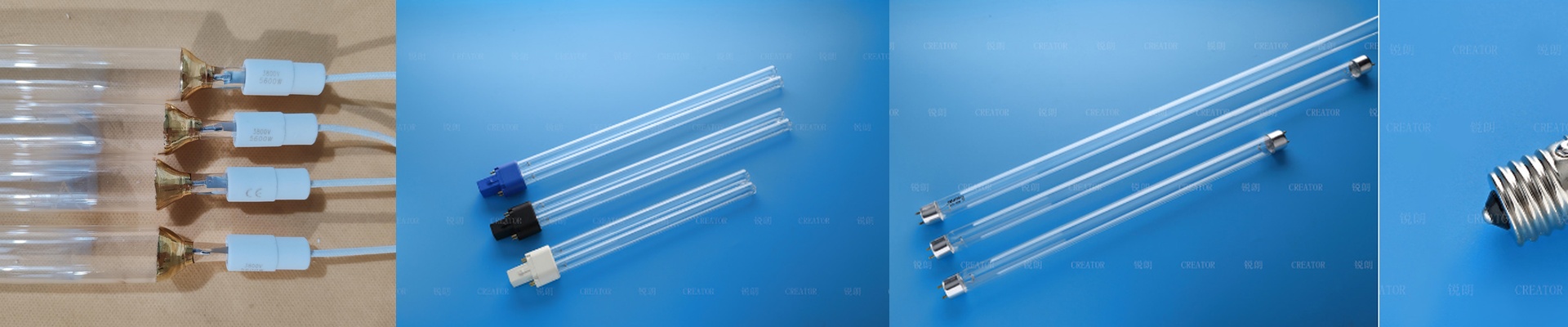
Most people think textile work is all about looms and dyes. But there’s a hidden part of the process that actually makes the magic happen: UV curing. If you’ve ever dealt with standard mercury lamps, you know they have their limits. Sometimes they just don’t have the “oomph” to get the job done. That’s where our Gallium Iodide (GaI) lamps come in. They fill the gap.
Why GaI actually works
Here is the thing: standard lamps often struggle to punch through deep layers of fabric. You end up with coatings that feel tacky or inks that just won’t set. We use Gallium Iodide because it shifts the light spectrum. It hits the UV-A and UV-B ranges much harder. This means the light actually reaches the bottom of those thick fabric layers, triggering the resins and inks to harden way faster. It’s the difference between a surface-level dry and a cure that actually holds.
Fitting them into your shop
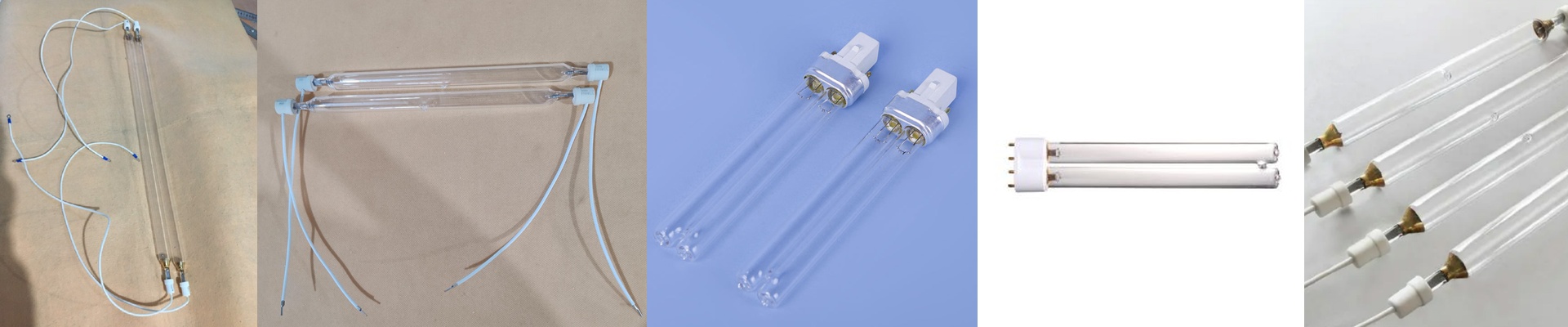
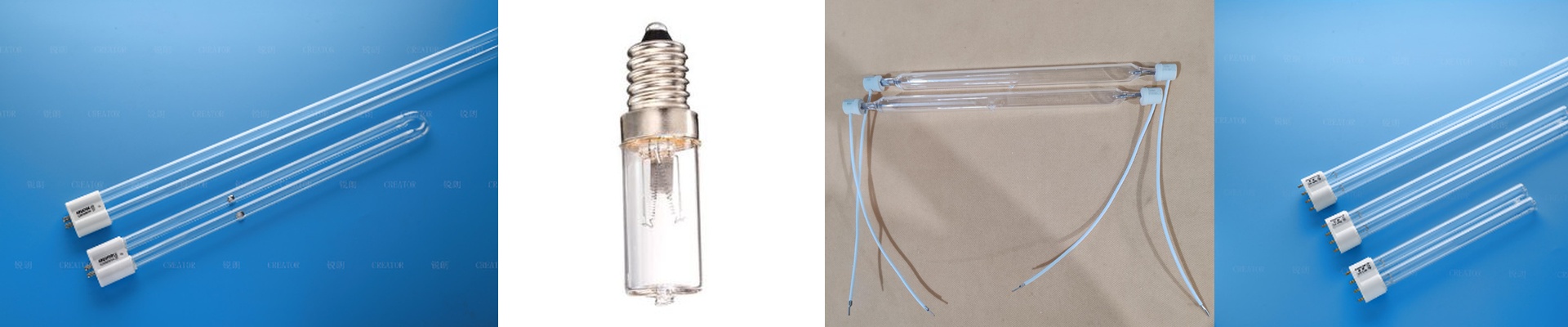
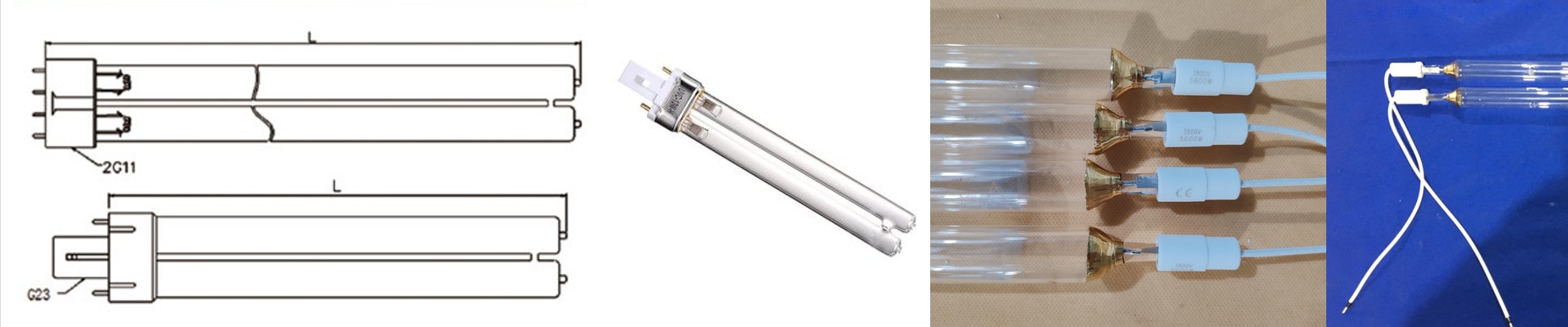
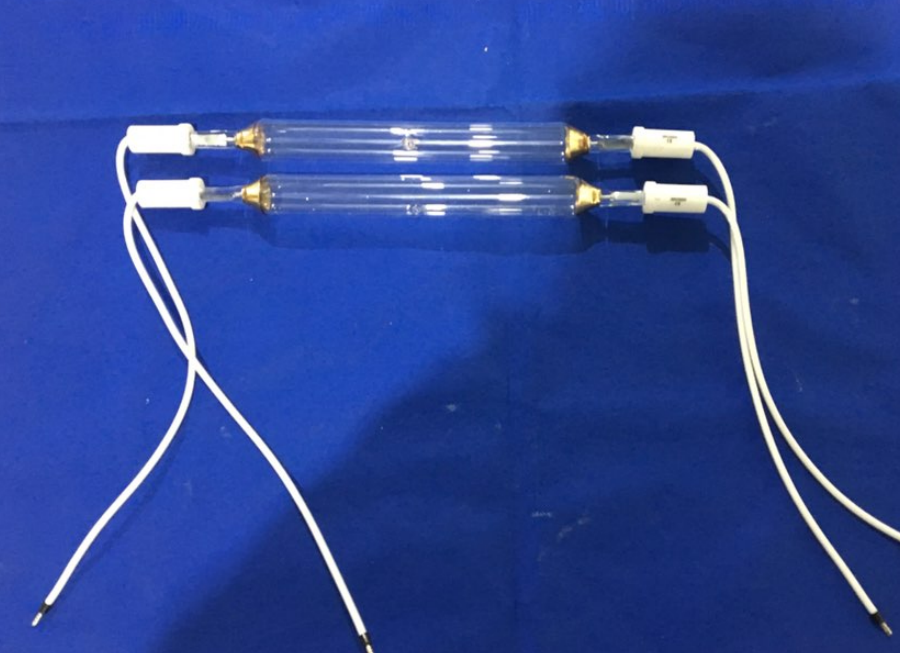
We don’t believe in “one size fits all.” Your machines are different. Whether you’re running a long conveyor dryer or squeezing a lamp into a tiny housing, the fit has to be perfect. If the geometry is off, the whole process suffers. But a heads-up: these lamps put out a lot of heat. If you crank up the wattage to speed up your line, your cooling system needs to keep up. If the air isn’t moving, that quartz envelope is going to stress out and burn out way too soon. Plus, you don’t want to accidentally warp your fabric because the lamp got too hot. Keep an eye on those surface temps.
Where this helps you on the floor
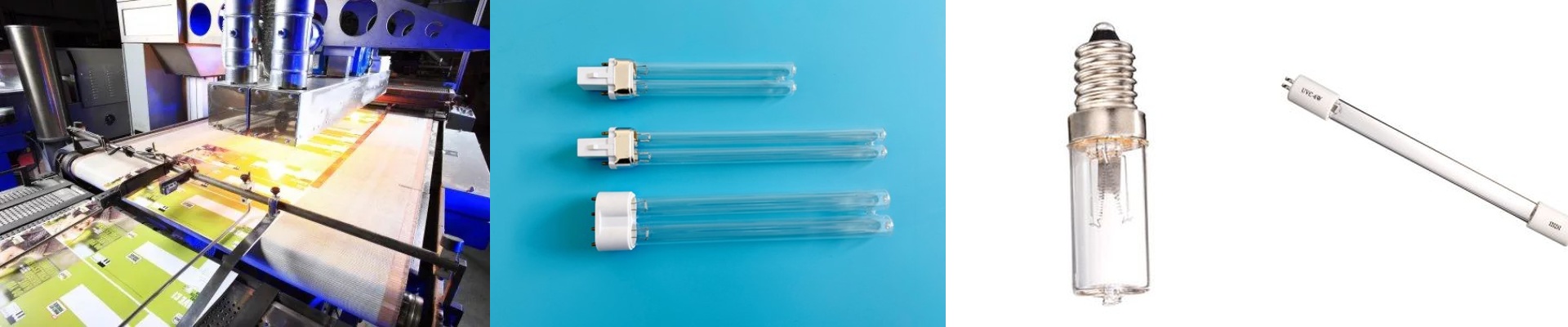
In a real-world shop, these lamps do the heavy lifting: ***Digital Printing:**You can set inks on synthetic fabrics without scorching the material. ***Special Coatings:**It’s how you get those water-repellent or flame-retardant layers to actually stay put. ***Seamless Bonding:**It makes those fast-setting glues work for garment construction. And look, nobody wants to spend a weekend rewiring a power rack. We make sure the voltage and pins match your existing ballasts. You can just swap them out during your usual downtime and get right back to work. No total system overhaul required.