Keeping Your UV Lamps Steady When the Shop Gets Loud
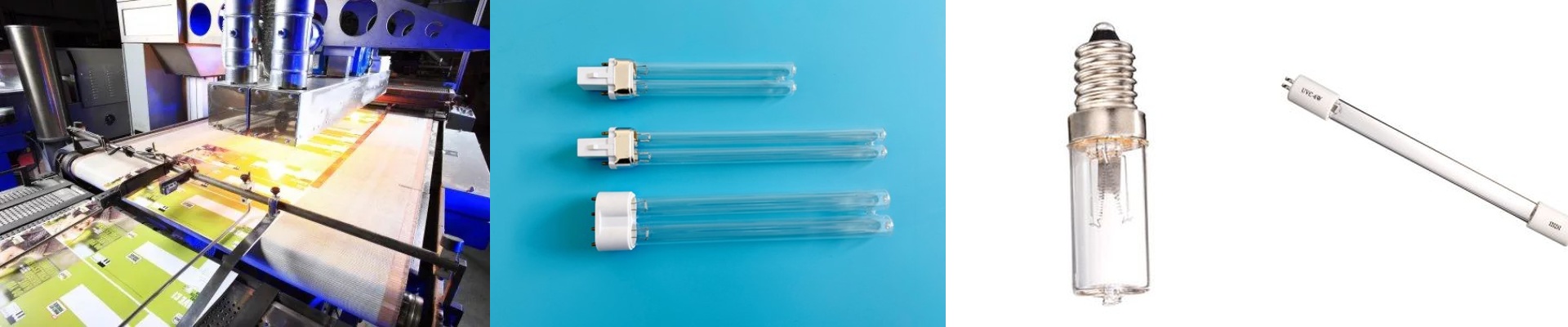
If you’ve ever spent a day in a busy print shop, you know the noise. I don’t just mean the sound—I mean the electrical chaos. When you’ve got several massive presses humming away at once, the air is thick with interference from motors and high-frequency drives. It’s a mess. And if your UV system isn’t built for that kind of environment, things start to go sideways. You’ll see the lights flicker, the output gets twitchy, or your ballast just gives up the ghost way too early.
The Deal with 80W/cm
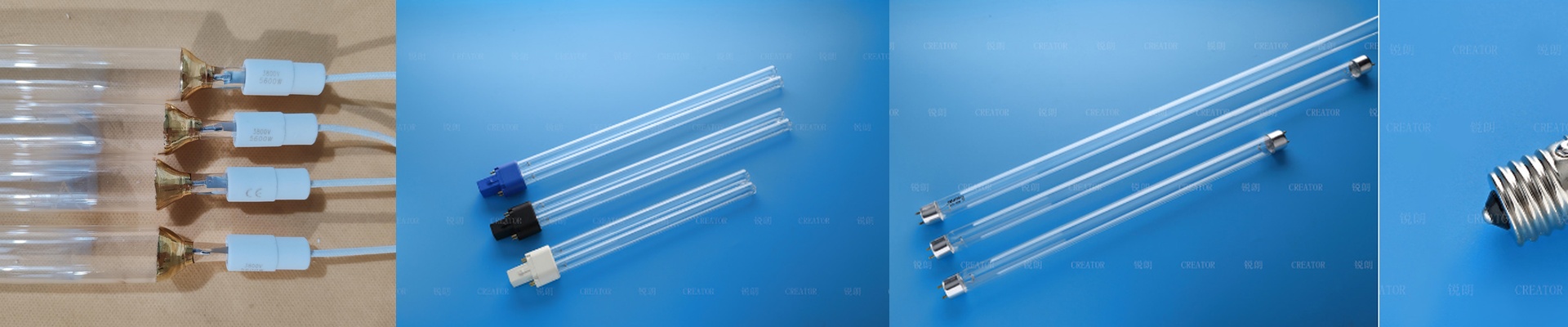
We build our mercury lamps at 80W/cm because that’s the sweet spot for curing inks and coatings fast. But there’s a trick to it. We spend a lot of time tweaking the mercury pressure and the electrode shape to keep the arc locked right in the center. Why? Because a “wandering” arc is a nightmare. It leaves you with uneven curing and kills the lamp long before it should.
Fighting the Noise
So, how do we stop the electrical noise from ruining your day? It comes down to how the tube and the power supply talk to each other. We focus heavily on the shielding and the purity of the quartz. It sounds technical, but here’s the real-world result: when five or six presses are pulling from the same grid and the voltage starts spiking, our lamps just ride it out. They don’t drop the arc. They just keep working.
The Trade-off: Heat
Here is the catch. Pushing that much power creates a ton of heat. The 80W/cm output is great for keeping your line speeds high, but it puts your cooling system to the test. You’ve got to keep your reflectors spotless and make sure your blowers can actually handle the load. If the cooling slips, the quartz stresses out, and the lamp burns out. Simple as that. We designed these to be drop-in replacements for high-volume shops where an hour of downtime costs way more than the lamp itself. You wire them in, set your conveyor speed, and they just hold steady.