Stop Guessing When Your UV Lamps Are Dying
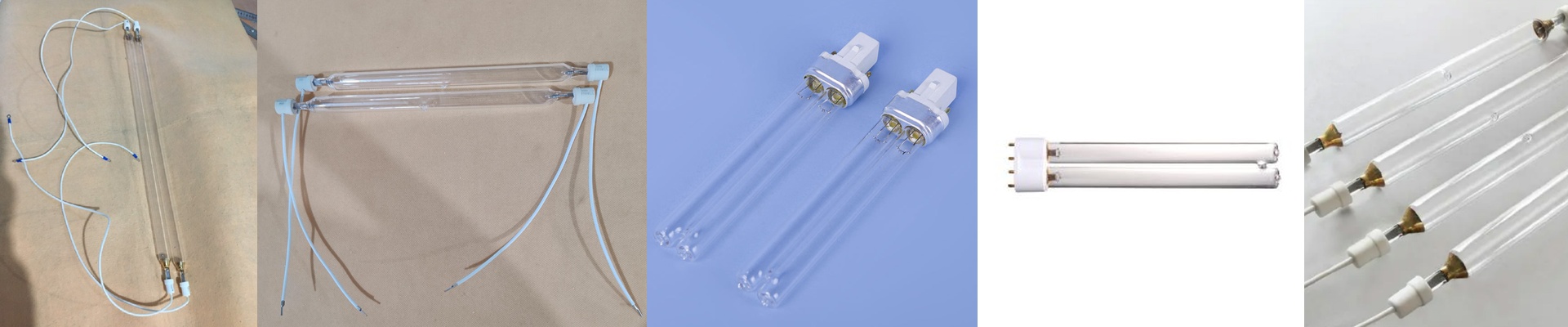
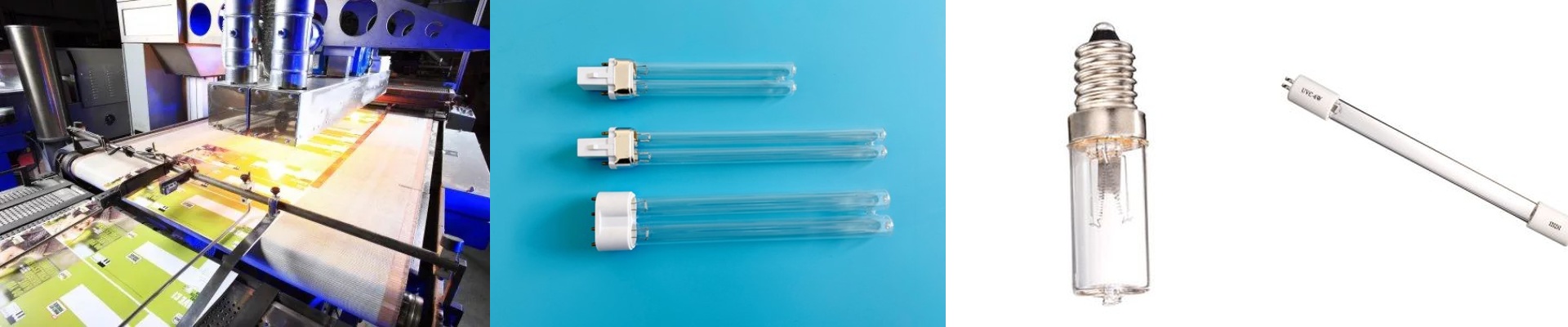
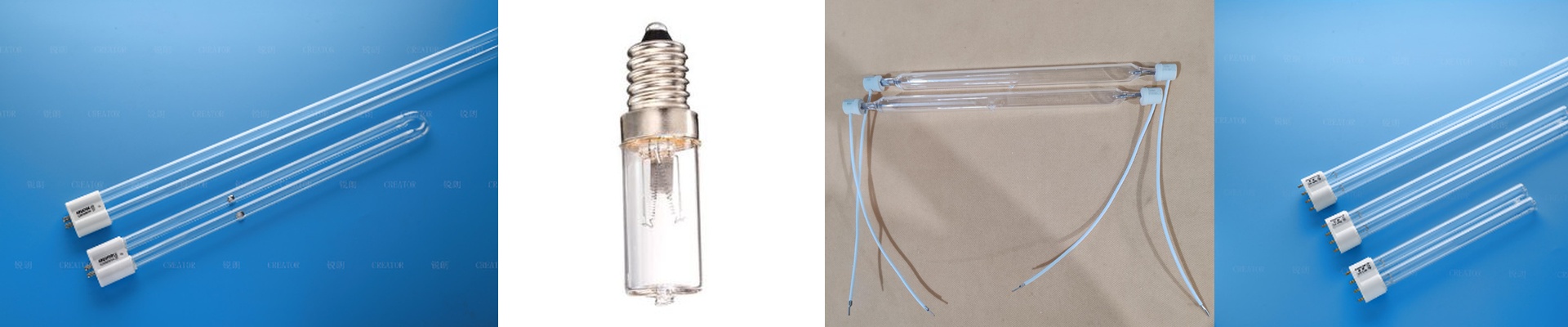
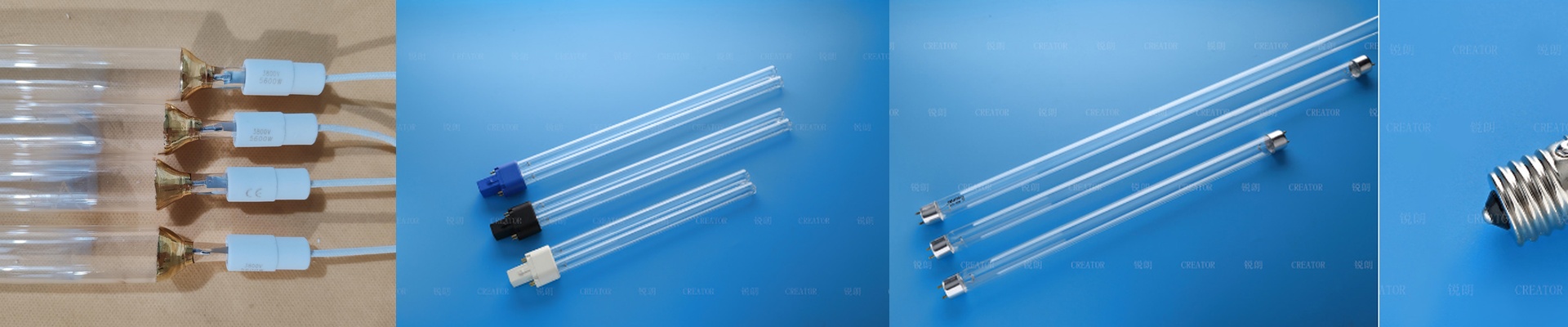
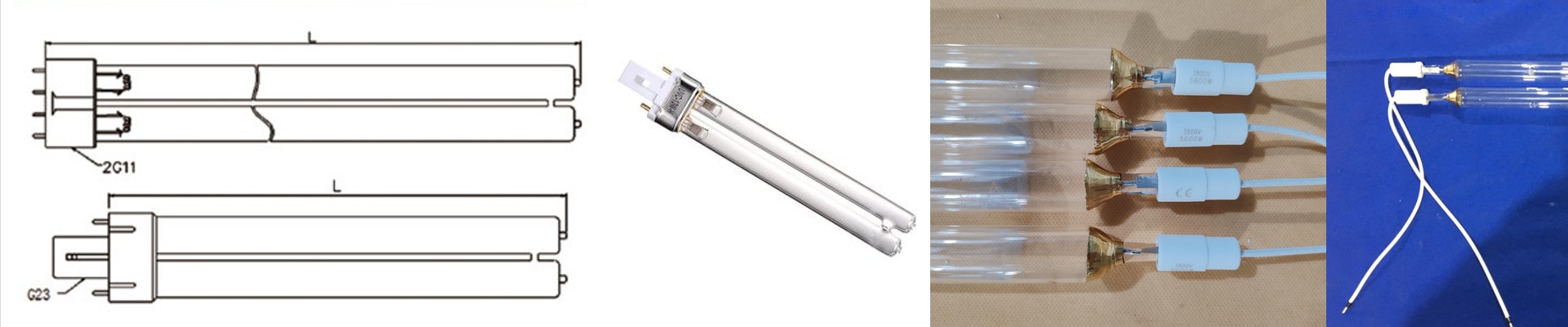
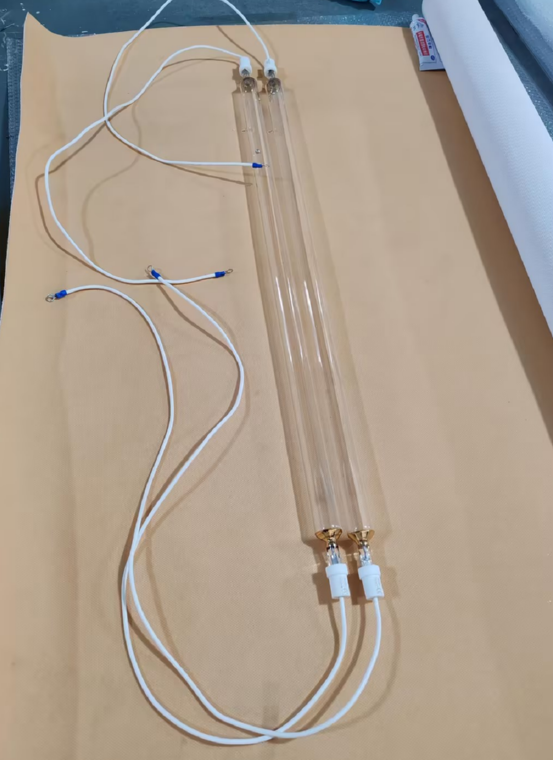
If you’re in semiconductor lithography or high-precision curing, you already know Gallium Iodide (GaI) lamps. They’re the heavy lifters. We build them to hit those incredibly tight, narrow-band emission peaks because that’s what the physics demand. But for too long, these lamps have been “dumb.” You plug them in, they blast UV radiation, and you just… hope for the best. The real headache? Trying to figure out exactly when a tube is about to give up the ghost. Most engineers are basically guessing, or relying on manual checks that take way too much time. We’re changing that by adding remote energy monitoring.
How the “Smart” Part Actually Works
We’ve stopped thinking of these lamps as just glass and electrodes. Now, we’re embedding sensors that keep a constant eye on power draw and spectral output. Think of it like a heart monitor for your equipment. By watching the voltage drop and those tiny current fluctuations, you can see a lamp starting to fade long before your UV intensity actually crashes. No more walking over with a radiometer. You just check your dashboard. If the lamp starts to drift, the system pings you. In a high-volume line, that’s the only way to actually keep your tolerances where they need to be without losing your mind.
The Heat Problem (And How We Fixed It)
Here is the catch: GaI lamps gethot. Like, really hot. We push for maximum photon flux, but that puts a massive amount of stress on the quartz envelope. When you try to add electronics into that mix, you’re basically putting a computer next to a blowtorch. You can’t just tape a sensor to the side and call it a day. The electronics would fry in minutes. To make this work, we use heat-sinked mounts that isolate the sensors from the UV flux. It keeps the monitoring gear cool while the lamp is running at full tilt.
Getting it Running on Your Floor
If you’re looking to swap these into your current setup, the lamp itself is usually a drop-in replacement. Easy. But—and this is a big but—you need to check your controller. If you’re running an ancient power supply, you’re going to get “noisy” data that doesn’t mean anything. Make sure your ballast matches the lamp’s specific voltage needs. If they aren’t in sync, you’ll deal with flickering or electrodes that wear out way faster than they should. Get the power right, and the rest just works.