Getting More Out of Your UV Curing
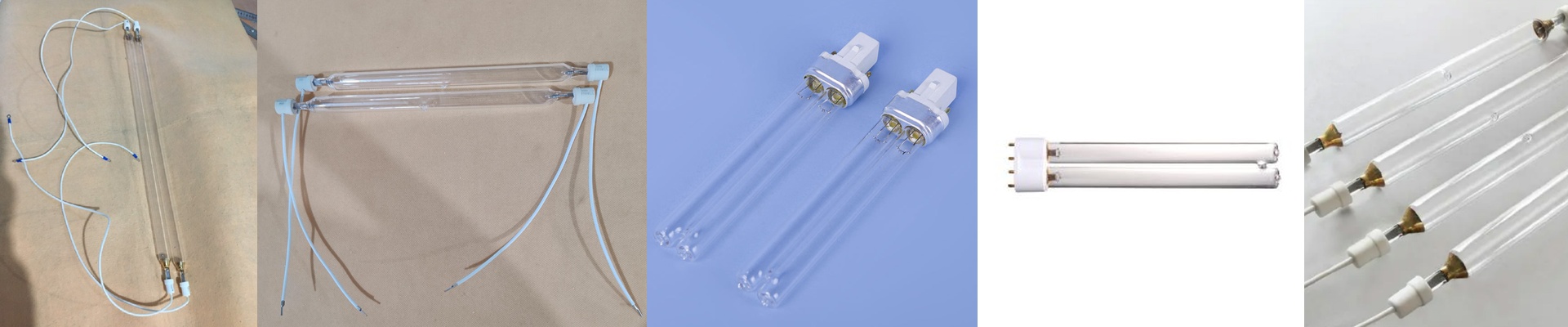
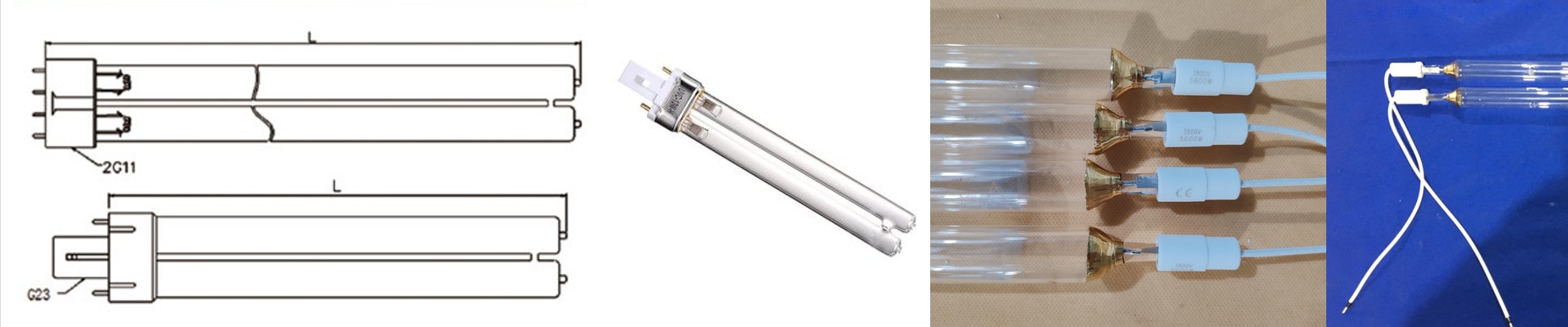
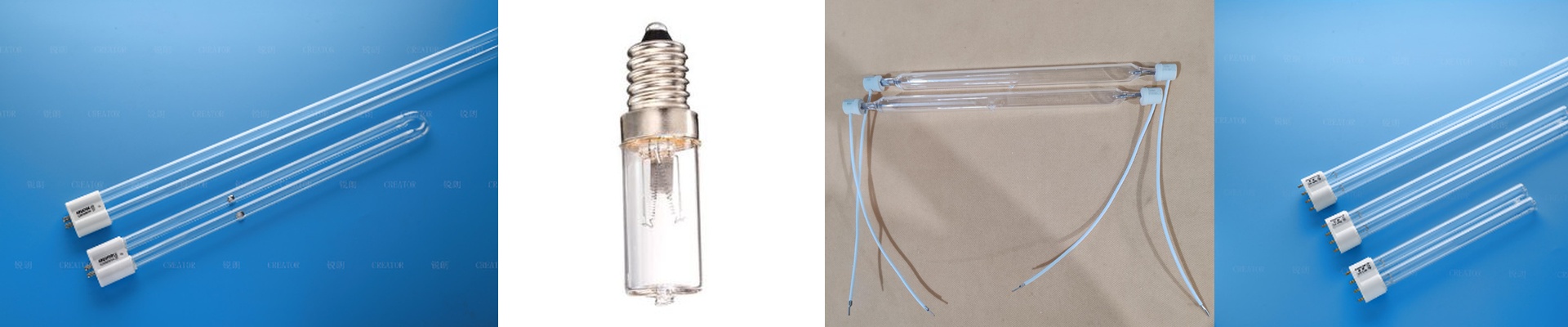
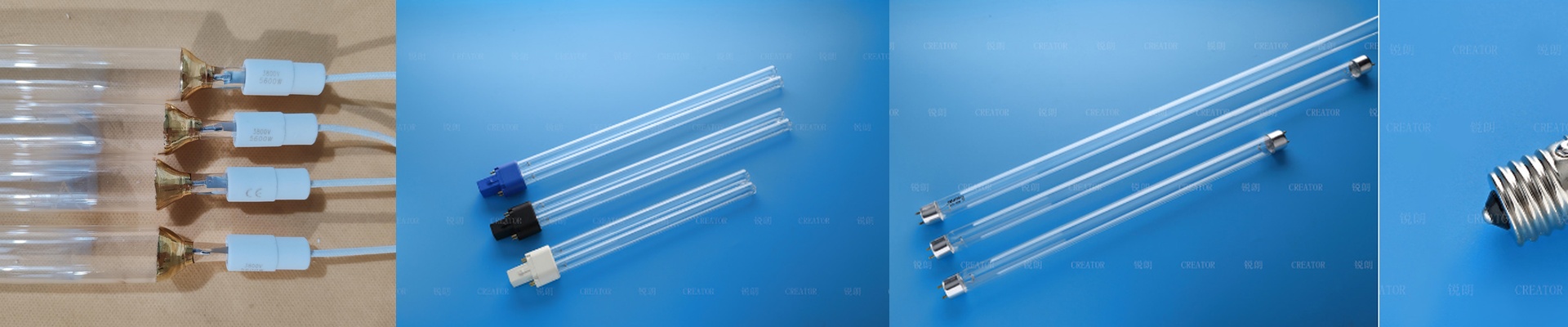
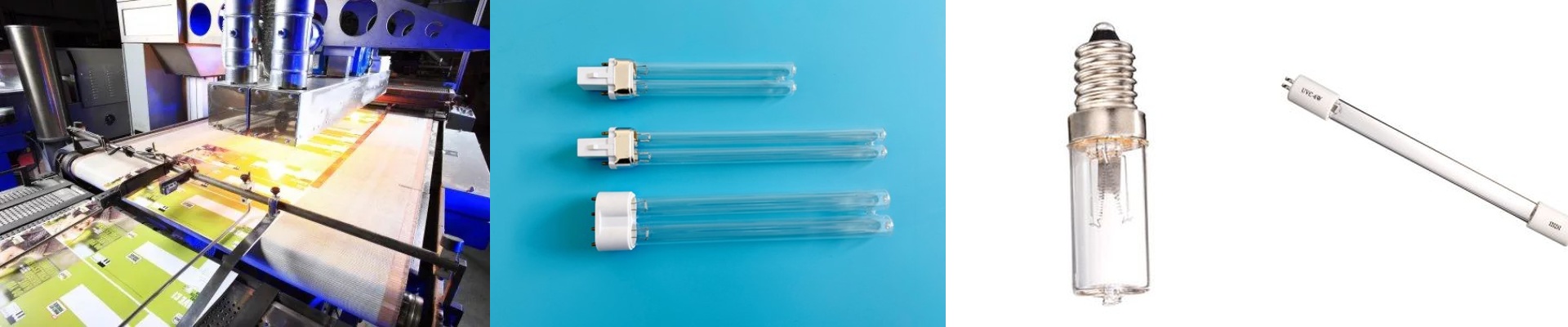
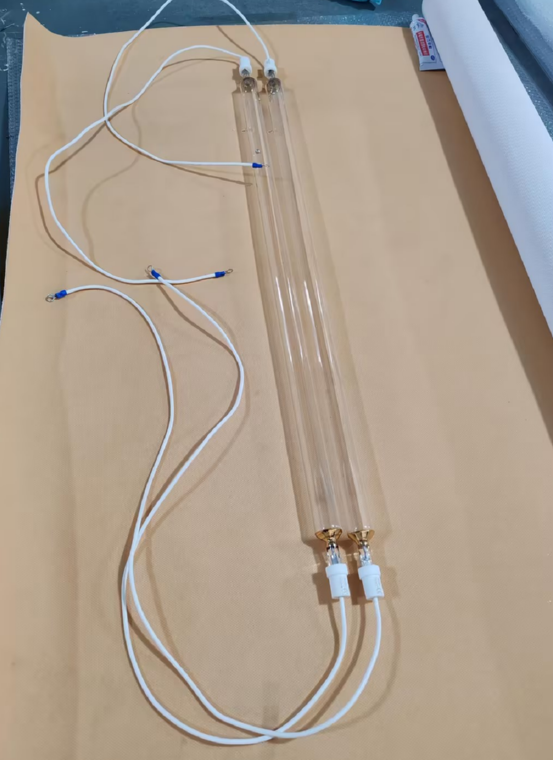
Most shops treat UV lamps like lightbulbs—you just swap them out when they die and don’t think twice about it. But honestly? Those lamps are the heart of your entire curing line. If they aren’t dialed in, everything else suffers. Heading into 2026, we’re seeing a big push toward tighter spectral control and better heat management. Nobody wants to deal with warped substrates. The Power Struggle Here’s how these high-pressure mercury lamps actually work: they compress mercury vapor into plasma. To get that deep-cure penetration your ink needs, you’ve got to get the wattage-to-length ratio just right. If your voltage drive is steady, your arc stays stable. That means no flicker and no “striping” on your high-speed runs. But be careful. If you try to cram too much wattage into a short tube, you’ll fry your electrodes way sooner than you should. It’s All in the Glass We stick with high-purity fused quartz because standard glass is basically a wall—it blocks the shortwave radiation that actually triggers your photoinitiators. And a quick pro tip: alignment is everything. If your lamp is off by even 2mm in the seat, you’re throwing away 10-15% of your power. It’s a tiny gap, but it makes a huge difference in your output. The Heat Problem These lamps don’t just put out UV; they pump out a massive amount of infrared heat. You can’t just slide a higher-wattage lamp into an old housing and hope for the best. You’ve got to check your chiller. If your cooling system can’t handle the extra load, your quartz tube will soften or your reflectors will start to discolor. It’s a mess you don’t want to clean up. We do more than just ship you a tube in a box. We’ll help you figure out the ballast and reflector geometry so you can keep your line moving fast without sacrificing the cure. Just make sure your lamp’s spectral output actually matches your ink’s photoinitiator. That’s where the real magic happens.