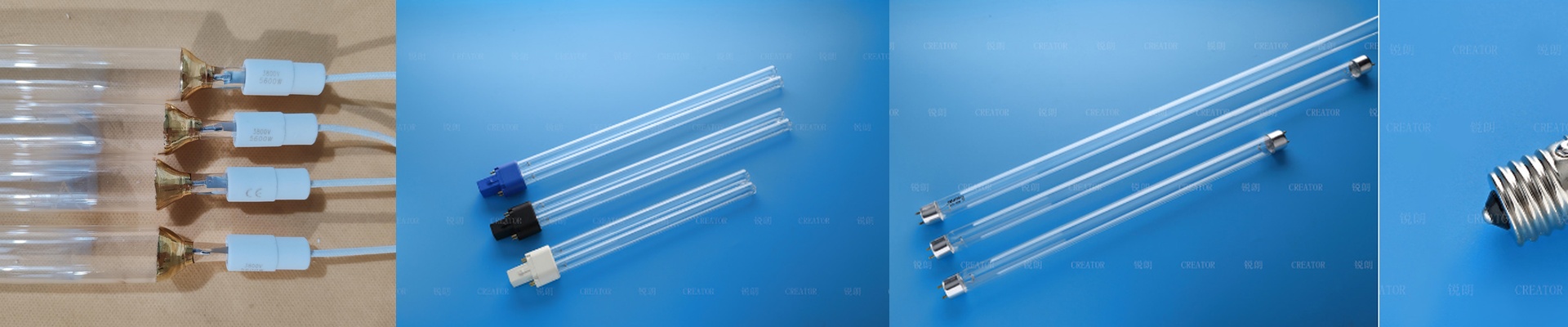
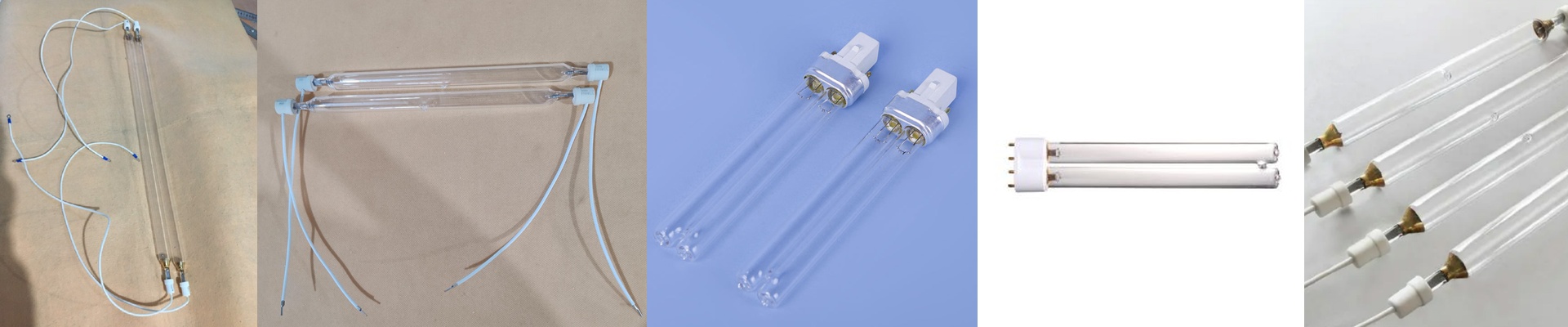
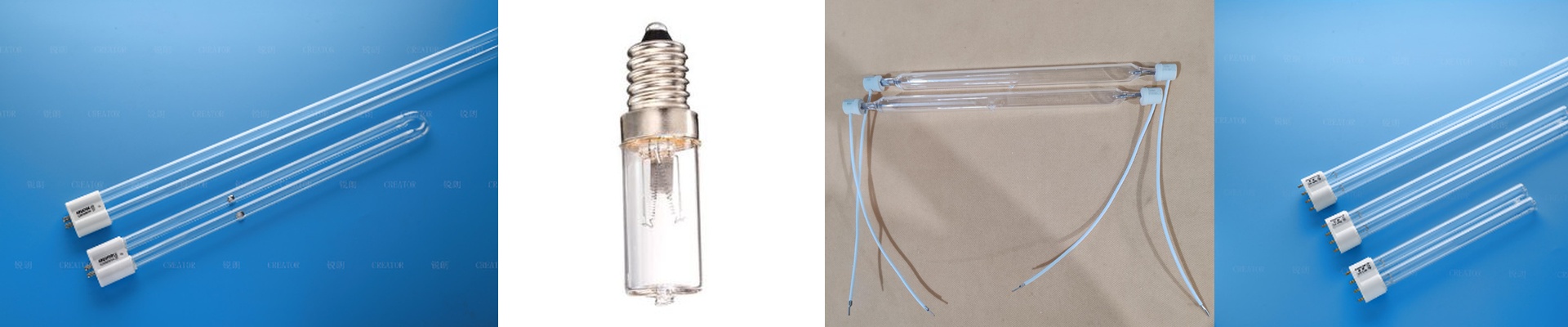
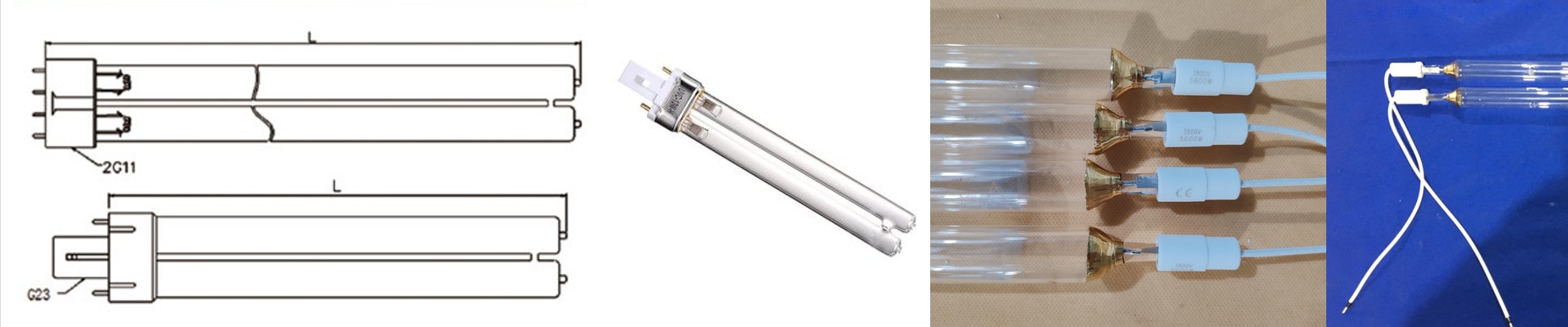
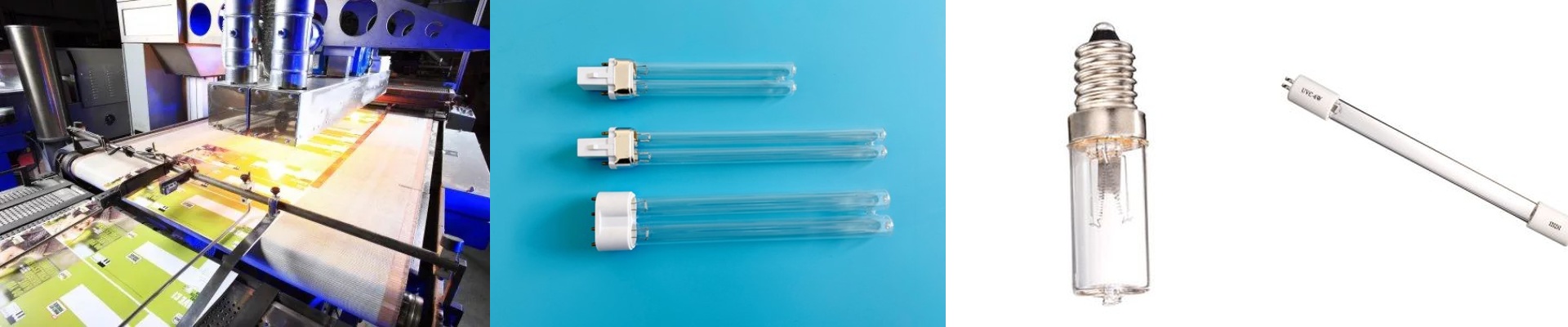
Let’s Talk About UV Lamp Safety in Your Shop
UV germicidal lamps are powerful tools, but let’s be honest: they’re a bit dangerous if you don’t treat them with respect. We’re talking about short-wave UVC radiation here. If a housing leaks or a shield fails, you aren’t just looking at a technical glitch—you’re looking at nasty skin burns and permanent eye damage. It’s serious stuff. The deal with shielding Here is the thing about radiation leakage. We build our systems to stay well under the ACGIH safety limits, but that only works if the materials actually hold up. If you try to cut corners with cheap plastics for your shields, they’ll turn brittle and crack. It’s inevitable. That’s why we stick to high-grade aluminum or polymers specifically made to take a beating from UV rays. It keeps the radiation exactly where it belongs: on your material, not on your team. Getting the electrical side right Wiring these things is a bit of a balancing act. Your lamp’s strike voltage and the ballast output have to be a perfect match. If they’re off, you’ll either burn through your lamps way too fast or, even worse, deal with electrical arcing at the end caps. Not a great look. We also make sure our connectors can handle the heat. If your drying tunnel doesn’t have decent airflow, those end caps can overheat and ruin the vacuum seal on the quartz tube. And then you’ve got a real problem on your hands. Finding the sweet spot It’s tempting to crank the UVC intensity to the max to get more product through the door. But there’s a catch. The harder those lamps hit, the faster your conveyor belts and rollers start to fall apart. You have to find a balance between how much “juice” the material needs and how much your machine can actually take. A better way? Pop some UV sensors at the exit point. You can monitor the intensity in real-time, which means you aren’t running at 100% power just to be “safe.” Your lamps will last longer, your cooling system won’t have to work overtime, and you still get a perfect cure every time.