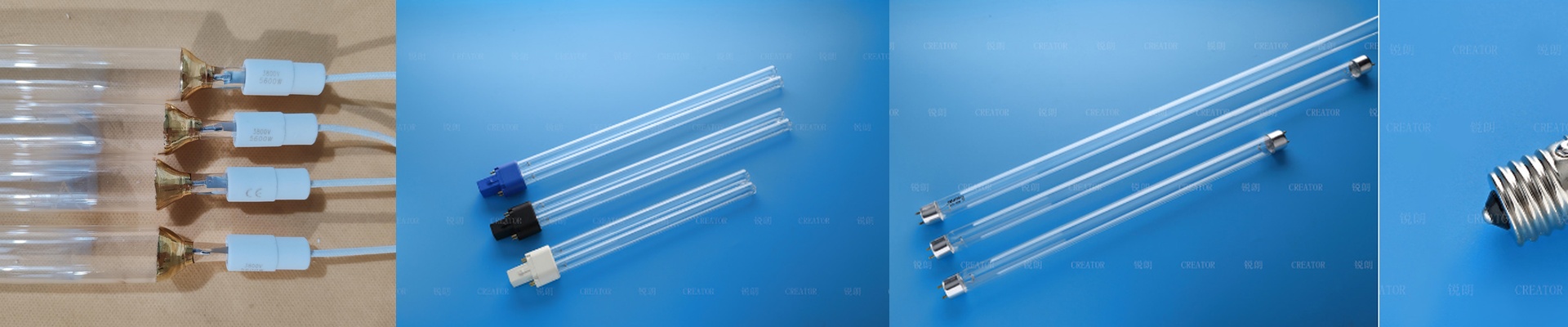
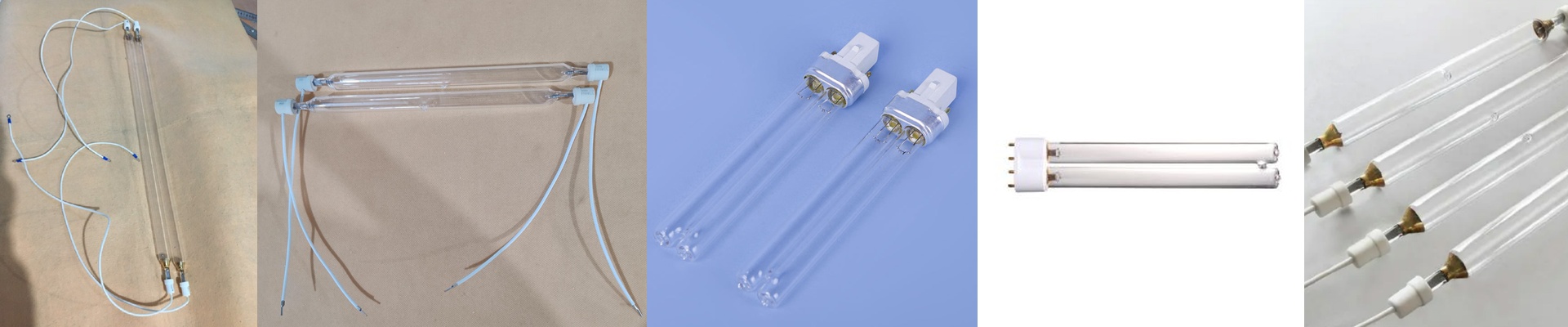
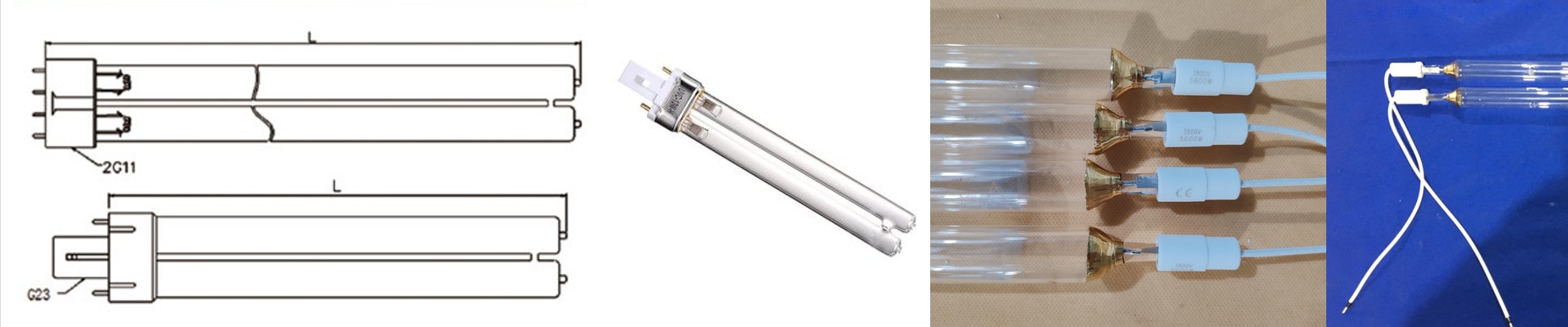
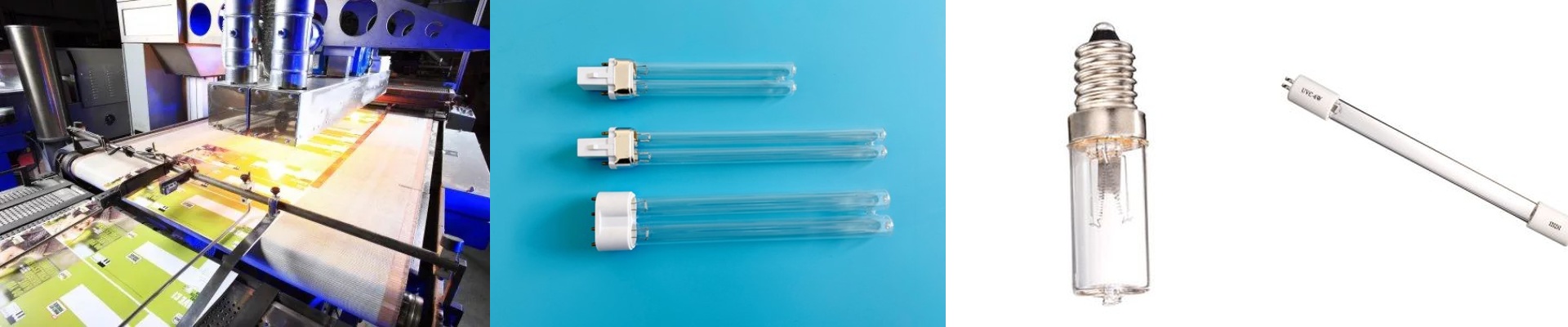
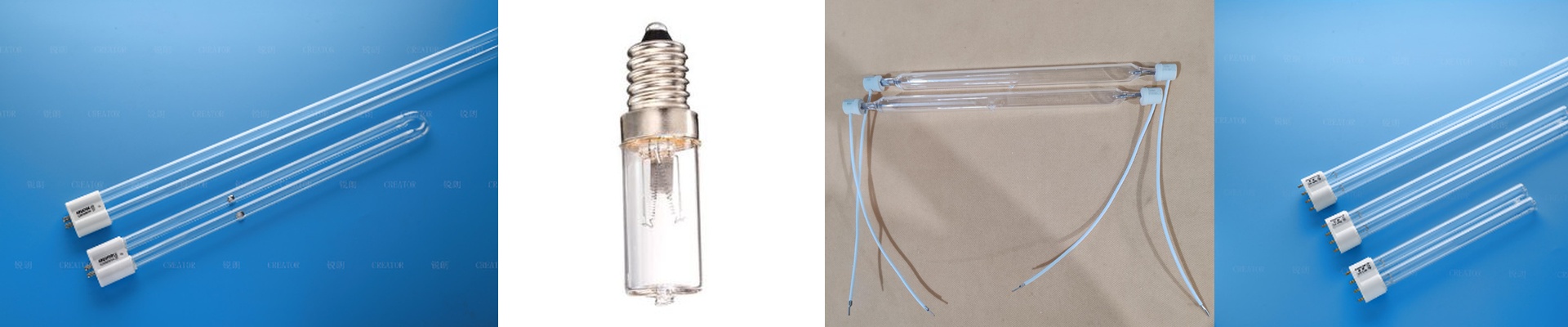
Stop Guessing With Your UV Lights
For the longest time, germicidal UV bulbs have been pretty “dumb.” You plug them in, they glow, and you just hope they’re actually doing their job until it’s time to swap them out. If you’re managing hundreds of these fixtures across a big facility, that’s a nightmare. You’re basically flying blind. But things are changing. We’re finally getting to a place where these lamps can actually talk to us—telling us how much energy they’re using and if they’re still healthy.
How the “Smart” Part Actually Works
Here’s the thing: the bulb itself isn’t doing the thinking. It’s all about the ballast and the sensor loop. Think of it like this. UV-C lamps wear out. A bulb might look perfectly fine—it’s glowing, it looks bright—but the actual germ-killing power has dipped below the level needed to kill pathogens. It’s glowing, but it’s not working. By keeping an eye on the voltage and current at the socket, we can spot that dip. When the energy profile starts acting weird, the system pings you. You get a heads-up to change the bulb before your sterilization fails, not after.
The Messy Reality of Installation
Now, it’s not all magic. Adding IoT chips to these fixtures makes the wiring a bit more crowded. You can’t just pop in a new bulb and call it a day; you need a ballast that can actually handle data. It takes up a bit more space in the ceiling or the wall. And then there’s the heat. UV ballasts get hot. Like, really hot. If you don’t have the right heat sinks, those fancy sensors will drift or just fry themselves. In a poorly cooled setup, your electronics will give up long before the quartz tube does.
Why This Matters for the People in the Trenches
For the engineers on the floor, this is a massive relief. No more replacing every single bulb every 9,000 hours just because the manual said so, even if the bulb was still perfectly good. Instead, you only touch the ones that actually need it. It saves money on parts. It saves your team from climbing ladders for no reason. Plus, when the auditors come knocking, you don’t have to scramble. You just hand them a data log that proves everything was running exactly as it should.