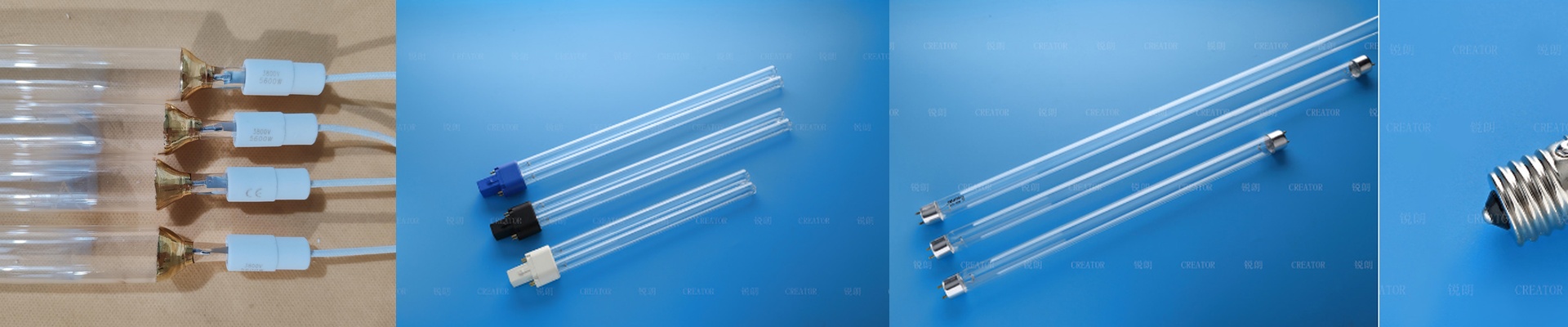
More Than Just Drying Ink: The Real Deal With UV Energy
Most people think UV tech is just for drying ink fast. But if you look closer, it’s actually a precision tool for changing things at a molecular level. Whether you’re running a sterilization line or a high-speed conveyor, you’re basically playing with photon density and wavelengths to make a specific chemical reaction happen.
Getting the Wavelength Right
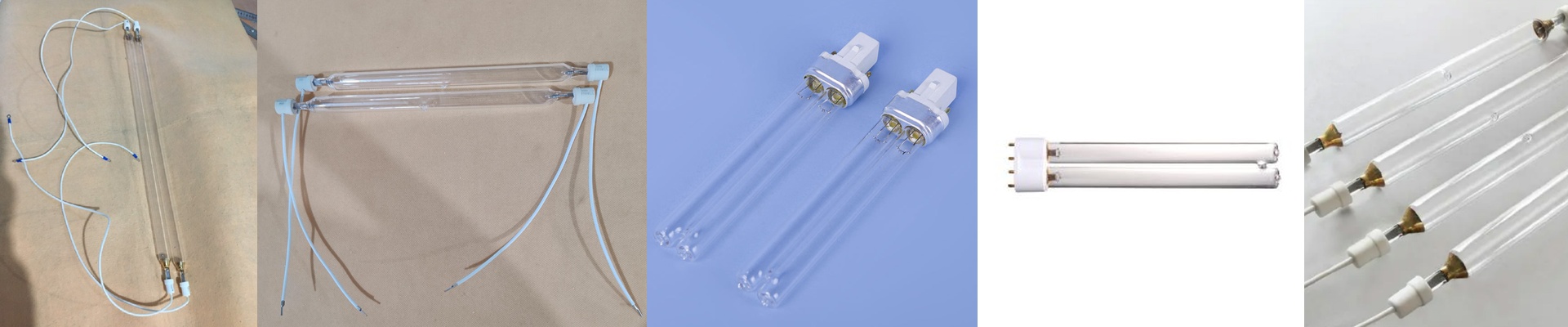
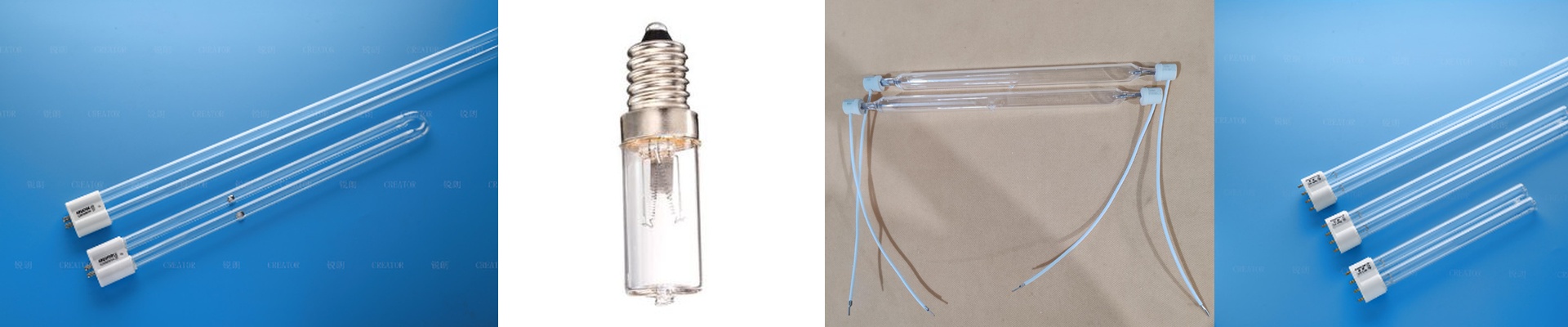
Here’s the thing about wavelengths: they have to be exact. Standard curing uses UVA and UVB to kickstart those photoinitiators in your resins. But if you’re sterilizing, you need UVC—specifically around 254nm—to actually break apart microbial DNA. We build our systems to keep these bands separate. Why? Because if your wavelength drifts even a little, you’re in trouble. You’ll either fail your bio-burden test or end up with a coating that feels tacky to the touch. There’s no middle ground. It either works, or it doesn’t.
The Heat Struggle
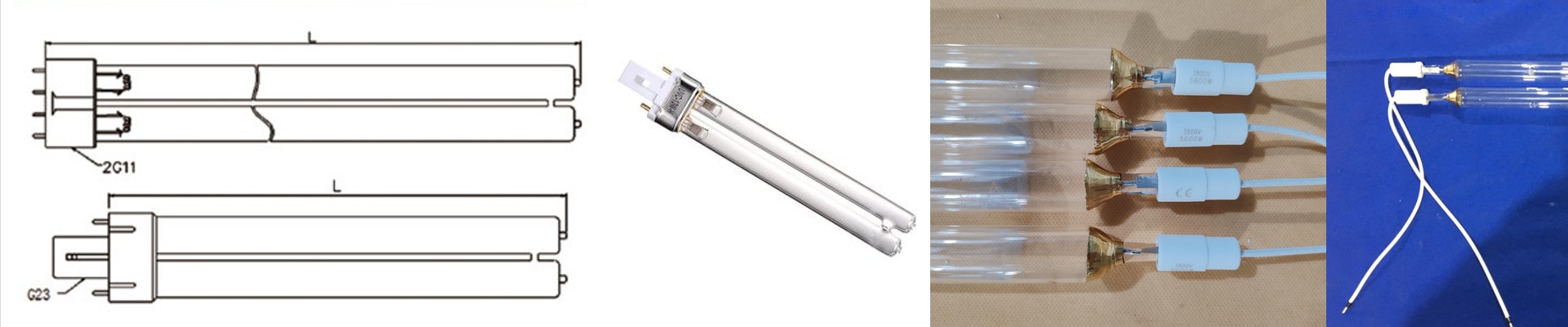
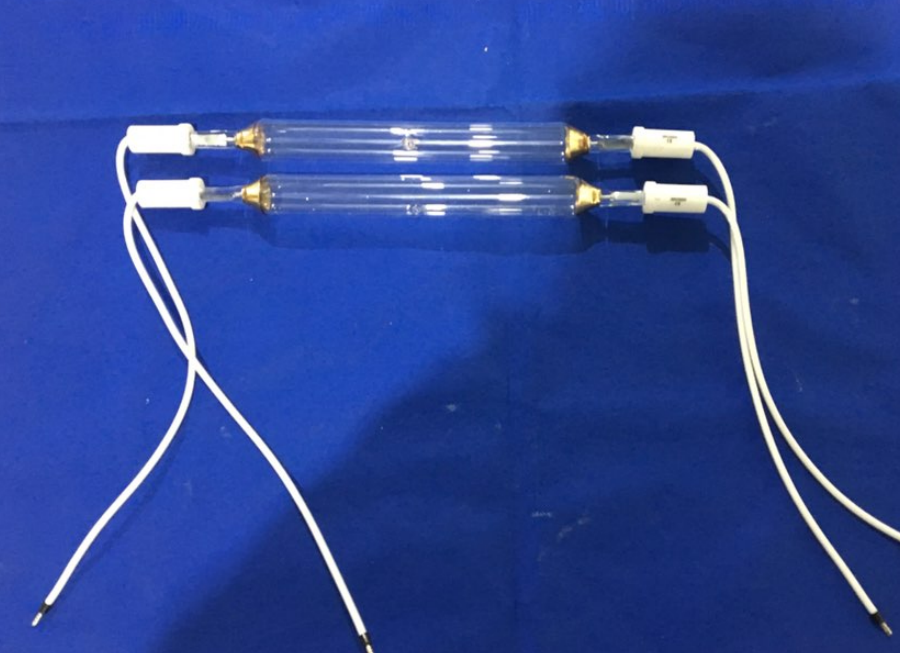
It sounds simple: more wattage equals more speed. But there’s a catch. High-output UV lamps gethot. Like, really hot. If you crank up the irradiance to shave a few seconds off your cycle time, you risk warping or overheating your parts. To stop that from happening, we use reflected optics to focus the beam exactly where it needs to go, and we blast the substrate with forced-air cooling. You’ve got to make sure your cooling system can actually handle the wattage of your lamps, or you’re just going to melt your product.
Making the Factory Actually “Smart”
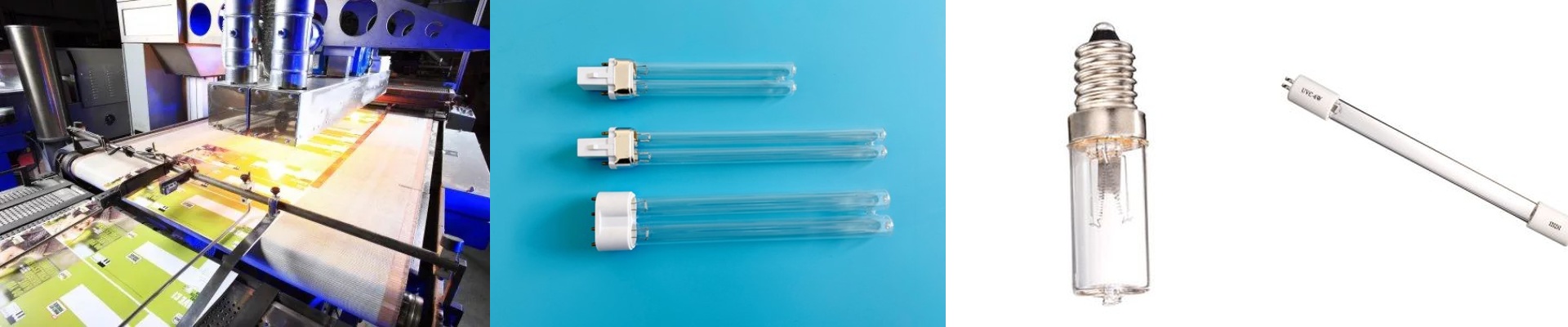
For a long time, UV was a “set it and forget it” game with a simple timer. That’s old school. Now, we’re putting real-time radiometers right into the line. These sensors talk directly to the PLC and adjust the power based on how fast the belt is moving. So, if the conveyor slows down, the lamps dim automatically. No more burnt parts or over-curing. This turns a basic lamp into a source of actual data. Instead of guessing or relying on manual coupons, you get a digital record of the exact dose every single part received. It’s just a better way to make sure every piece coming off the line is exactly the same.