Getting Your UV Curing Right (Without the Headaches)
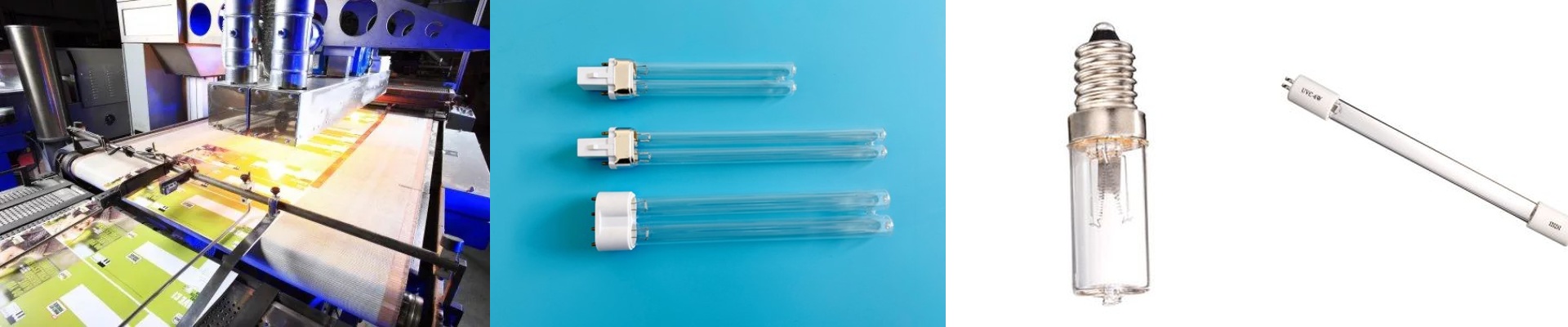
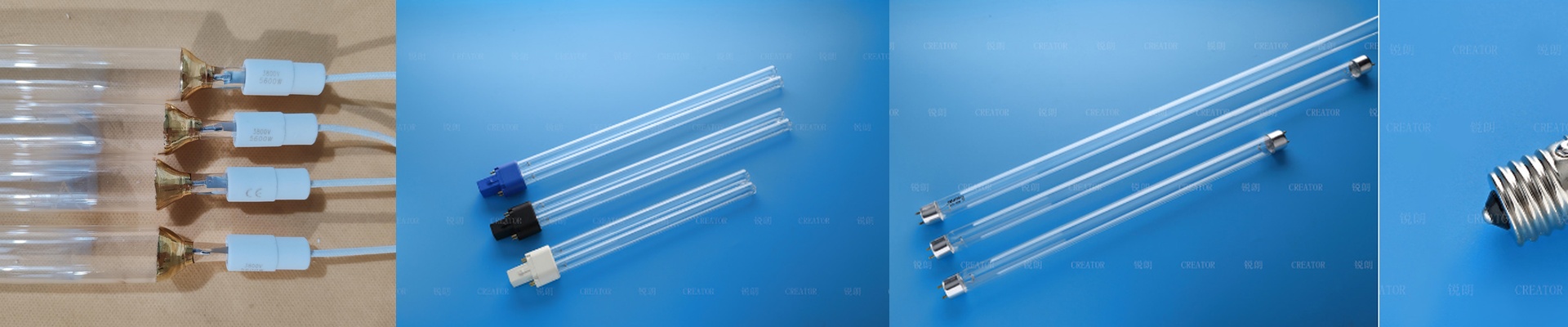
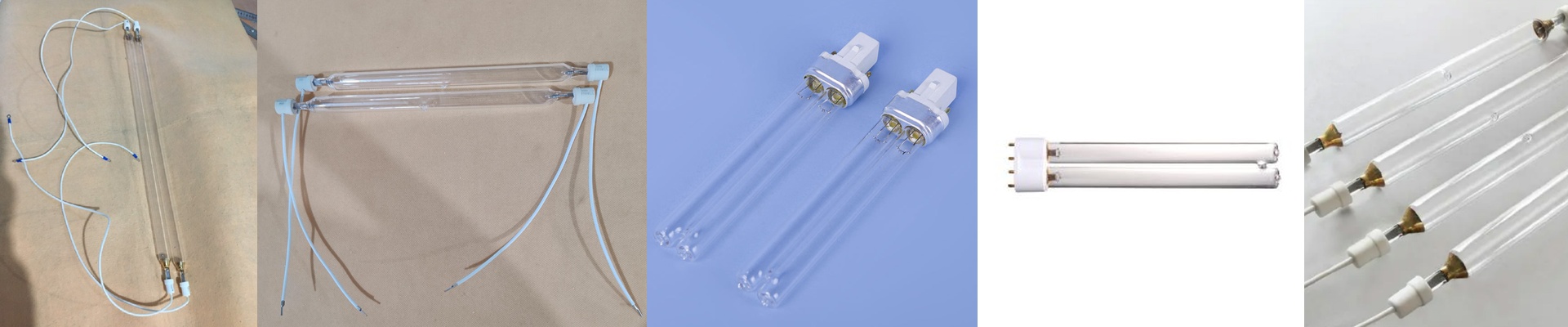
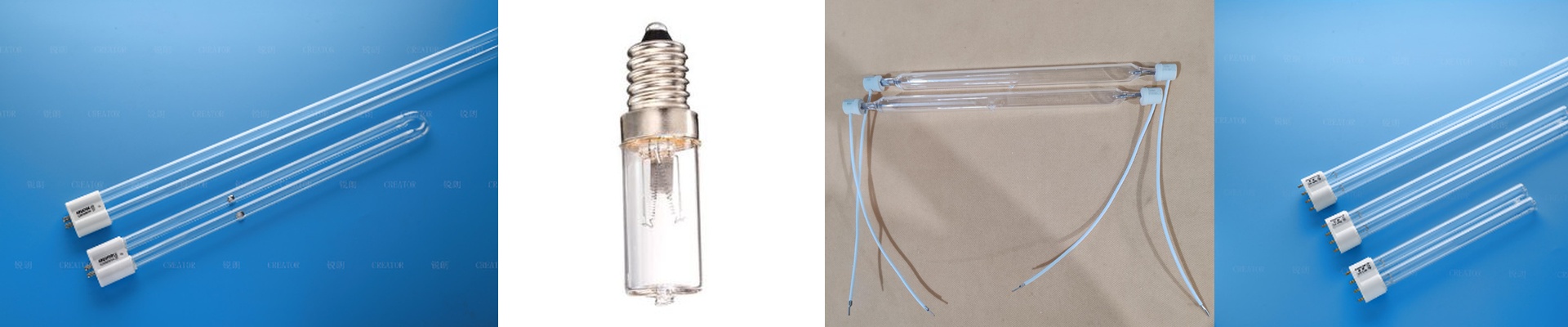
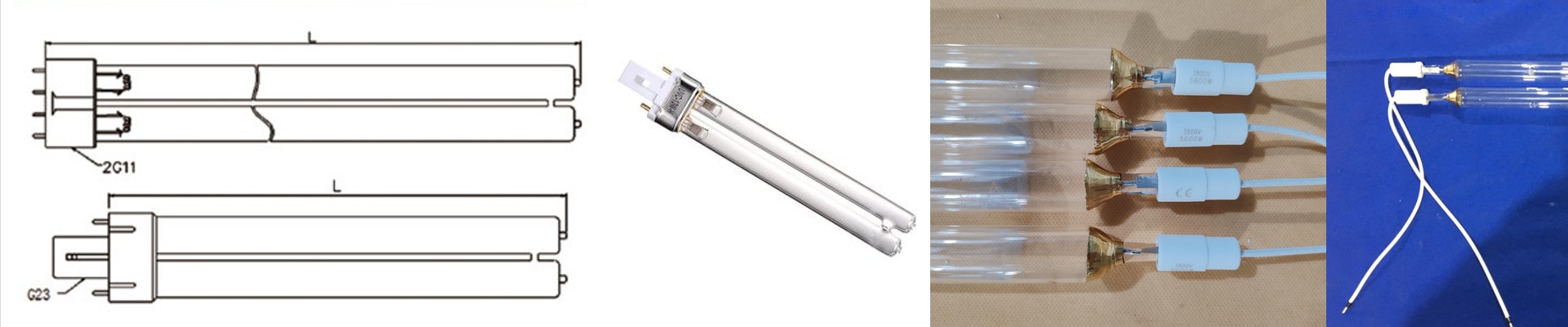
In industrial printing, everything comes down to how fast your ink dries. If the polymerization doesn’t happen instantly, you’re in trouble. You end up with smears, peeling, or ink that just won’t stay put. That’s where we come in. We build UV lamps that hit the exact spectral sweet spot needed to trigger that chemical reaction the second the ink hits the light. The grit behind the glow It really comes down to the balance between wattage and how stable the arc stays. If you’re running a high-volume line, you need serious irradiance to keep your speeds up. We spend a lot of time obsessing over the lamp length and power density because that’s what actually drives your throughput. We also tweak the electrode positioning very carefully. Why? Because nobody wants “dead spots” where the ink stays wet while the rest of the sheet is bone dry. It’s all about getting a perfectly even wash of UV across the entire web. Dealing with the heat For the envelopes, we use high-purity fused quartz. Most glass would just soak up the shortwave UV radiation, but quartz lets it pass right through. It takes a beating—constant heating and cooling—but it’s the only material that stays clear when things get hot. But here’s the thing: these lamps aren’t just lights. They’re basically heaters. If your cooling blowers or water-jackets aren’t up to the task, that quartz envelope is going to stress out and eventually crack. It’s a mess you don’t want. That’s why we’re big on following a strict cooling schedule. It keeps your gear from burning out way too early. Making it work in the real world We know you don’t have time to rebuild your entire setup. Our lamps are designed to be simple drop-in replacements. We make sure the pin setups and footprints match the OEM specs, so you can just wire them in and get back to work without messing with your racks. We also focus on getting a stable arc ignition. It takes the pressure off your ballasts, keeps your power draw steady, and means your electrical components actually last. Simple as that.