Dealing with Electrical Noise in Your UV Setup
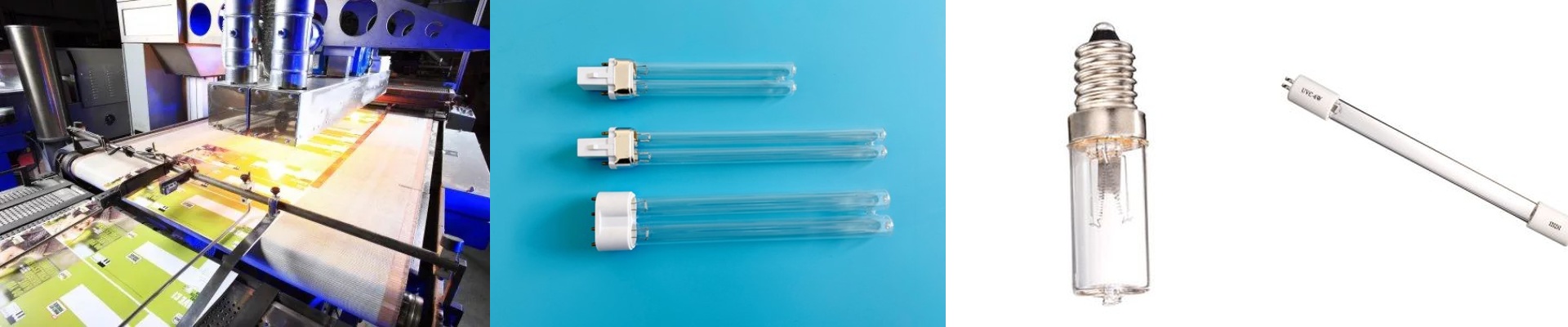
If you’ve got a few large printing presses running in one shop, you know how chaotic the electrical environment can get. Between the high-frequency ballasts and the power supplies, there’s a lot of “invisible” noise—electromagnetic interference—flying around. If your UV lamps aren’t built to handle that, things go sideways quickly. You’ll see flickering, lamps that burn out way too early, or those annoying ghosting marks on your prints. It’s a headache you don’t need. Stopping the crosstalk Here’s the thing: when you have multiple units firing at once, they tend to talk to each other in all the wrong ways. You get voltage spikes and distortions that mess with the flow. We handle this by building heavy-duty shielding and filtered circuitry right into the power system. It basically acts as a wall, stopping the interference from one press from leaking into the control boards of the one next to it. Keeping things steady Stability is everything. If your power fluctuates and the UV output dips—even by a tiny bit—your ink won’t cure. That means reprints. That means wasted money. To stop that, we use high-grade quartz envelopes and a specific electrode shape. It keeps the arc centered and the light steady, no matter how much the input power is jumping around. The trade-off I’ll be honest with you: you can’t get this kind of protection in a tiny package. High-end filters and suppressors take up space. You’re going to need a bit more room in your control cabinet to fit the shielding. It’s a fair trade for peace of mind, but it’s something to plan for. Why this actually matters on the floor At the end of the day, nobody wants a line to stop because a lamp blew out due to a power surge from the machine next door. By toughening up the electronics, we get rid of that unplanned downtime. You just wire them up, set your intensity, and they stay put. It doesn’t matter how many other presses are humming in the room—your gear just works.