Dealing with Electrical Noise in High-Density UV Curing
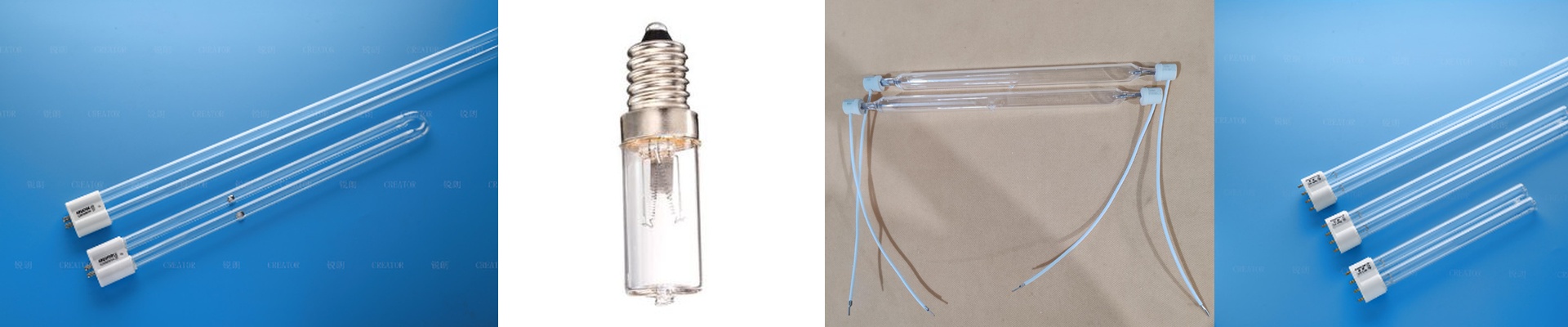
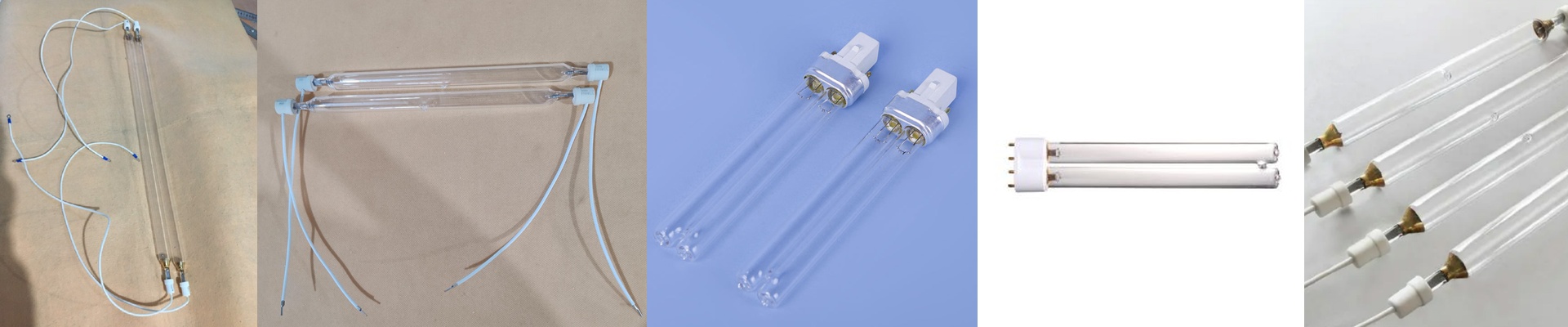
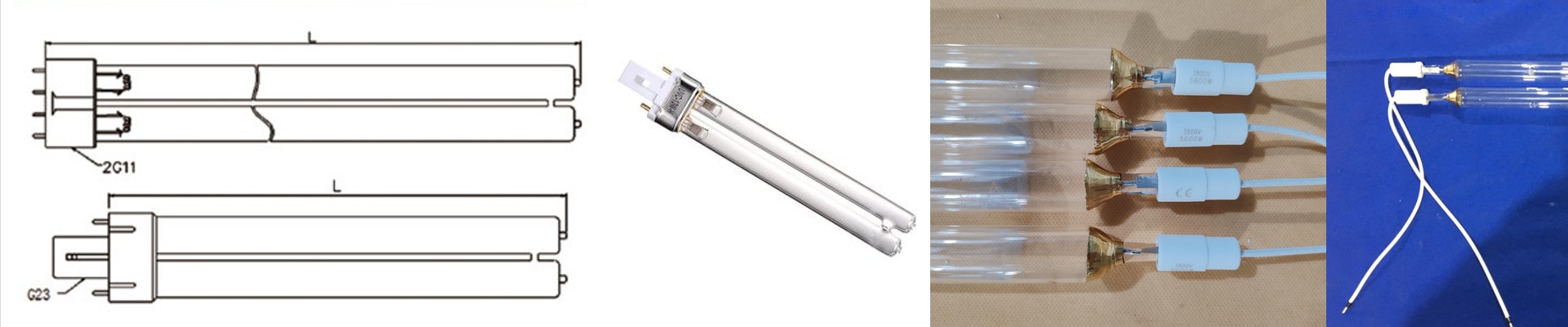
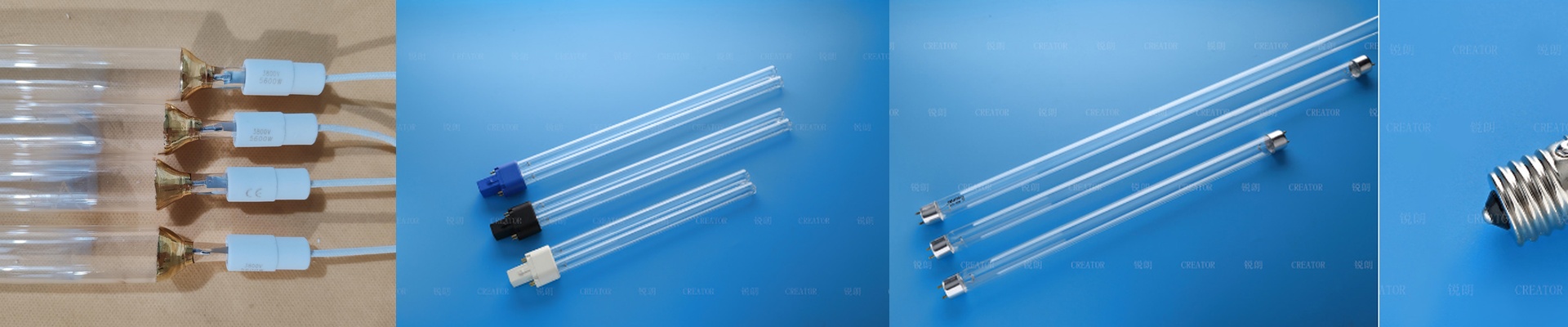
Most of us rely on 80W/cm mercury UV lamps to get the job done. When you’re running just one, it’s easy. Everything works. But things get messy when you’ve got a whole fleet of large-scale printing presses running in the same building. Suddenly, your shop is an electrical jungle. Between the high-frequency ballasts and the heavy motors, you’ve got electromagnetic interference (EMI) flying everywhere. If you’ve ever seen your lamps flicker or had a ballast die way too early, this is usually why. Keeping the arc steady Here’s the thing: keeping a plasma discharge steady at 80W/cm is a balancing act. You need the voltage and current to be just right. If the lamp picks up too much of that electrical noise from the shop floor, the arc starts to wander. That’s when you get those annoying “zebra stripes” on your prints. It’s frustrating, and it wastes material. To stop that, we tweaked the electrode geometry and the gas mix inside the quartz. It basically makes the lamp “deaf” to the noise. Even when the power grid is screaming because five other presses are running, your lamp just stays lit. Real-world results Let’s be honest. Your print shop isn’t a sterile lab. It’s loud, it’s busy, and it’s chaotic. We built these lamps to handle that. We used internal components that can take the voltage spikes you see every day in industrial settings without flinching. You’ll feel the difference in the consistency. The UV output stays flat across the whole tube. No dipping. No flickering. Just a clean, steady cure. The catch Now, this kind of stability doesn’t happen by magic. You have to be strict about your ballast matching. If you try to save a few bucks by pairing these with cheap, off-brand power supplies, you’re throwing the stability benefits right out the window. And please, check your cooling. 80W/cm puts out a massive amount of heat. If your airflow is sluggish, that quartz is going to overheat—no matter how steady the electrical arc is. Keep it cool, and it’ll keep working.