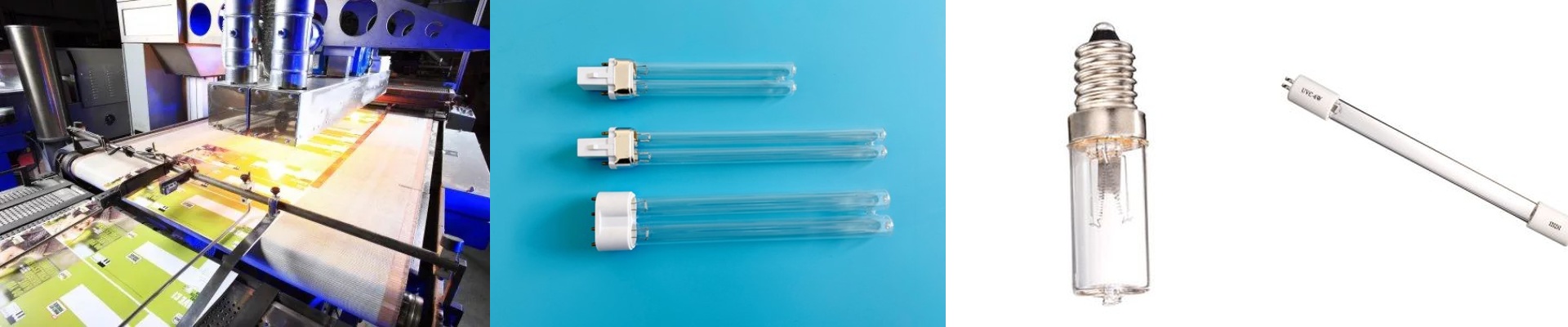
Making Mercury UV Bulbs Actually Work for You
Let’s be honest: standard mercury UV curing bulbs are the unsung heroes of the factory floor. They do the heavy lifting, turning wet inks and coatings into solid, cured surfaces in a heartbeat. It’s not glamorous, but it’s what keeps the line moving.
The Secret to a Longer Life
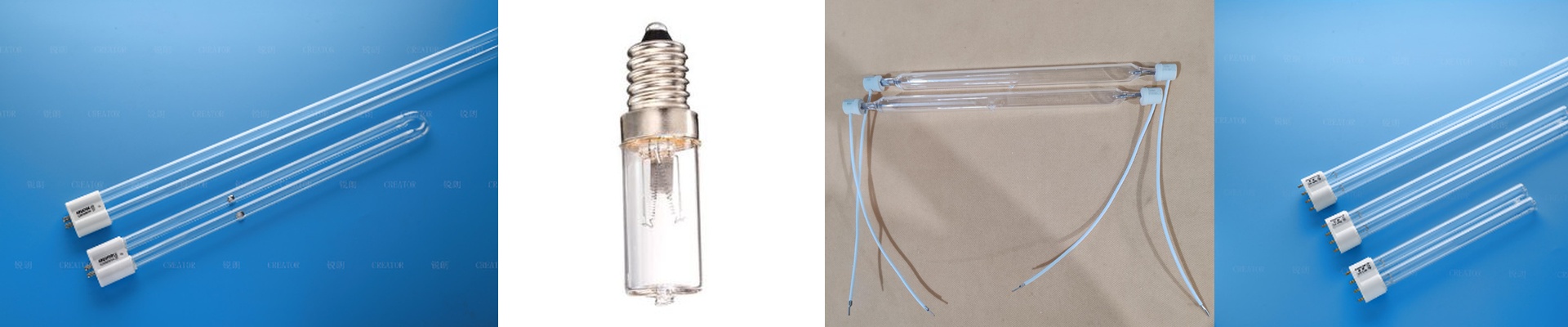
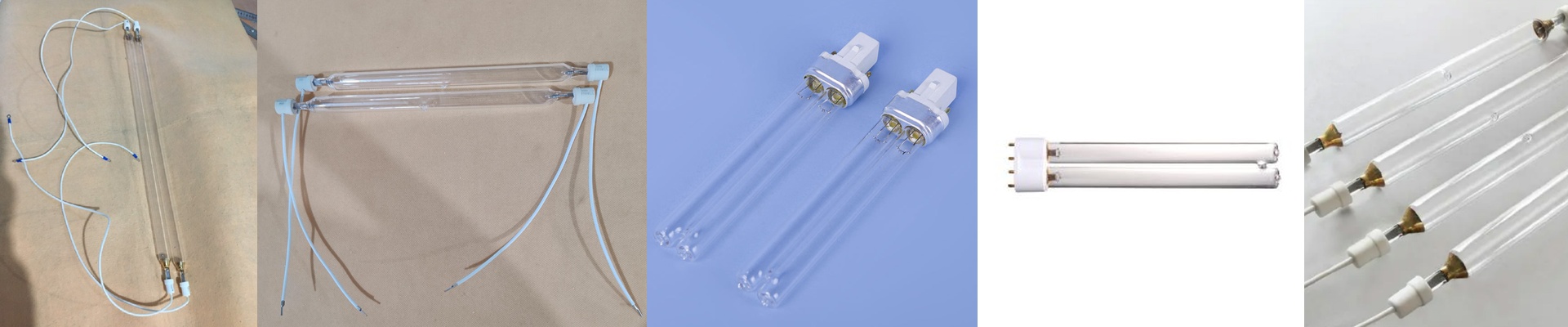
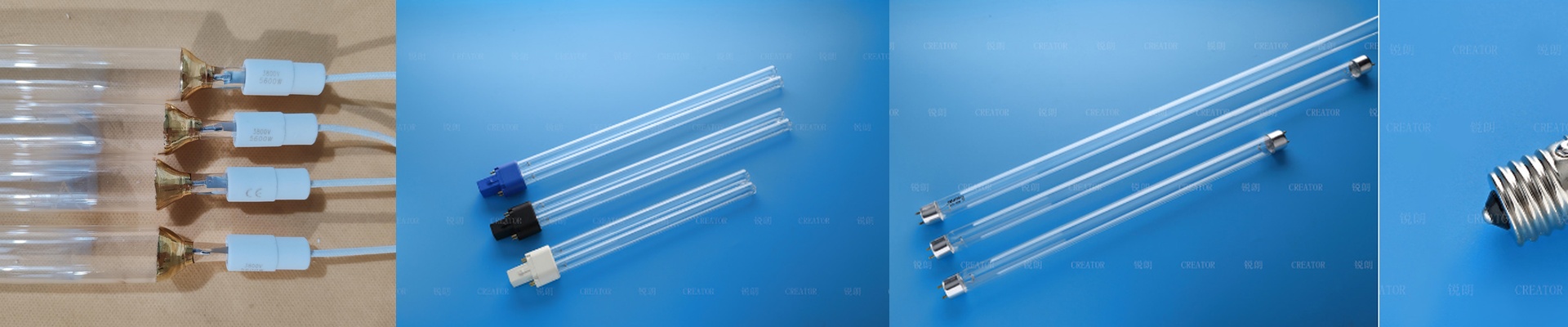
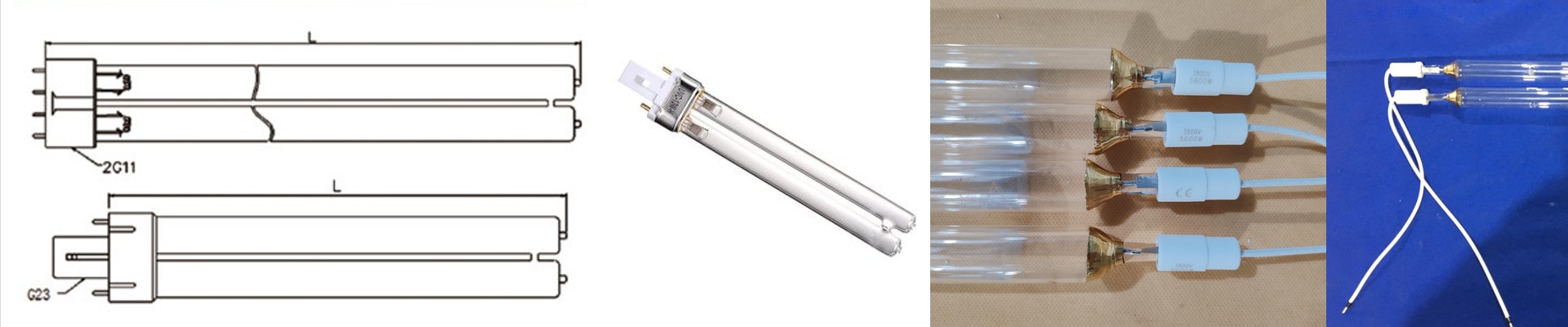
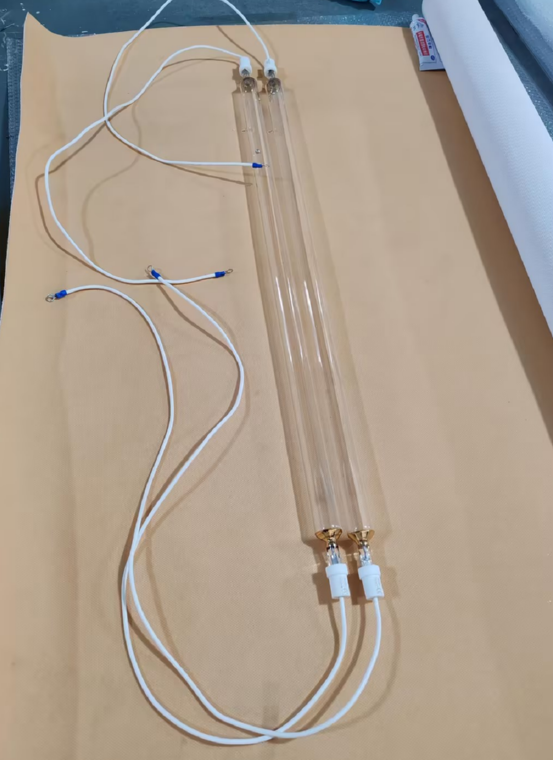
Getting these lamps right is all about a delicate dance between gas pressure and heat. We use high-purity synthetic quartz for the glass because regular glass clouds up. Nobody wants a foggy bulb that blocks those critical 254nm and 365nm light peaks from hitting the coating. And if you’ve ever wondered why some bulbs die faster than others, it usually comes down to the electrodes. We spend a lot of time tweaking the tungsten filaments and the mercury fill. Why? Because it keeps the light steady for longer. It’s simple: the longer the bulb lasts, the less often you have to stop production to swap one out.
Cleaning Up the Process
We’re also trying to be a bit kinder to the planet. That means stripping out the nasty additives and moving toward materials that don’t leave a toxic trail behind—both while we make them and when you eventually toss them. Here is the real win, though. A bulb that lasts 20% longer isn’t just a convenience. It means 20% less hazardous waste in your bins. It makes your waste logs a lot easier to deal with, which is a win for everyone.
Heat, Speed, and a Few Tips
These bulbs are powerful. They give you the punch you need to run your lines fast. But there’s a catch: they put out a lot of IR heat. If you’re working with plastics that warp when they get too hot, you’ll need to double-check your cooling fans or chilled air setups. You don’t want your product curling up just as it’s curing. The best part is that these are drop-in replacements. You just wire them into your existing ballasts, flip the switch, and they’re at full power in seconds. One last thing—keep your reflectors polished. There’s no point in us engineering a perfectly stable beam if a layer of dust is soaking up all the energy before it even hits the substrate.