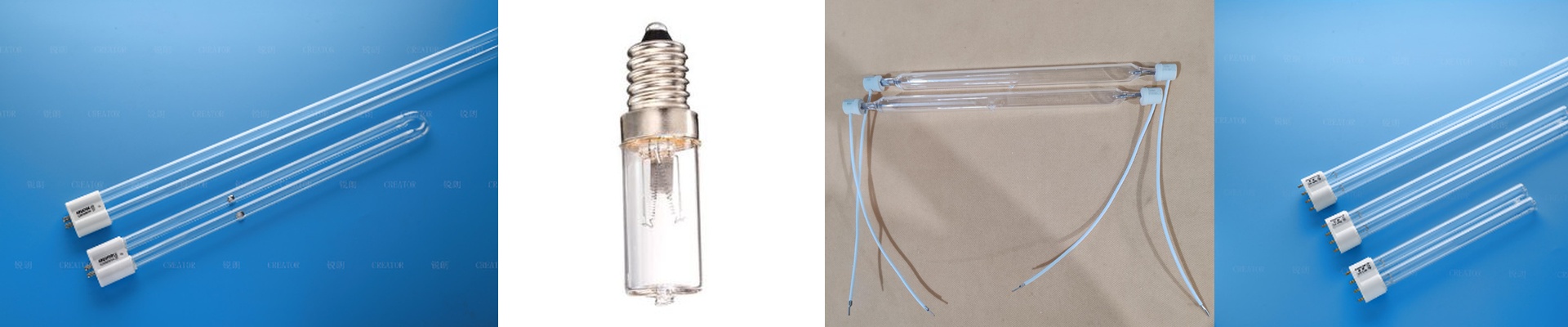
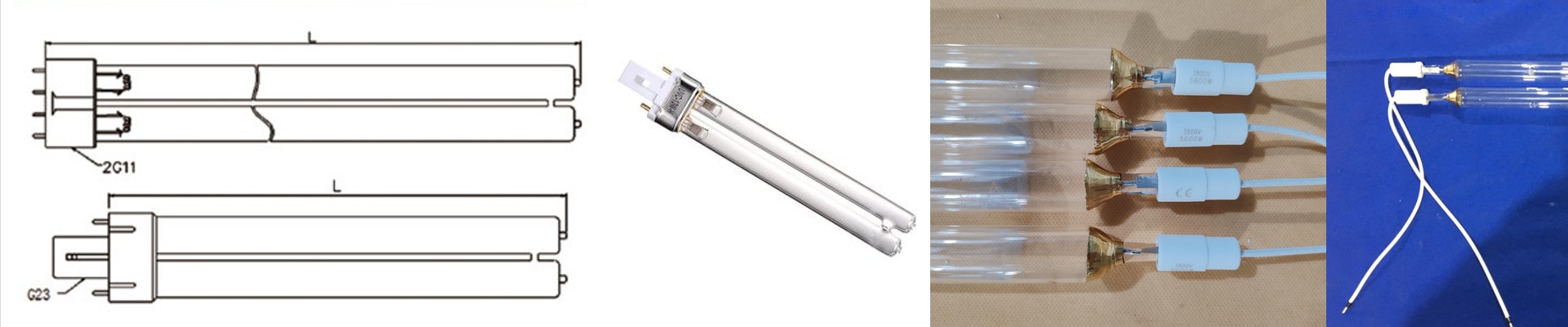
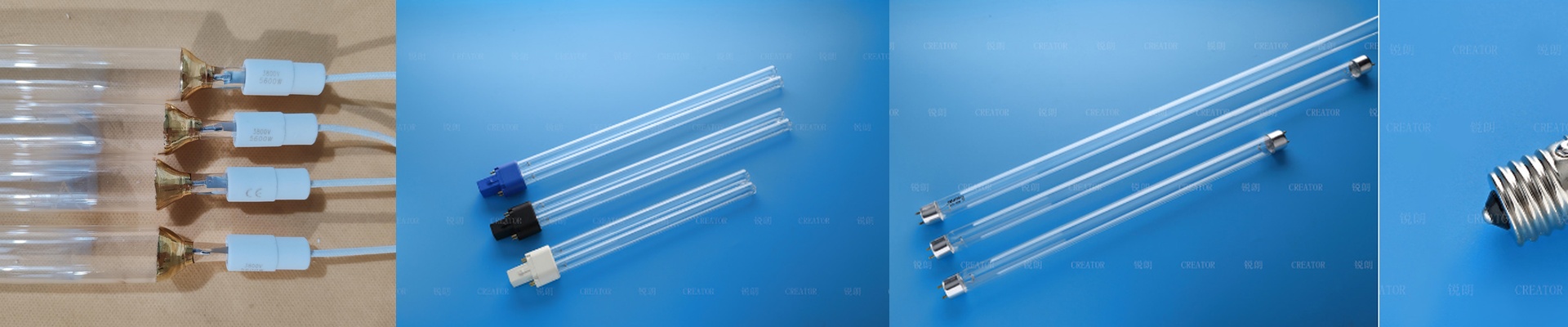
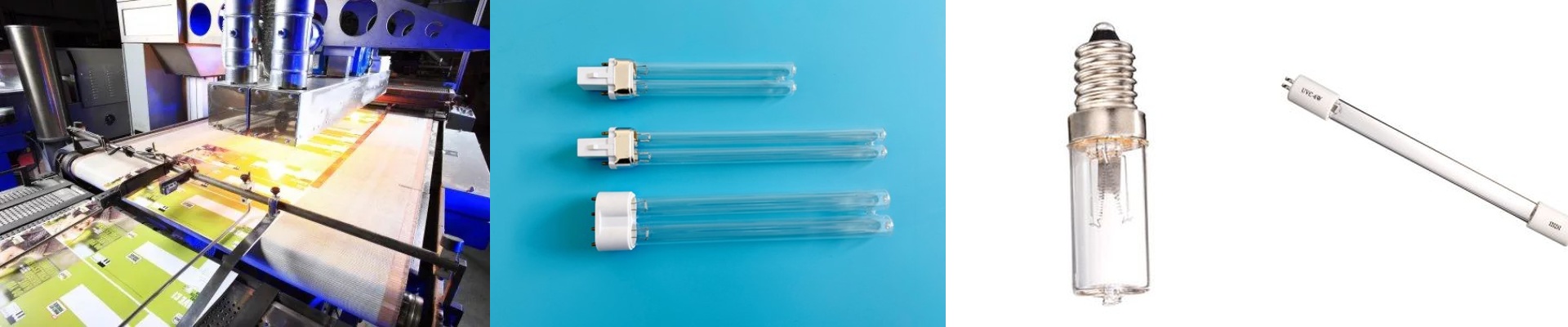
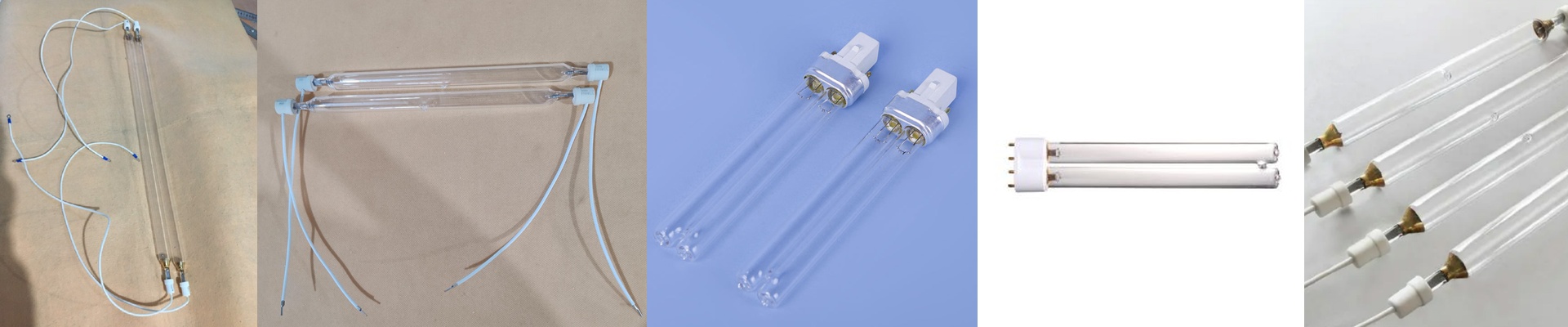
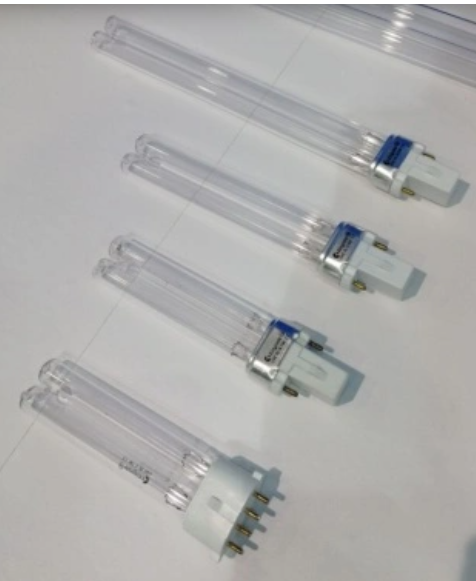
We’ve spent a lot of time on the road—visiting about 3,000 different printing plants—and we kept seeing the same headache over and over. Most UV systems are just too rigid. You’ve got these fixed-length lamps that rarely match the actual width of what you’re printing. It’s a waste. You’re burning power you don’t need and getting curing that’s patchy at best. So, we decided to scrap that old way of thinking and go modular instead. Here’s how the power side of things works. Instead of one big, dumb block of power, we use independent modules for every lamp segment. Think of it like this: if you’re running a narrower web, you just kill the power to the outer modules. It’s a simple move, but it saves a ton of electricity and keeps your tubes from burning out too fast. Sure, the wiring is a bit more complex and the control cabinet takes up a little more floor space, but if you’re running a line 24/7, the savings on your power bill make that extra footprint a no-brainer. Then there’s the heat. UV lamps get hot. Really hot. If you aren’t careful, that heat will warp your substrate right off the line. To stop that, we use aluminum heat sinks and forced-air cooling to keep things chill. We also put a lot of thought into the reflectors. We use a high-grade aluminum finish to keep the UV light aimed exactly where it needs to be: on the ink. We’ve seen way too many systems where the reflectors just oxidize and lose 20% of their punch in six months. With our setup, you can just swap out one damaged reflector insert without having to tear the whole rig apart. Keeping it running. We built these systems for the real world. You know, the kind of world where things get dusty and bulbs eventually burn out. You shouldn’t need a degree in electrical engineering just to change a lamp. We used plug-and-play connectors so your operators can swap a bulb in minutes and get back to work. One quick tip: just make sure your cooling fans are clear of dust and debris before you flip the switch. If the air can’t move, the heat will kill your new tube before it even gets a chance to work. We built these to take a beating, but they still need to breathe.