Getting Your UV Curing Right
When people think about industrial UV curing, they usually just think of “bright lights.” But it’s not actually about brightness. It’s about a match. Think of it like a lock and key. Your photoinitiator has a specific absorption peak, and your lamp needs to hit that exact spot. If you’re off by even 10nm, your cure rate tanks. Suddenly, your line slows down, and you’re losing money. That’s why we obsess over hitting those narrow spectral windows.
The Science of the “Sweet Spot”
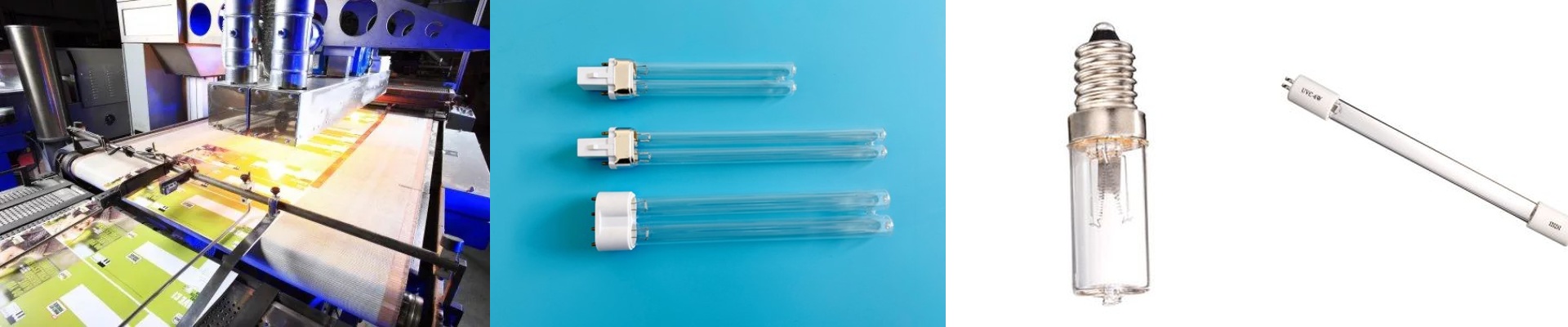
We keep our focus tight. Most industrial resins only really care about UVC (254nm) or UVA (365nm). We spend a lot of time tweaking the gas mixtures and electrodes so the energy goes exactly where it’s needed. The goal? Stop wasting energy as infrared heat. If the lamp gets too hot, your substrate starts to warp, and that’s a nightmare. We make sure the chemistry gets the energy, not the plastic.
Heat, Pressure, and Quartz
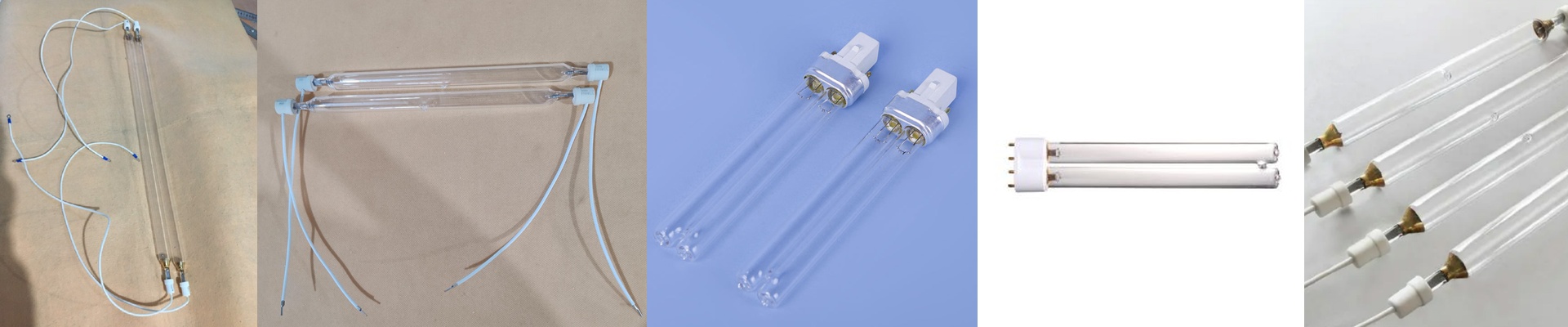
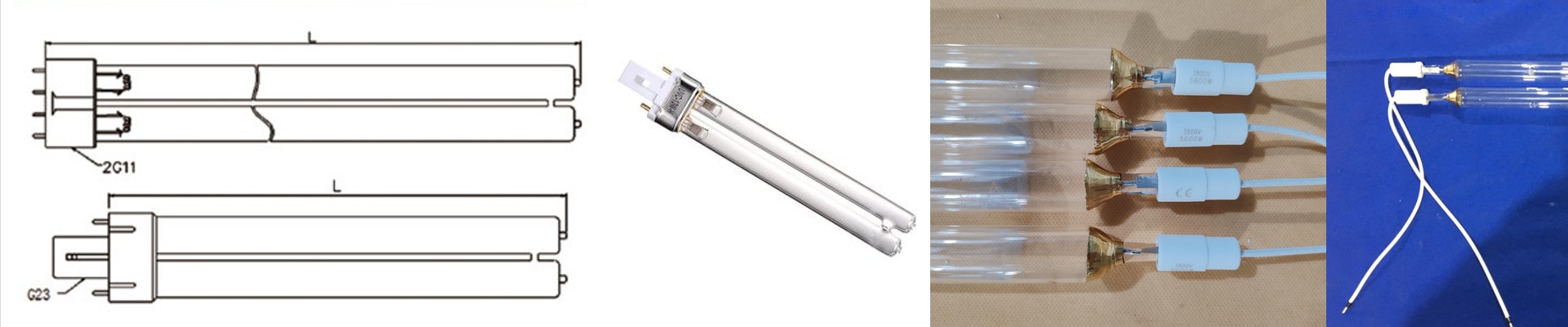
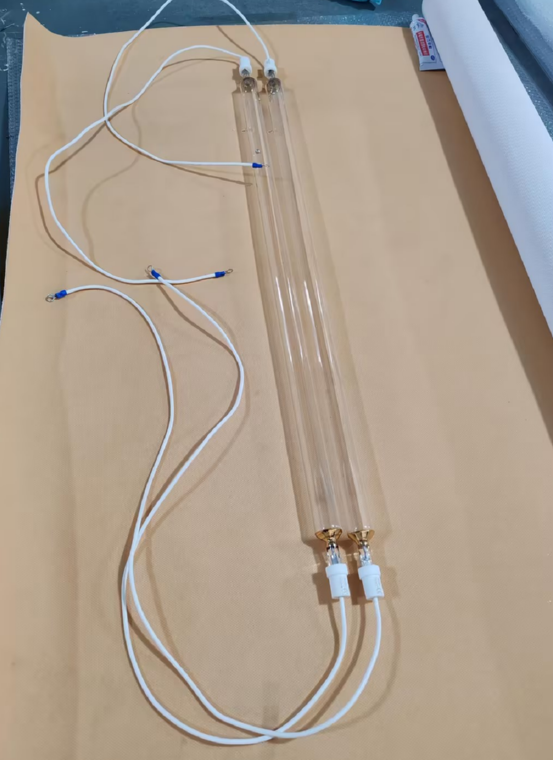
Let’s be honest: high-intensity UV lamps get hot. Really hot. To stop them from blowing out, we use high-purity quartz envelopes. These things are built to take a beating in a 24/7 production cycle. But here’s the catch: if you cram more wattage into a smaller space, you’re playing with fire. If your cooling fans aren’t pulling their weight, that quartz can crack from thermal shock. Keep your airflow steady, and your lamps will stay in one piece.
Fitting Into Your Line
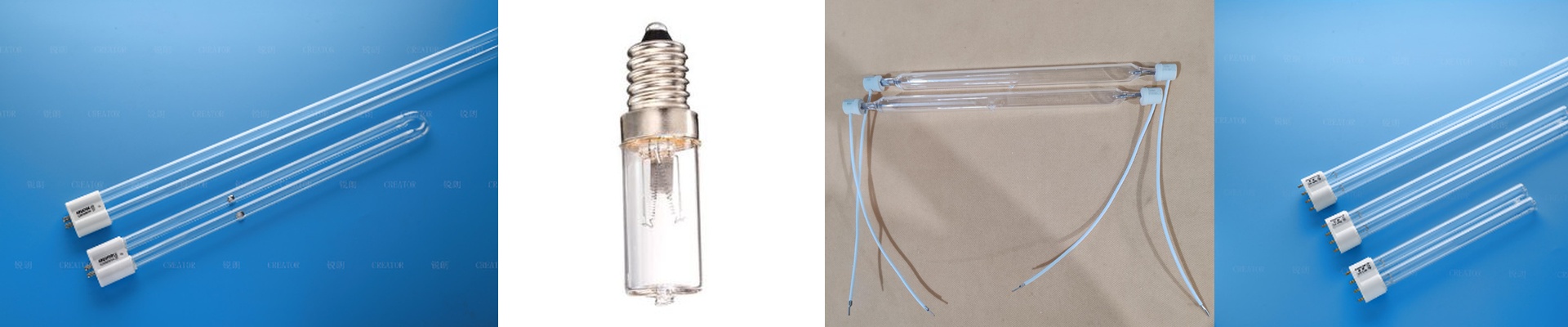
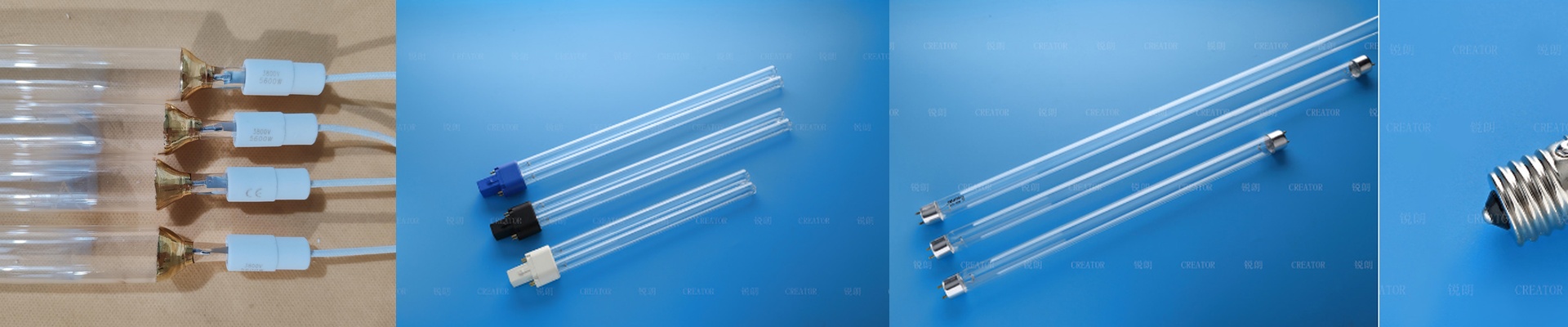
We don’t do “fluff.” We build these lamps to be simple drop-in replacements for the gear you already have. We tighten every connector to make sure there’s no arcing when the high voltage kicks in. Our main goal is stability. Why? Because if your power flickers, your cure depth changes. That means some parts are cured and others aren’t. We keep the output rock-solid so every single piece on that conveyor gets the exact same dose. At the end of the day, you just need a lamp that doesn’t drift. We test for degradation because the last thing you need is for your entire line to grind to a halt just because a lamp burned out too early.