Getting Your Mercury UV Lamp Costs Under Control
Let’s be honest: when you’re buying industrial mercury UV lamps in bulk, it feels like you’re just paying for glass and gas. But you know as well as I do that it’s actually about the stability of that discharge and how precise the quartz envelope is. The problem is that most wholesale prices are bloated because there are too many middlemen taking a cut. We decided to handle the whole production chain ourselves. Why? So we can cut those margins out and give you a price that actually makes sense.
The Nitty-Gritty of the Physics
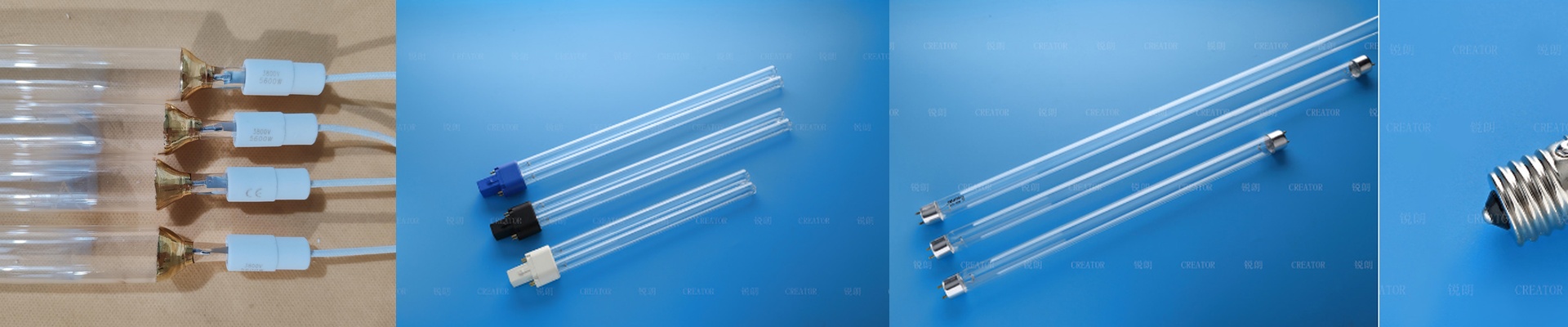
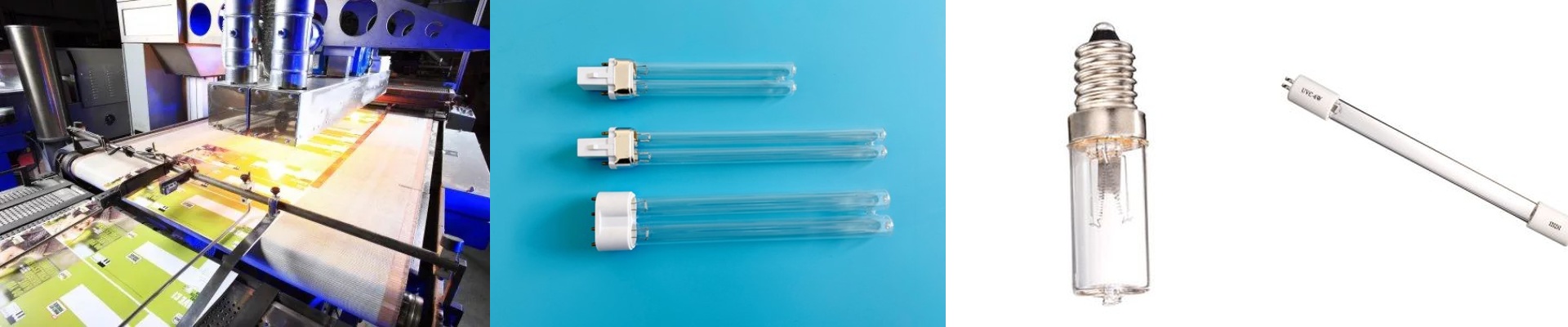
Here is how we handle the tech. We excite mercury vapor to get that short-wave UV radiation you need. If you’re doing germicidal work, we lock it in at the 254nm line. For resin curing, we open it up to broader UVC bands. We spend a lot of time tuning the wattage and voltage. If you get it wrong, your electrodes burn out way too fast. Now, high-wattage tubes are great for keeping your conveyor belts moving quickly, but they’re hard on your ballasts. Just make sure your power supply matches our voltage specs. If it doesn’t, you’ll deal with flickering and lamps that die long before they should.
What Goes Into the Build
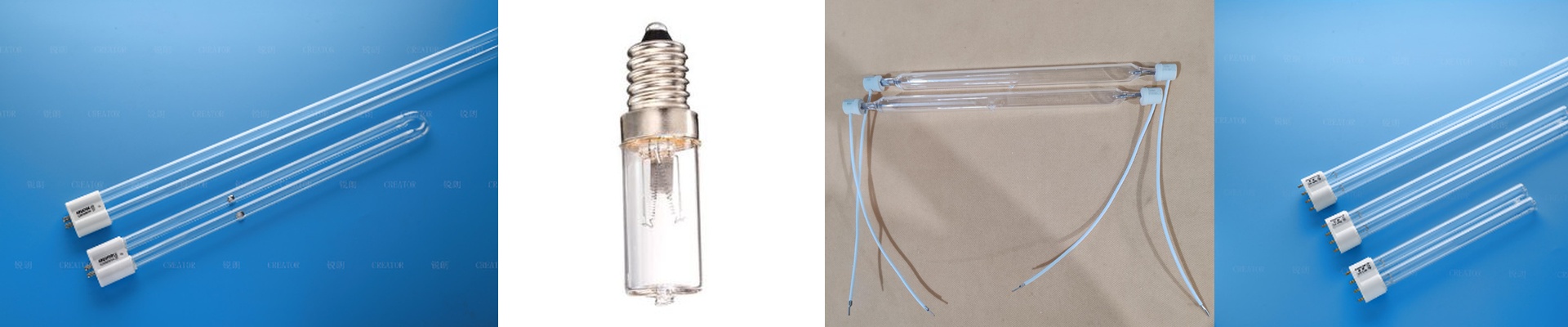
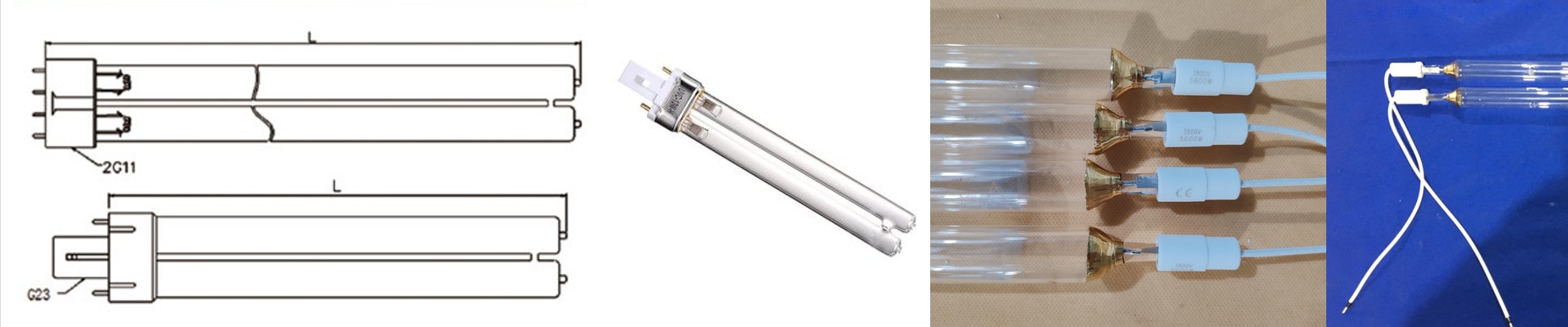
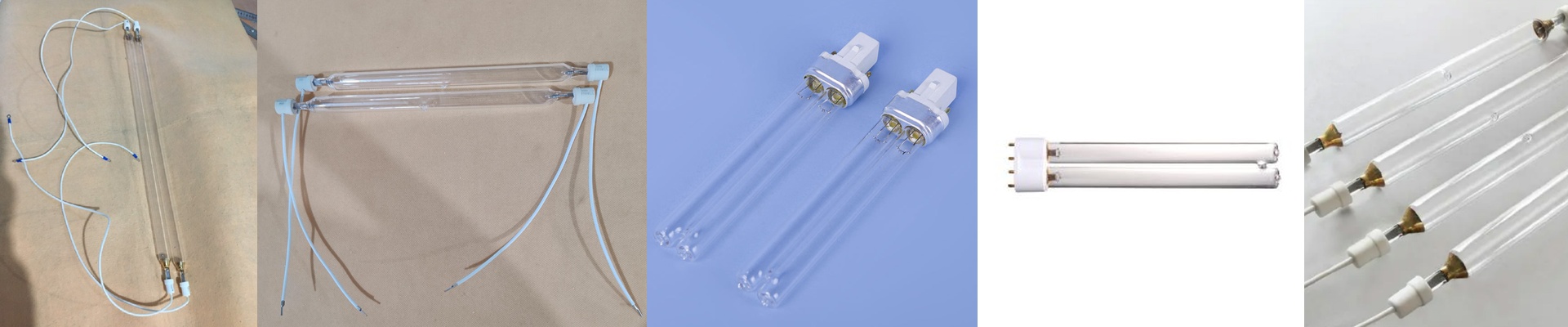
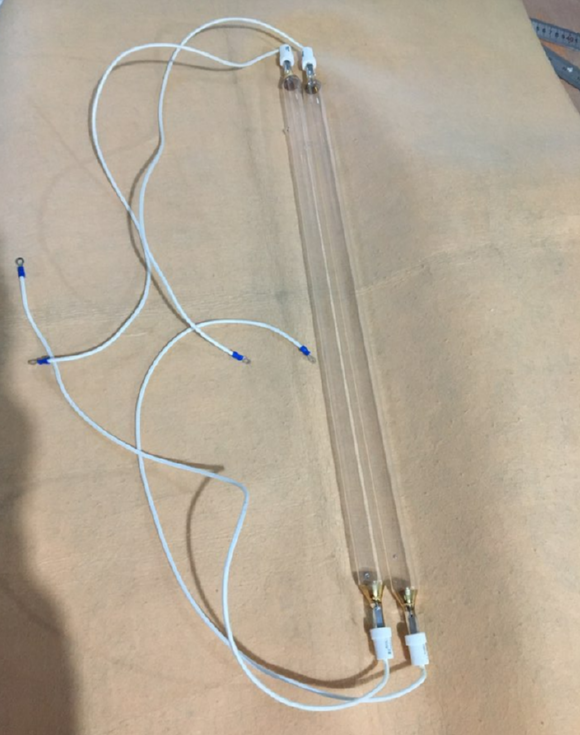
We use high-transmittance fused quartz. It’s a simple choice, but it matters—it stops the glass from soaking up the UV energy that’s supposed to be hitting your product. For the electrodes, we use tungsten. It’s the only way to handle the thermal shock that happens every time you flip the switch on and off. We also offer a bunch of different end-cap options, so these should just slide right into your existing fixtures without any fuss. One thing to watch out for: heat. If you’re running these in a scorching environment, the quartz expands. We build in a bit of a tolerance so the glass doesn’t just crack the moment it hits operating temperature.
The Trade-offs You Should Know
Buying wholesale is a smart move for standardizing your production lines. It just makes life easier. But there’s a catch. High-output lamps gethot. Really hot. If you crank up the wattage to speed up your throughput, you’ve got to make sure your cooling fans can keep up. If the airflow is weak, the lamp temperature spikes. When that happens, the spectral output shifts and your curing efficiency drops. You end up working harder but getting worse results. It’s a frustrating loop, but easy to avoid if you get the cooling right.