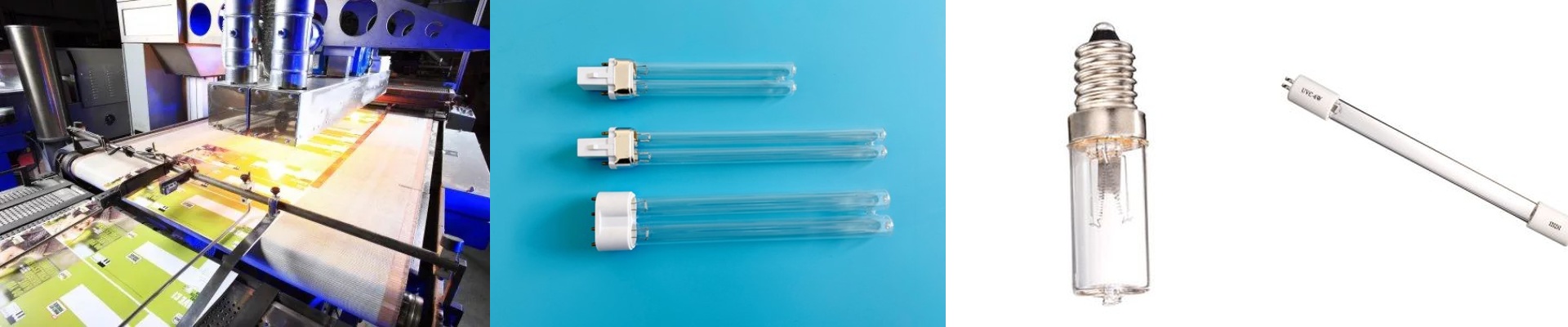
Making UV Lamps That Don’t Trash the Planet
For a long time, making custom UV lamps in China was all about the numbers. How many can we pump out? How fast? But that approach leaves a mess. Most industrial lamps are built with materials that either leak toxins or just burn out way too fast, which means your team is constantly swapping them out and your machines are sitting idle. We decided to stop doing that. We’re moving toward a zero-pollution way of building things. It’s a shift toward materials that are actually safe and a design that lasts.
Getting the materials right
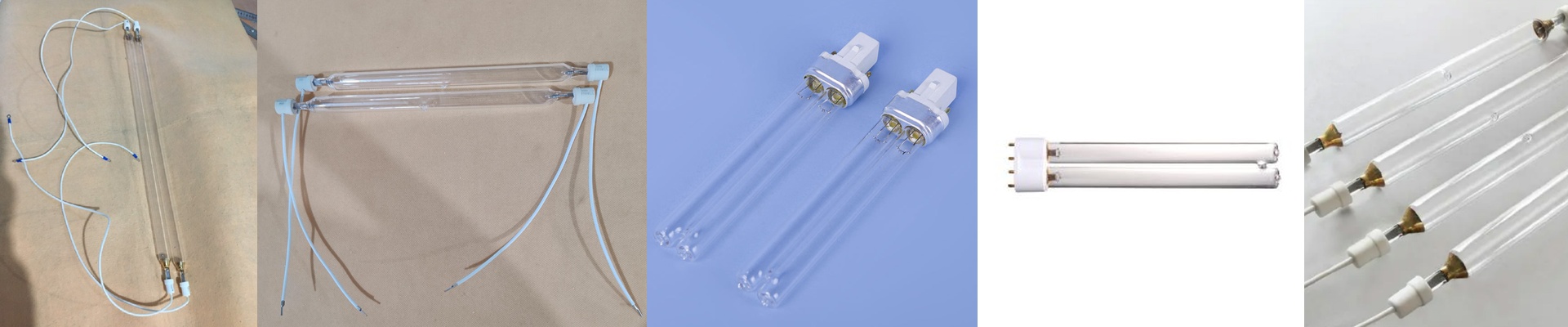
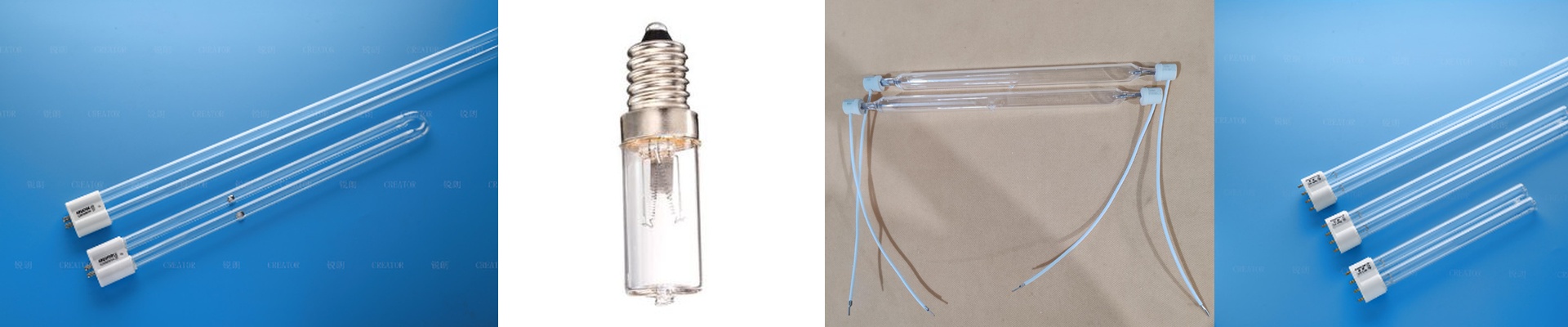
Old-school lamps are often full of stuff that shouldn’t be there—non-recyclable parts and chemicals that can leak. We’ve tossed those out. Now, we’re using high-purity quartz and, whenever we can, mercury-free options. We also spent a lot of time tweaking the gas fill and the electrodes to keep the chemical footprint small. And then there’s the glass-to-metal seal. It sounds like a small detail, but it’s a big deal. By using lead-free alloys, we keep the manufacturing process clean. Plus, you don’t have to worry about the lamp off-gassing nasty particulates once it heats up and starts working.
Built to actually last
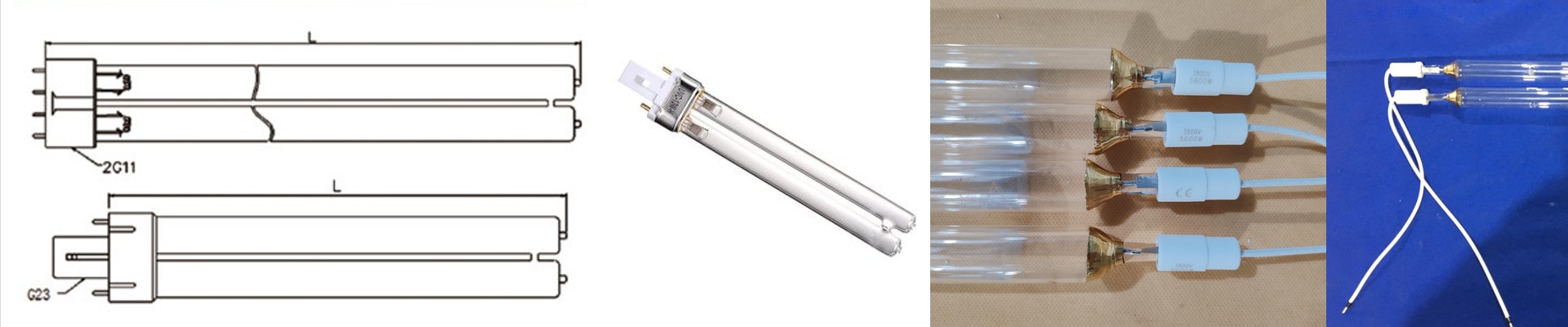
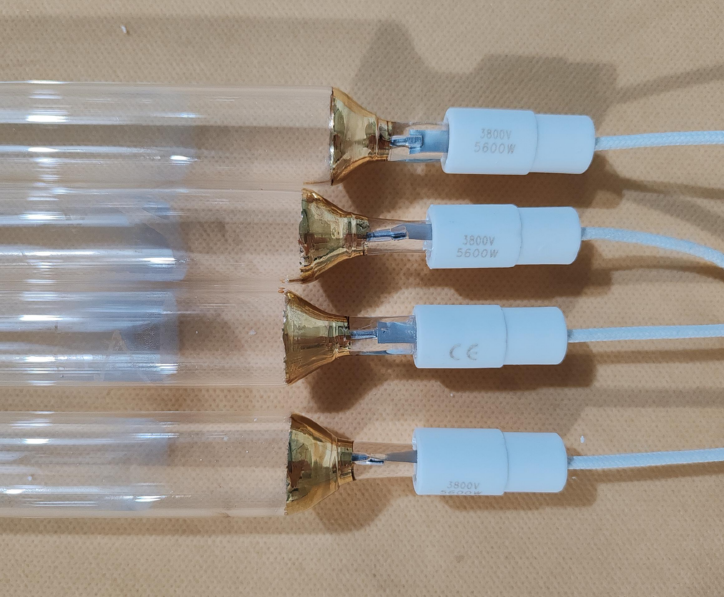
Engineering for the long haul means over-building the parts that usually fail. Take the electrodes. We reinforced the geometry to stop “sputtering.” If you’ve ever noticed your UV tubes losing their punch over time, that’s usually why. We fixed it. But it’s not just about the glass. We updated the end-cap seals so they can handle the constant heating and cooling without cracking. It means you aren’t crawling under machinery every few months to replace a dead bulb. You get a steady, strong UV output that stays consistent for thousands of hours.
The honest truth about the cost
Here’s the thing: using better materials and beefing up the electrodes costs more. You’re going to pay more upfront for one of these zero-pollution lamps than you would for some generic, cheap alternative. There’s no way around that. But look at the bigger picture. You stop paying so much for hazardous waste disposal. You stop buying replacements every few weeks. Your maintenance crew gets their time back, and when the environmental auditors show up, you can actually relax. It’s a bit more at the start, but it’s a lot cheaper—and cleaner—in the long run.