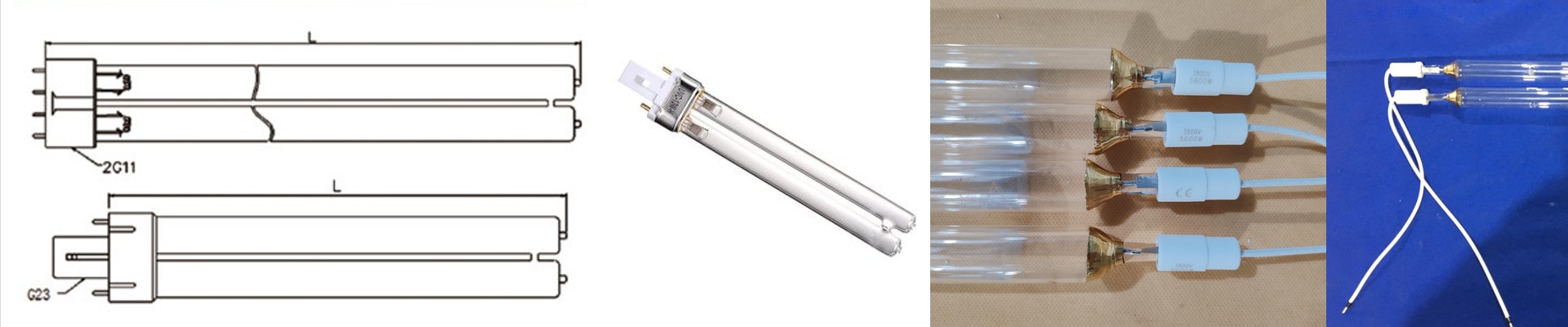
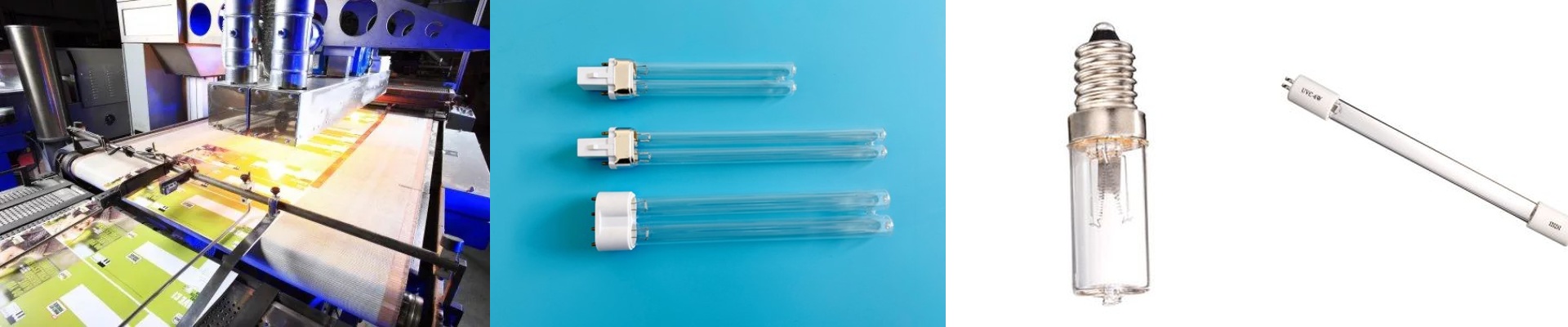
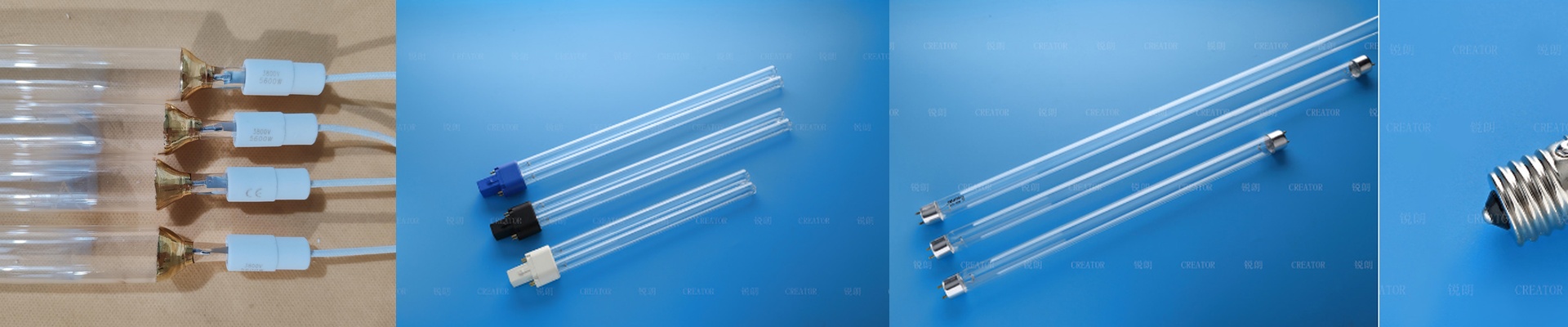
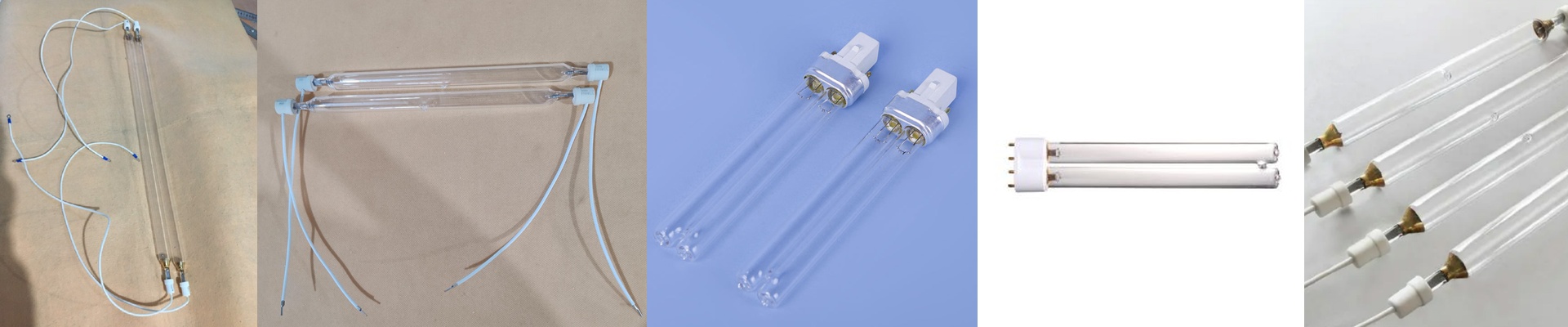
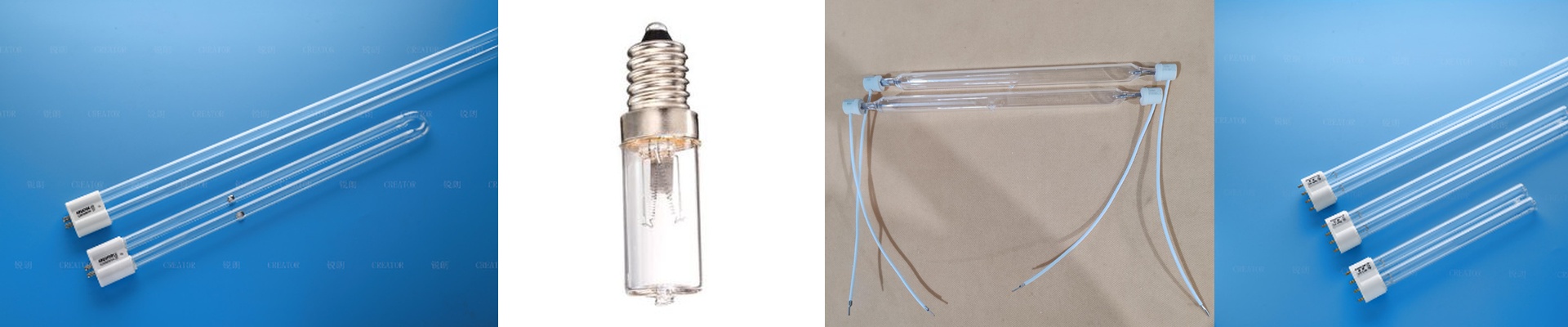
Getting the UV Spectrum Exactly Right
Most wholesale quartz lamps are “good enough.” They hit a general range and call it a day. But there’s a big difference between a lamp that just works and one that’s actually precise. Our R&D team has been obsessing over a 0.5% spectral energy concentration. Now, this isn’t about making the light brighter. It’s about making sure the photons hit the exact wavelength you need for curing or sterilization. If you miss that mark, you’re just wasting energy and creating heat you don’t want.
The nitty-gritty of the physics
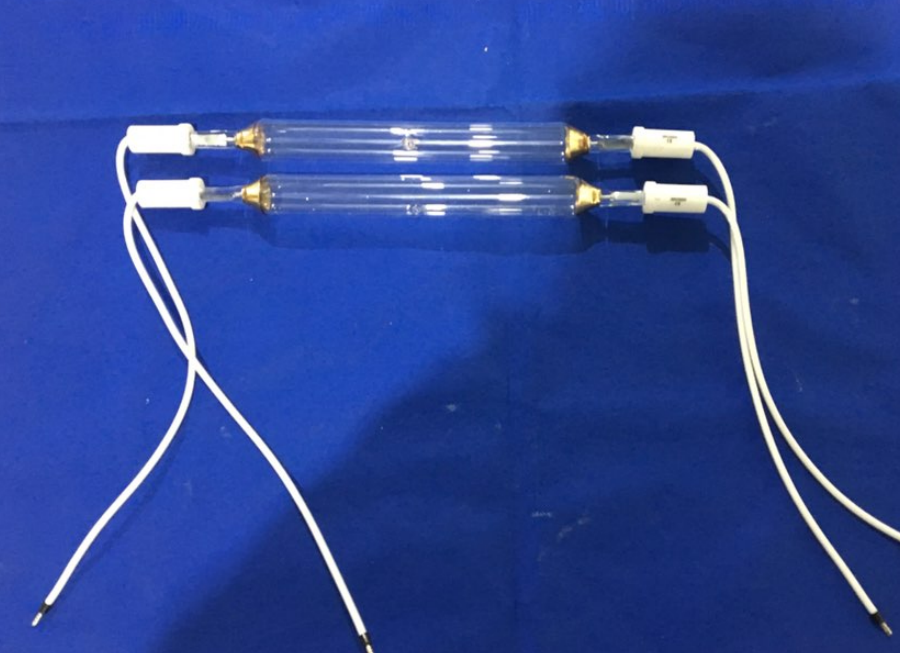
Hitting a 0.5% variance is a nightmare if you don’t get the basics right. We had to rethink everything—from where the electrodes sit to the gas fill ratios. Here’s the thing: if the tungsten filament is off-center by even a fraction of a millimeter, the arc starts to wander. You end up with “cold spots” and a spectral peak that shifts around. To stop that, we built a custom centering jig to lock the filament in place. It keeps the plasma discharge steady from one end of the tube to the other.
Pure quartz, pure energy
We use high-purity fused silica. Why? Because standard quartz usually has impurities that soak up specific UV bands. Instead of the energy doing its job, it bleeds off as infrared heat. By stripping those impurities out, we keep the energy focused. You get a much cleaner output. But there is a catch. High-purity quartz is a bit more temperamental. It doesn’t handle thermal shock as well as the cheap, doped glass you see everywhere. You can’t just slam the power from 0% to 100% or you’re risking a crack. You’ll want to make sure your ballast is set up for a gradual warm-up.
Putting it to work
We designed these as drop-in replacements. We spent a lot of time on the footprint and the pin-to-pin tolerances so you can just swap them in without having to rewire your entire rack. The real win happens on the production line. When you tighten that spectral concentration to 0.5%, your curing time drops. That means you can move more product through the tunnel faster, all without worrying about burning your substrate.