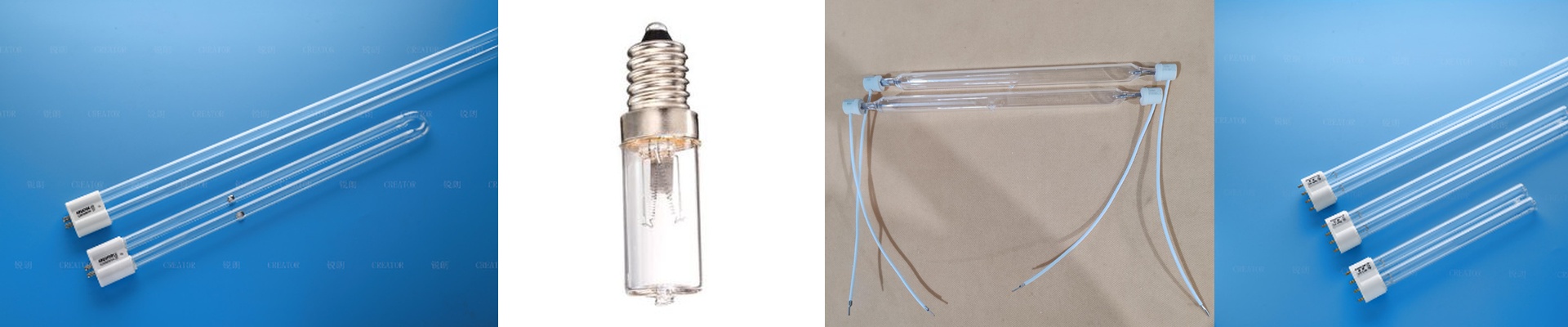
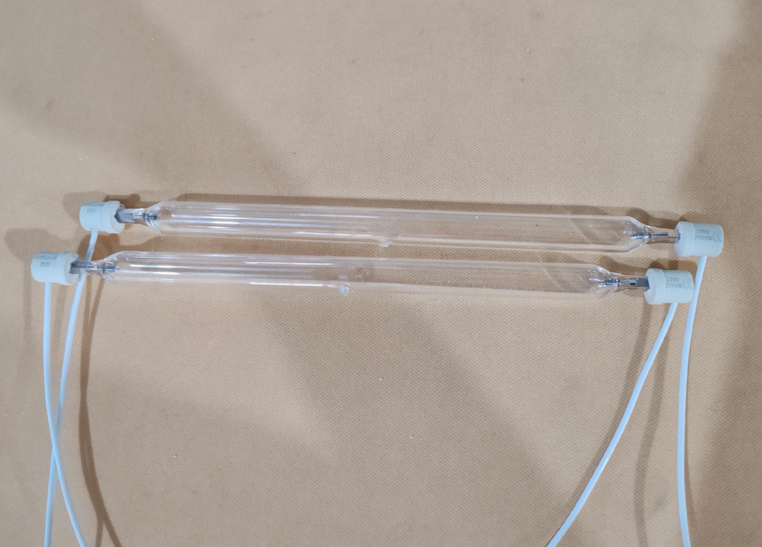
Keeping Your Team Safe Around UV Lamps
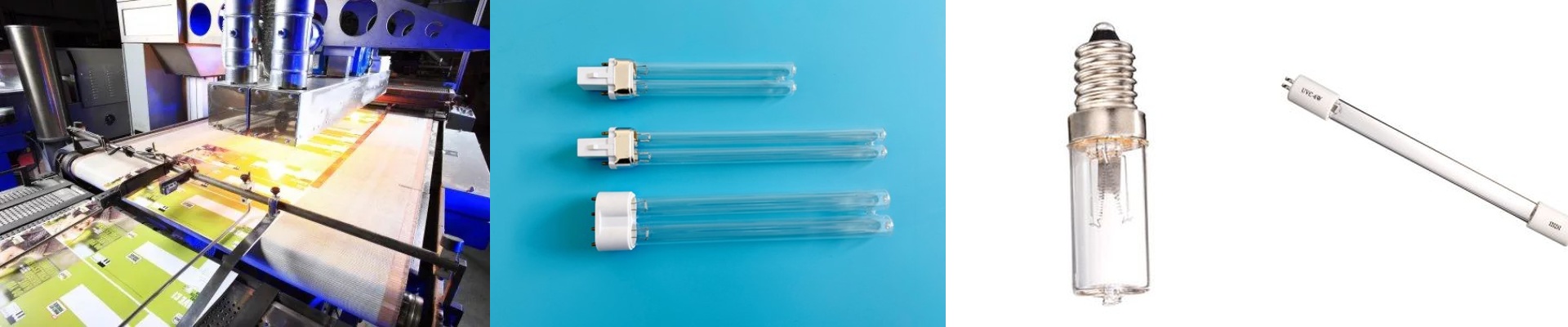
Let’s get one thing straight: UV-C lamps aren’t your typical light bulbs. They’re powerful. If you’re using them for sterilization or curing in your print shop, you’re dealing with shortwave radiation that can burn your skin or wreck your eyesight in a matter of seconds. That’s why we build our custom systems the way we do. We want your shop to get that high-end performance, but not at the cost of someone’s health. Stopping the Leak The biggest priority is making sure the light stays where it belongs. We use aluminum or opaque quartz housing to keep those UV-C rays locked inside the curing zone. If you’re putting these into a custom conveyor, you’ve got to make sure the enclosure is light-tight. Even a tiny gap can let radiation bleed out into the rest of the shop. To be safe, we always suggest putting interlock switches on every access panel. It’s a simple fix—the second a tech opens a door, the power cuts out. No accidents. Heat and Power These high-wattage lamps get hot. Really hot. If your fans quit or your airflow gets blocked, the tube is going to overheat and burn out way faster than it should. We build our lamps to handle some voltage swings, but you still need a stable power supply. A big spike in voltage can actually crack the arc tube, and then you’re starting from scratch. The Trade-offs When you’re working with a tighter budget, there’s always a bit of a balancing act between power and how long the lamp lasts. You can crank up the current to get faster curing, but you’re basically trading away the lamp’s lifespan to do it. Plus, as the phosphor wears down over time, your UV output will dip. My advice? Keep a log of your lamp hours. Swap the tubes out before they hit their half-life so you don’t end up with inconsistent results on your prints. One last thing. When you’re doing maintenance, wear your UV-rated goggles and protect your skin. No exceptions. If you can see that blue glow, you’re getting exposed. Don’t risk it.