Getting the Most Out of Your Mercury UV Tubes
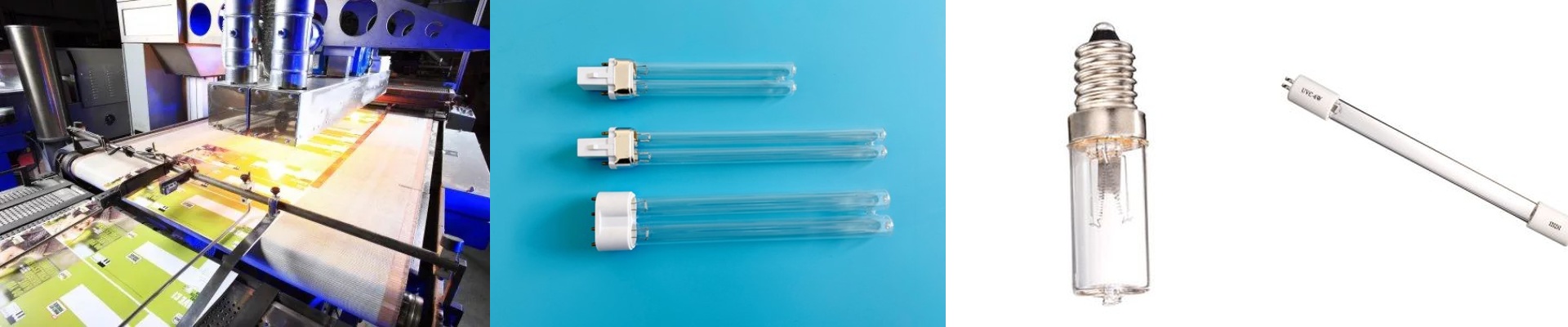
Let’s be honest: mercury UV tubes are the unsung heroes of the printing and coating world. They do the heavy lifting, turning liquid resins into solid films in a heartbeat. If they aren’t working right, everything stops.
How it actually works
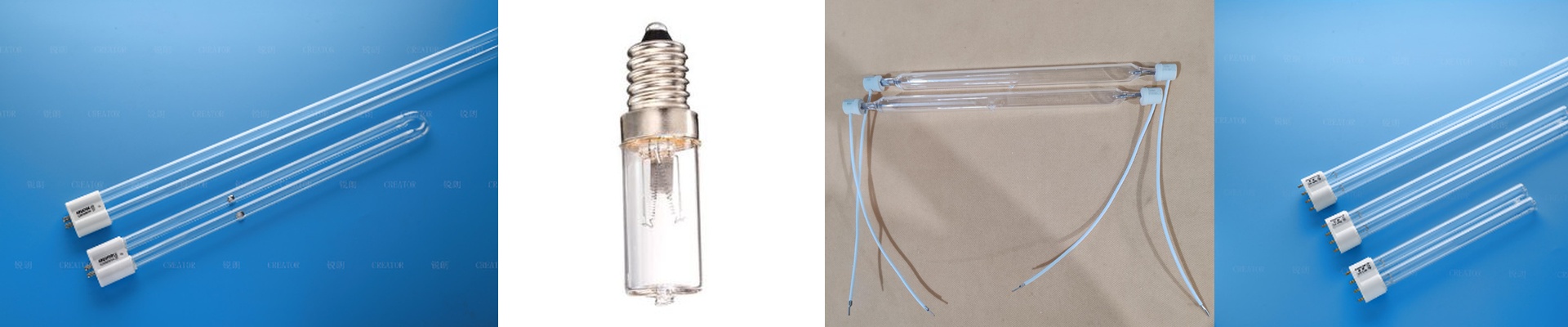
Inside these tubes, we’ve got mercury vapor tucked into high-purity quartz. When you flip the switch and the voltage hits, you get a blast of UV radiation—mostly in the UVC and UVB ranges. The real secret is in the electrodes. Cheap lamps tend to “burn out” quickly, which messes with your line speed. We spend our time stabilizing that chemistry so your arc stays steady. No flickering, no surprises. Just a consistent flow.
Dealing with the heat
Longer lamp life isn’t some miracle. It’s just good thermal management. We use a specific kind of quartz glass that doesn’t “solarize.” You know that cloudy look lamps get after a while? That’s the glass absorbing UV. Our stuff resists that. But here’s the thing: you’ve got to keep an eye on your cooling. These tubes gethot. Like, really hot. If your air or water cooling isn’t up to the task, the mercury starts to migrate and your output drops. Keep a close watch on the temperature, and your lamps will last way longer.
Making it all fit together
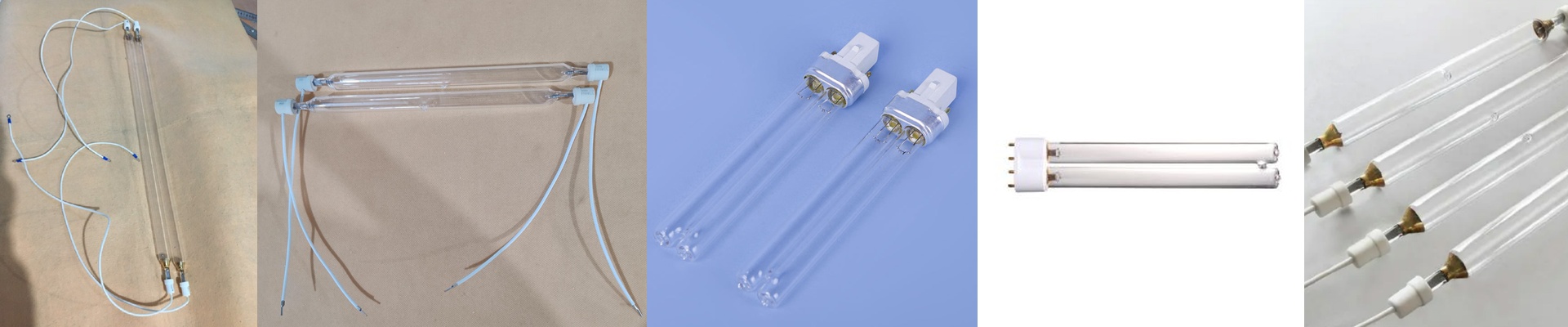
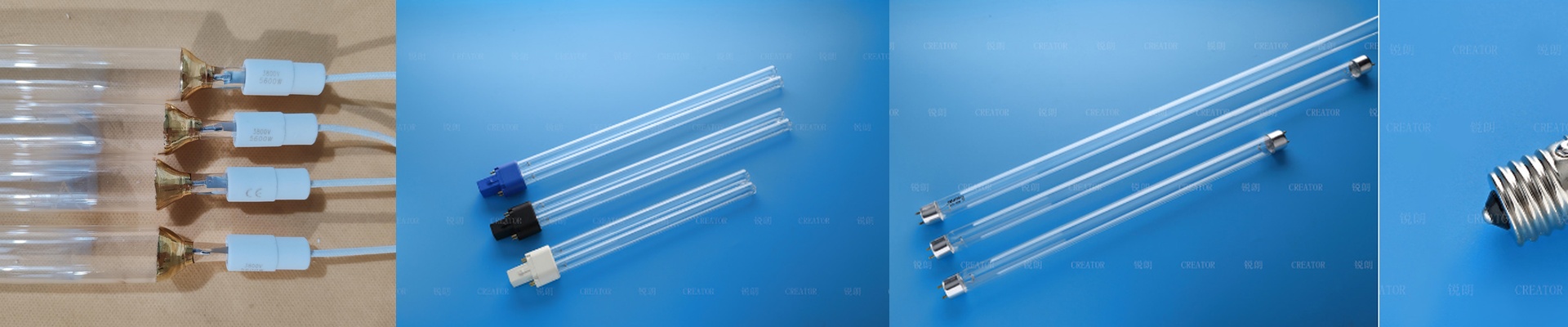
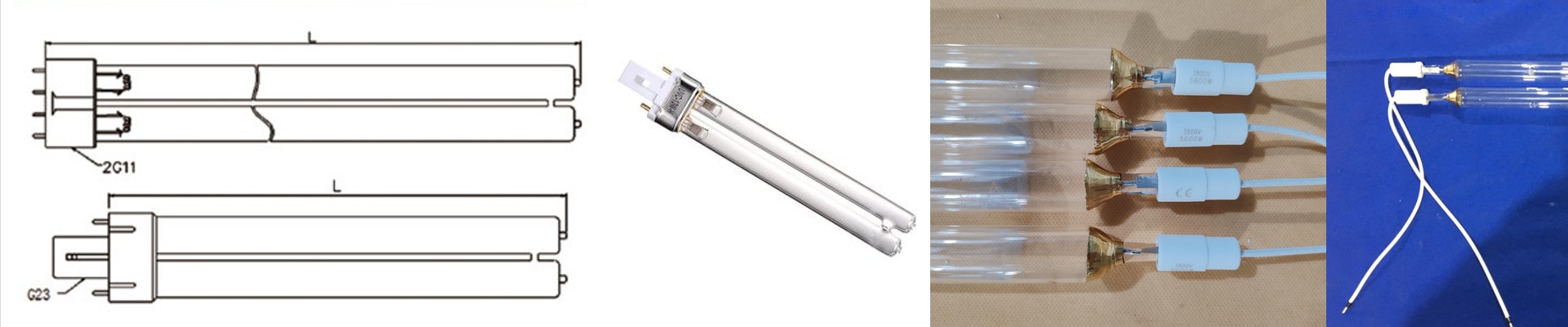
We don’t just want to sell you a part and wish you luck. We want to make sure the whole curing zone actually makes sense. That means matching the lamp’s length and power to how fast your conveyor is moving. If you’re noticing “skinning” or prints that aren’t fully cured, it’s usually just a mismatch between the UV dose and how thick the ink is. A quick tweak usually fixes it. Plus, we make our tubes drop-in replacements for most industrial presses. We make sure the electrical pins and the physical size match your ballast and reflectors perfectly. No guessing games, no awkward fitting—just swap the tube and get back to work.