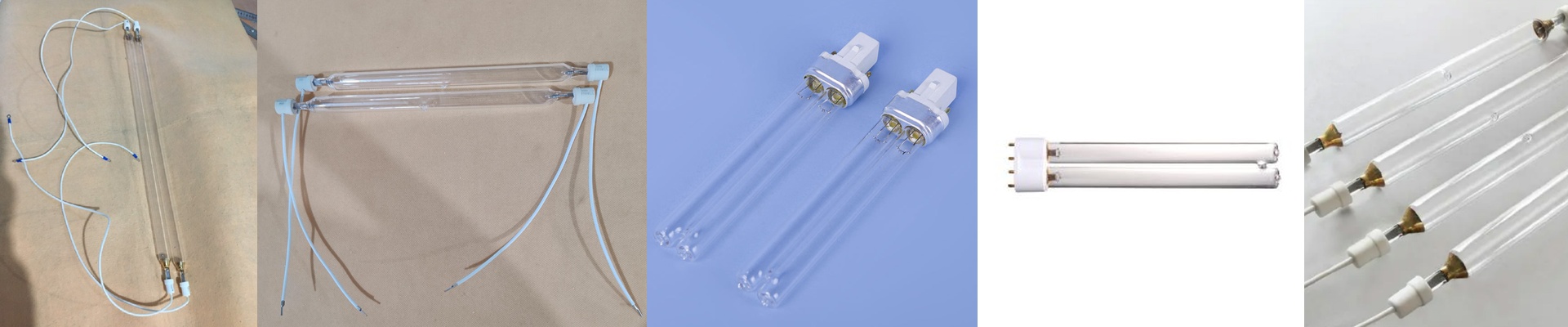
How we handle UV safety in our new lamp modules
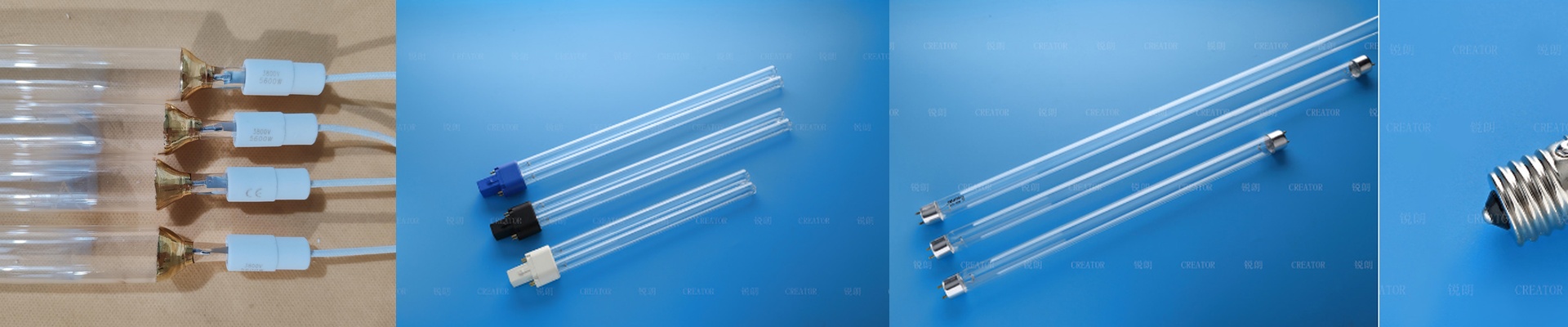
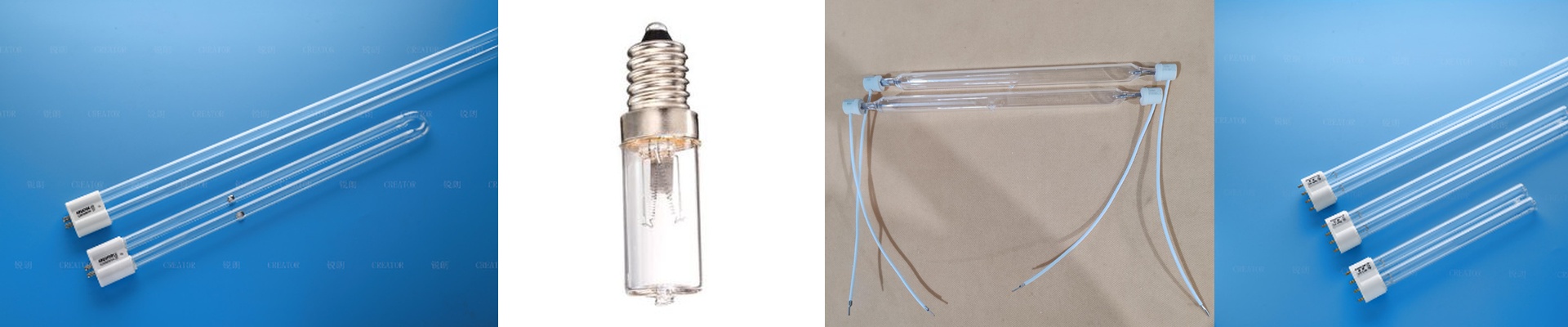
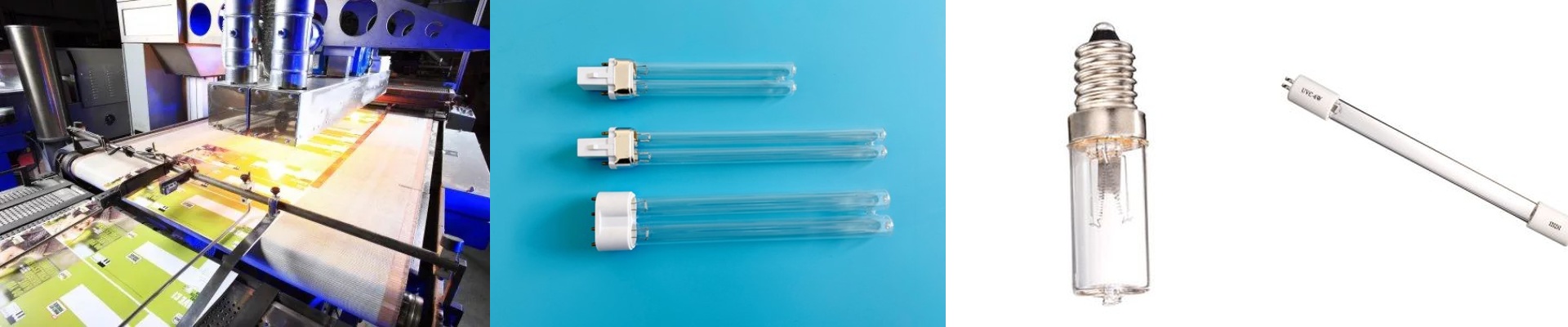
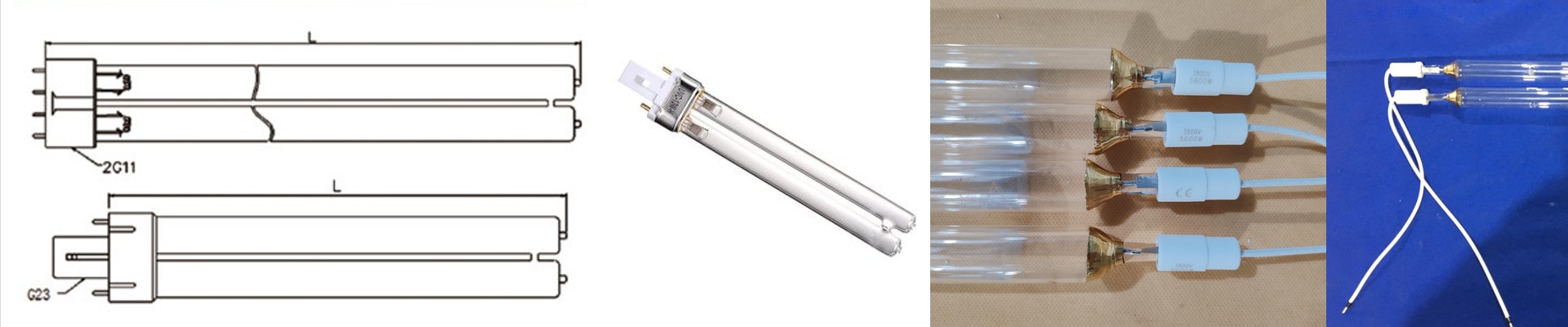
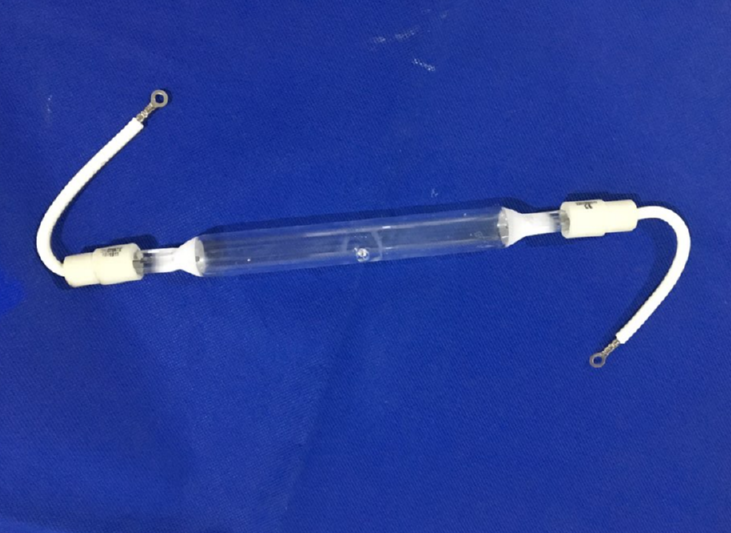
When we started designing the UV lamp modules for the 2026 printing exhibition, we had one big headache: how do you get massive UVC power without putting the operator at risk? In the world of industrial printing, you can’t just slap a lamp into a machine and hope for the best. It doesn’t work like that. You need a setup that keeps the light where it belongs and doesn’t melt under its own heat. Getting the light right We focused everything on the 253.7nm wavelength. To make sure those germicidal rays actually get through, we use high-purity synthetic quartz. But here’s the trick: you have to balance the wattage. If you try to crank it up just to speed up your production line, you’ll end up scorching your materials or killing the lamp’s lifespan. It’s a delicate balance. Keeping people safe Let’s be honest—UVC is nasty stuff if it hits your skin or eyes. That’s why we built these modules with safety interlocks. The second a housing door swings open, the power cuts out. Period. We also use aluminum reflectors. They do a great job of bouncing the light where it needs to go, but they also act as a solid wall so no stray rays leak out onto the shop floor. Dealing with the heat These things run hot. Really hot. To stop them from overheating, we use forced-air cooling. If the bulb gets too warm, the mercury vapor pressure shifts and your output just tanks. We’ve found that keeping the temperature steady adds about 15% more life to the tube. One last thing—keep an eye on your power supply. Voltage spikes are the fastest way to fry your electrodes. We suggest using a dedicated ballast to keep the current smooth. The best part? This setup makes maintenance a breeze. You can just drop in a replacement without having to rewire the whole rig.