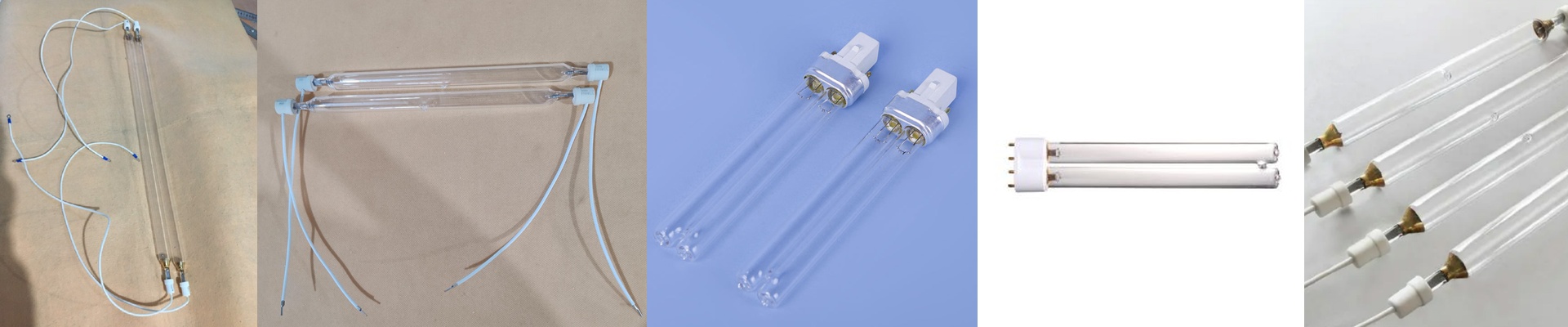
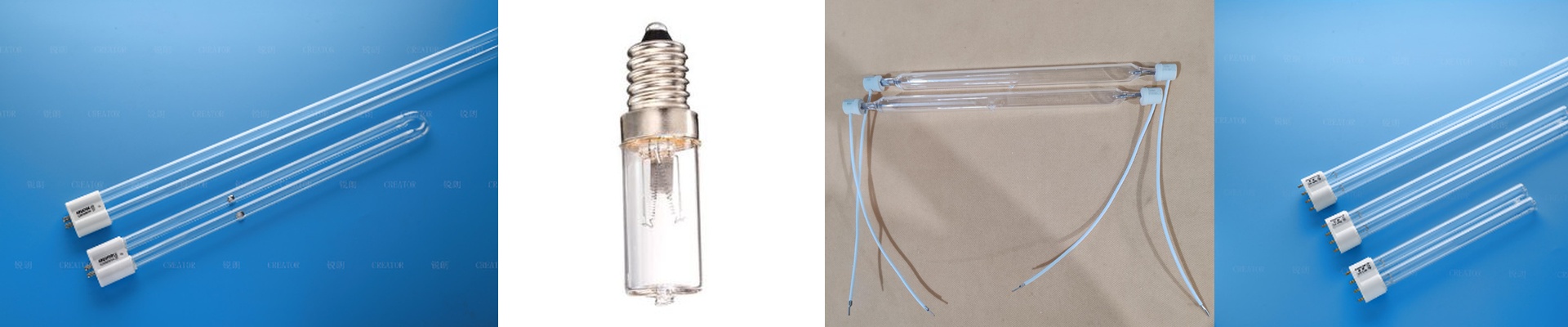
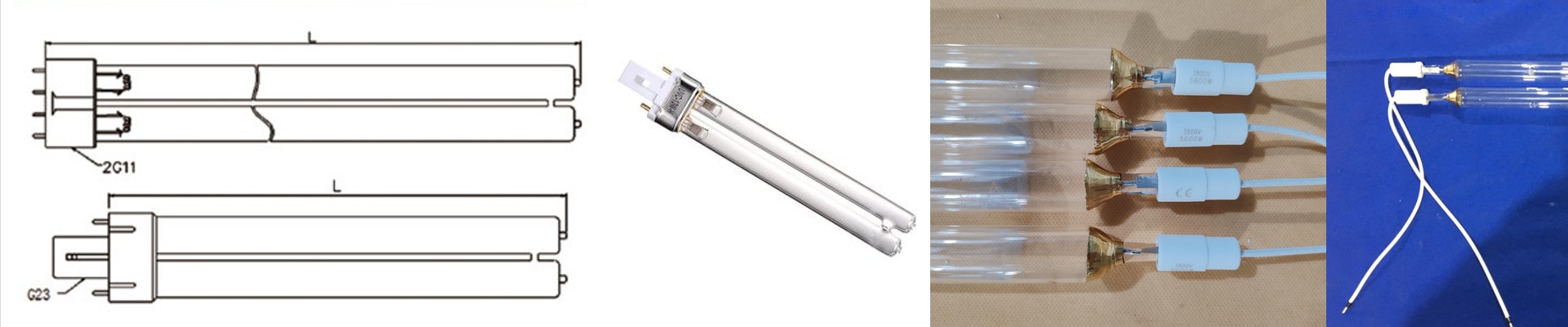
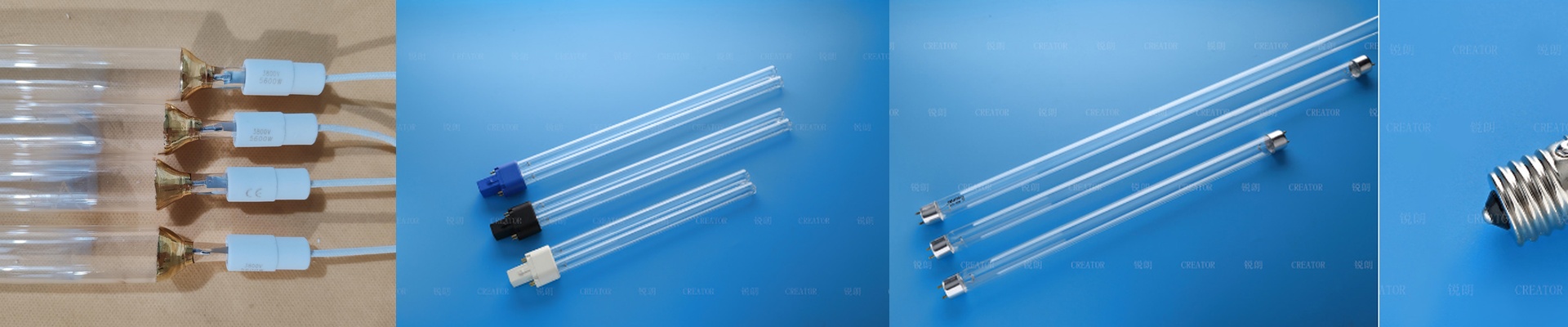
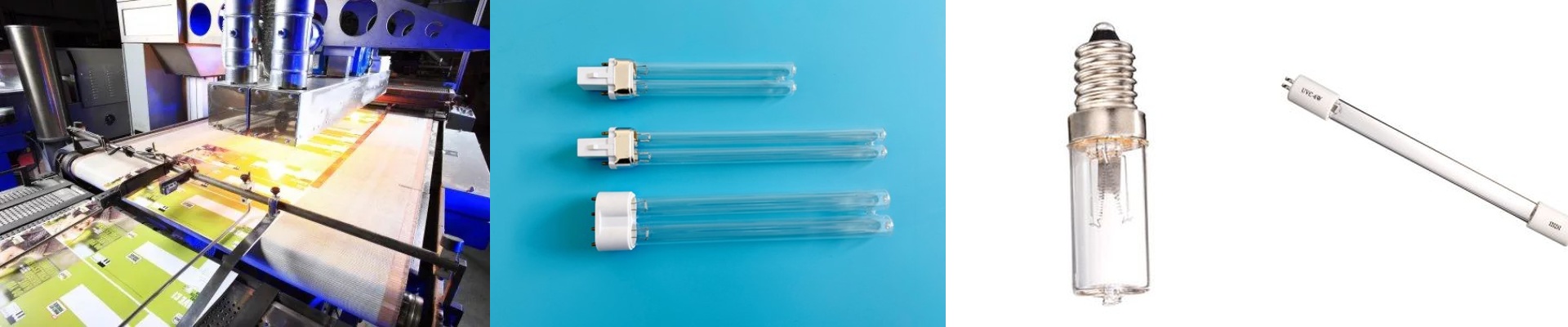
Getting the 120W/cm Mercury UV Lamp Right
When we design our standard mercury UV lamps, we’re thinking about the real-world grind of industrial printing and coating lines. Specifically, that 120W/cm power density. It’s a bit of a sweet spot. It gives you enough kick to snap those inks and adhesives into place without accidentally frying your materials.
The logic behind the power
Here’s the thing: power density is what actually dictates your line speed. At 120W/cm, we’re balancing the UV-C and UV-B output so the ink cures all the way through. You don’t want a “skin” of cured ink on top while the bottom stays wet—that’s how you get smears and headaches. But you can’t just crank the power indefinitely. Go too high, and you’ll start warping your PET or plastic films. To make this work, we use high-purity quartz glass. It’s the only material that lets those shortwave UV rays pass through freely. Any other glass would just soak up the energy, get too hot, and eventually crack.
The tricky parts (Heat and Wiring)
These lamps gethot. Seriously hot. If you try to run a 120W/cm tube without a solid cooling plan, you’re asking for trouble. We always suggest forced air or water-cooled jackets. Without them, the quartz envelope just burns out way too fast, and you’re replacing lamps a lot more often than you’d like. And a quick tip on the electrical side: make sure your ballast matches the lamp’s impedance. If they aren’t in sync, you’ll either starve the lamp of power or just blow the electrodes right out.
Where this actually fits in
You’ll mostly see these in offset printing and UV-coating setups. Think of the lamp as the engine of the whole operation. It throws a consistent, high-intensity beam that locks everything down in a fraction of a second. For the engineers out there, it’s just a reliable, standard tool that lets you keep high-volume production moving without the guesswork.