15 Years of Getting UV Lamps Right
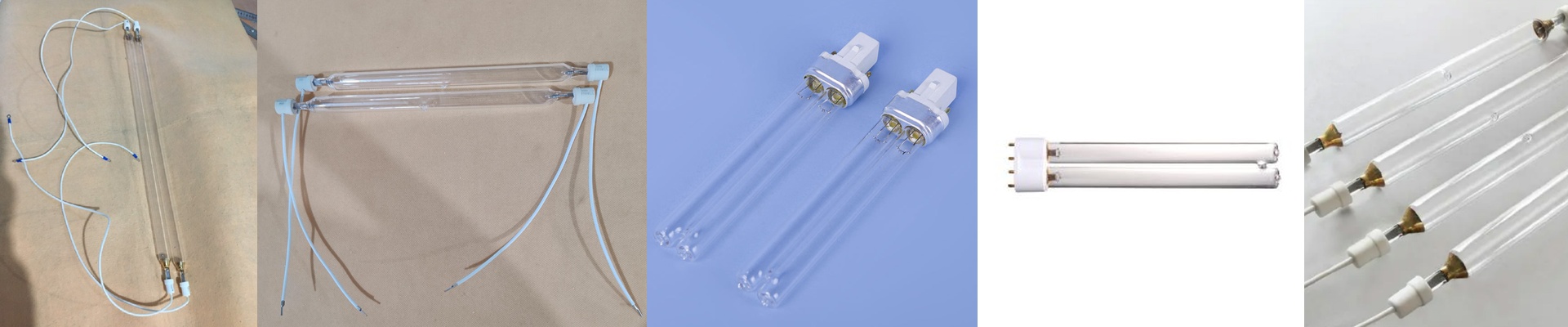
For a long time, we just did white-label production. We sold other people’s gear. But we spent the last 15 years moving away from that, obsessing over how to actually engineer our own mercury UV lamps. We didn’t want to just “copy” the big international brands. We wanted to figure out how to make lamps that actually last and stay stable. That meant getting our hands dirty with the chemistry of the arc and the purity of the quartz.
The tricky part: The Physics
Here’s the thing about mercury UV lamps: they live or die by the mix of argon and mercury vapor. If that fill pressure is even slightly off, the arc starts to wander. You’ll see “hot spots” on the tube, and that’s bad news. It kills the quartz prematurely. We spend a lot of time calibrating this so the light stays consistent from one end of the tube to the other. Why does that matter? Because nobody wants to find a patch of uncured resin on their product after it’s already gone through the line.
Quartz and Heat (The real killers)
We use high-purity fused quartz. If you use the cheap stuff, the glass “solarizes”—it basically turns brown. Once that happens, the UV light can’t get through, and your line speed tanks. Our quartz can handle the shock of being turned on and off quickly without cracking. But you’ve got to keep an eye on your cooling. These high-wattage lamps put out a massive amount of infrared heat. If your fans or water jackets aren’t up to the task, the tube overheats. The vapor pressure spikes, and your electrodes burn out way faster than they should.
Making it work in your shop
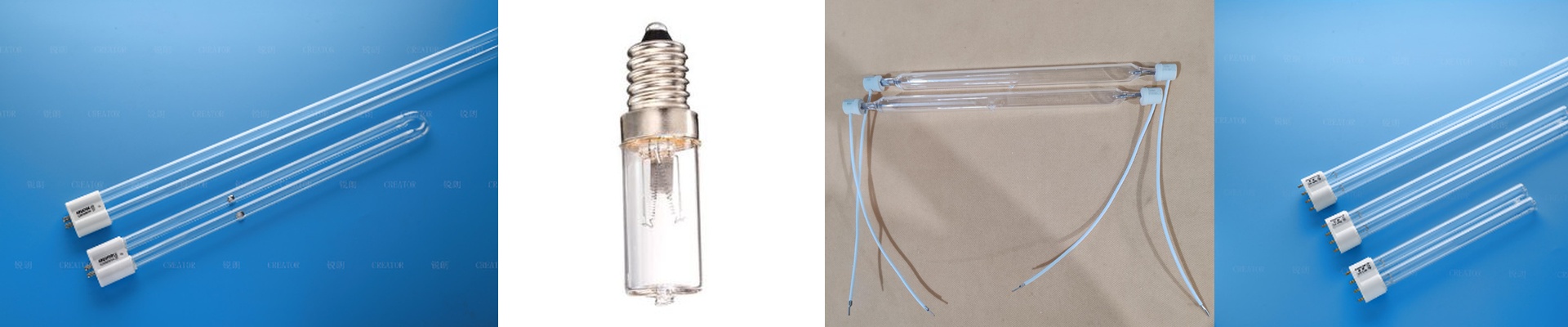
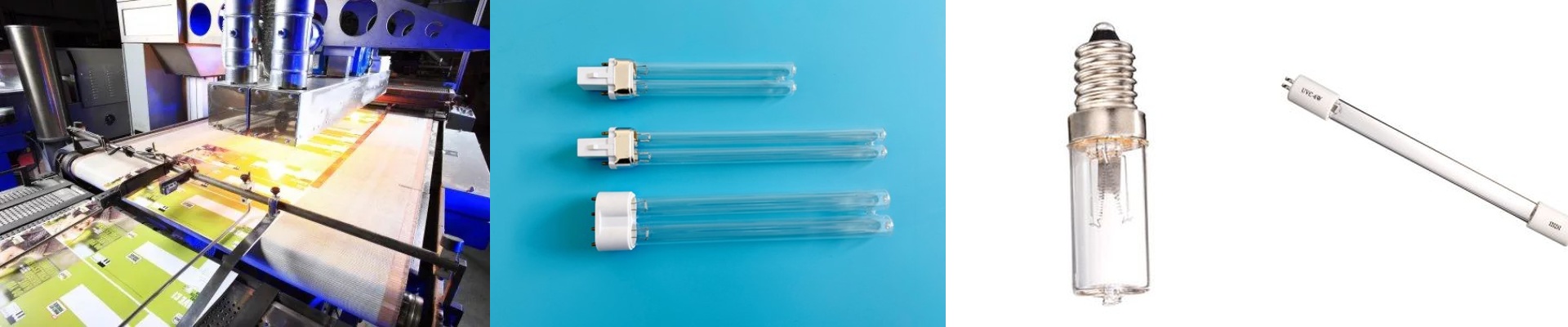
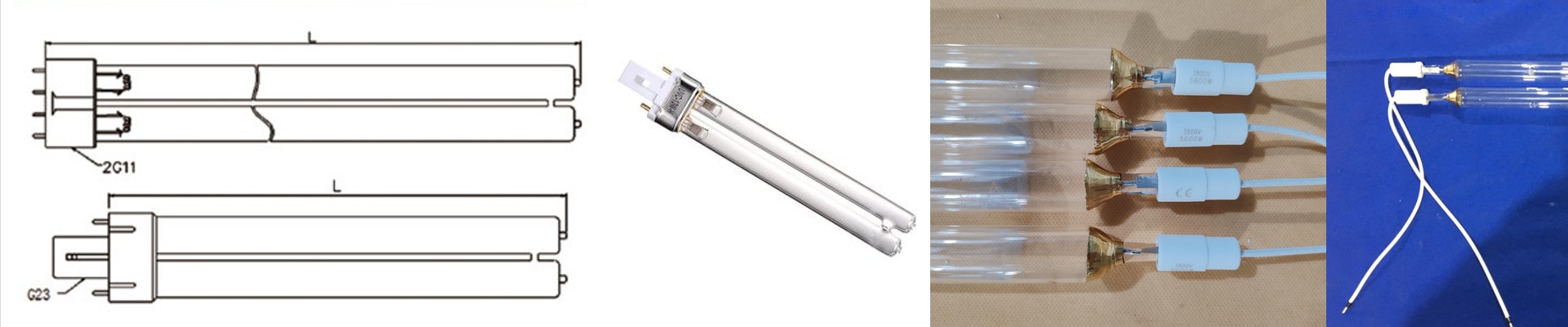
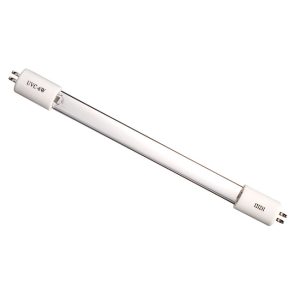
We built these to be drop-in replacements. Whether you’re running a PET blowing line or some high-speed coating process, these just fit. No hacking, no modifying. We paid extra attention to the electrode contact points so you don’t deal with annoying arcing at the base. And we kept the end-cap dimensions tight. That means you aren’t fighting with the sockets during a changeover. You just pop it in, set your ballast, and you’re at full power in seconds. Simple.