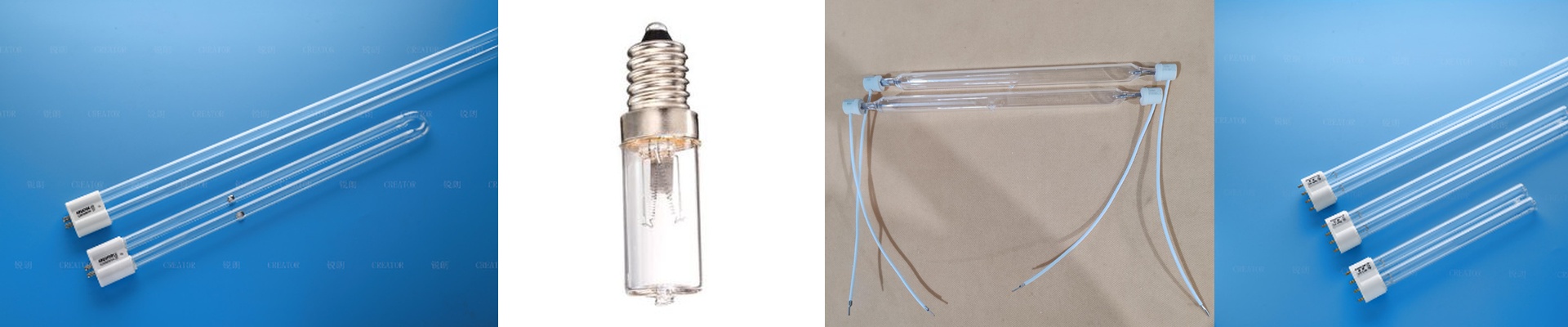
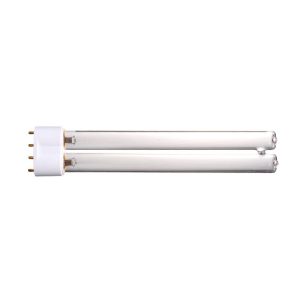
Getting the Spectrum Right: Why 0.5% Matters
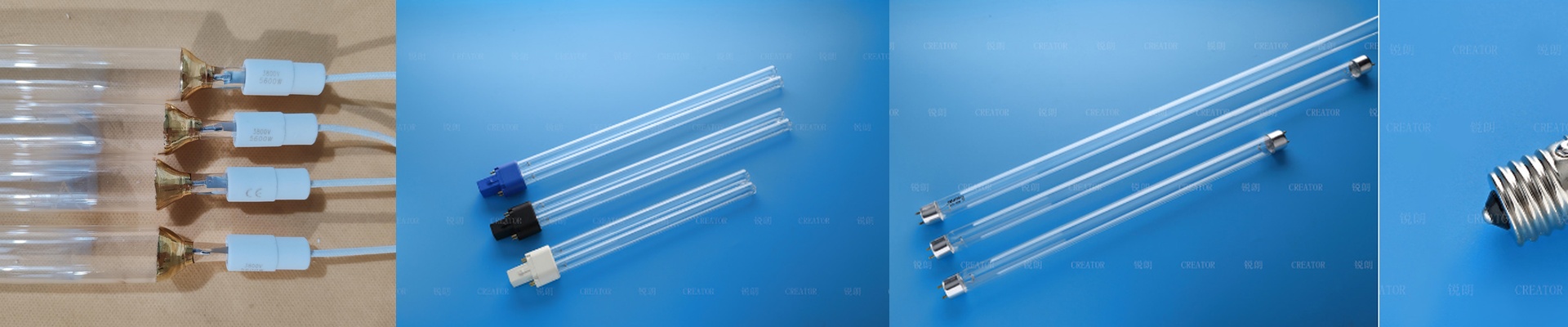
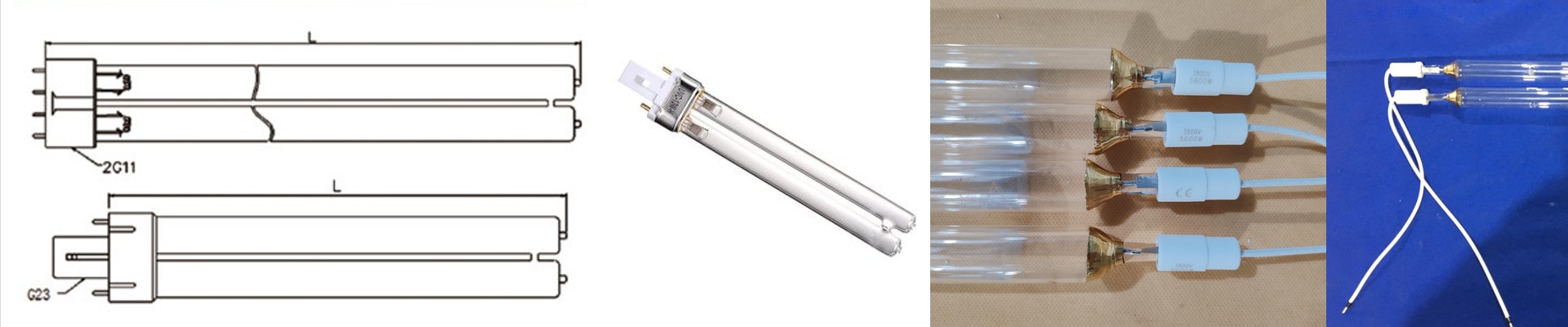
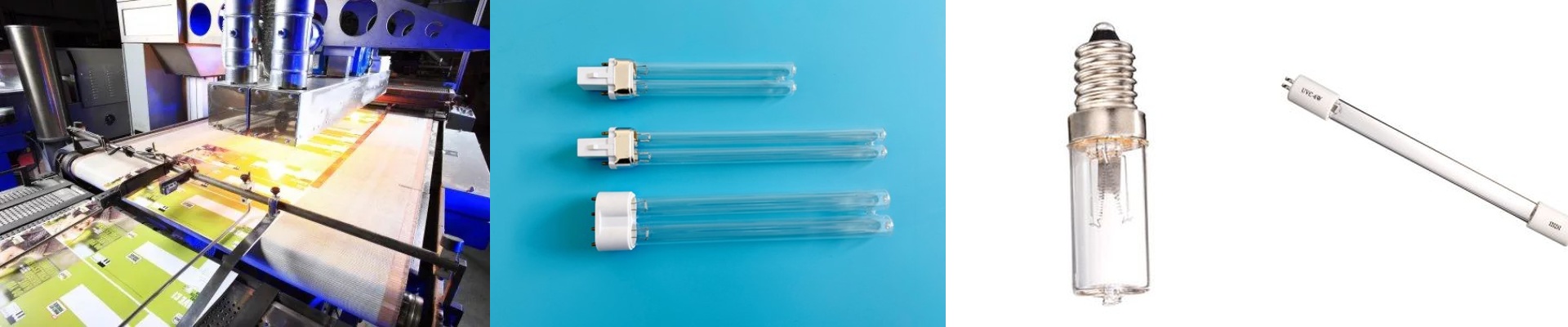
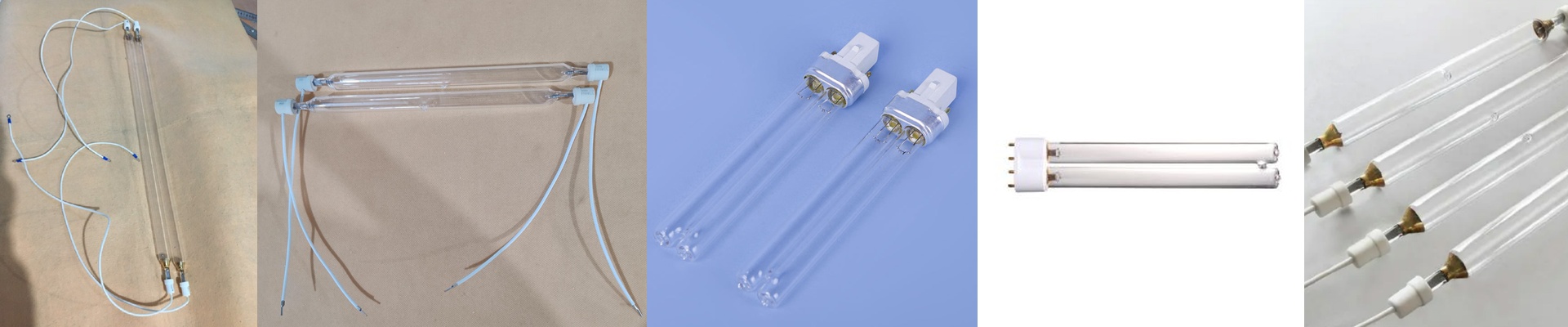
Most UV lamps you buy off the shelf are kind of “messy.” They throw out a broad range of light, but if you’re doing precision curing or sterilization, most of that energy is just wasted. We spent our last R&D cycle trying to fix that. We wanted to squeeze the energy into a tiny, 0.5% window. It’s not about some vague idea of “quality”—it’s about packing as many photons as possible into one specific spot.
How we actually did it
Hitting a 0.5% window is tough. We had to start from scratch with the gas mix and the way the electrodes are shaped. We use high-purity synthetic quartz because regular glass absorbs too much UV. If there are impurities in the glass, your peak wavelength drifts, and suddenly you’re not hitting your target. We even measure the tube walls down to the micron. Why? Because if the internal pressure is slightly off, the spectral line shifts. We keep it tight so the energy hits exactly what your photo-initiators are looking for.
The heat problem
Here’s the catch: when you cram that much energy into such a narrow band, things get hot. Fast. You can’t just crank up the wattage, or you’ll burn the whole thing out. To stop that, we used special alloys for the electrodes. This prevents “sputtering”—that annoying process where bits of metal contaminate the tube and make your spectrum drift over time. But you’ll notice the heat. These lamps run way hotter than your standard broad-spectrum tubes. You’re going to need some serious cooling—think beefy fans or water-jackets. If you skimp on the cooling, the quartz will eventually stress-crack.
Putting it to work
We made these as drop-in replacements, so they should fit right into your current fixtures. But a word of warning: your power supply has to be rock solid. If your voltage ripples, your spectral peak will wander. We suggest using a stabilized constant-current driver to keep that 0.5% window locked in. Pair that with a precision controller, and you’ll get the same curing speed on every single millimeter of your material. No guesswork. Just consistent results.