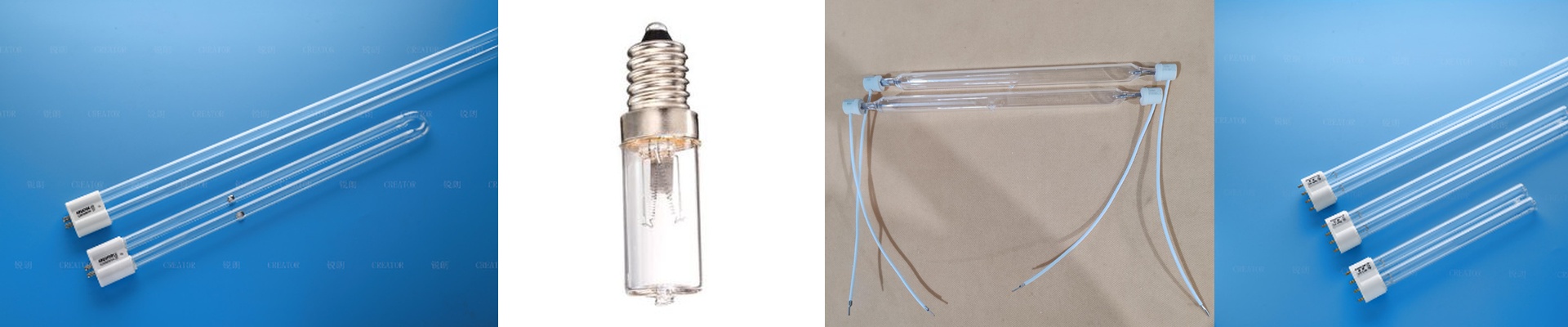
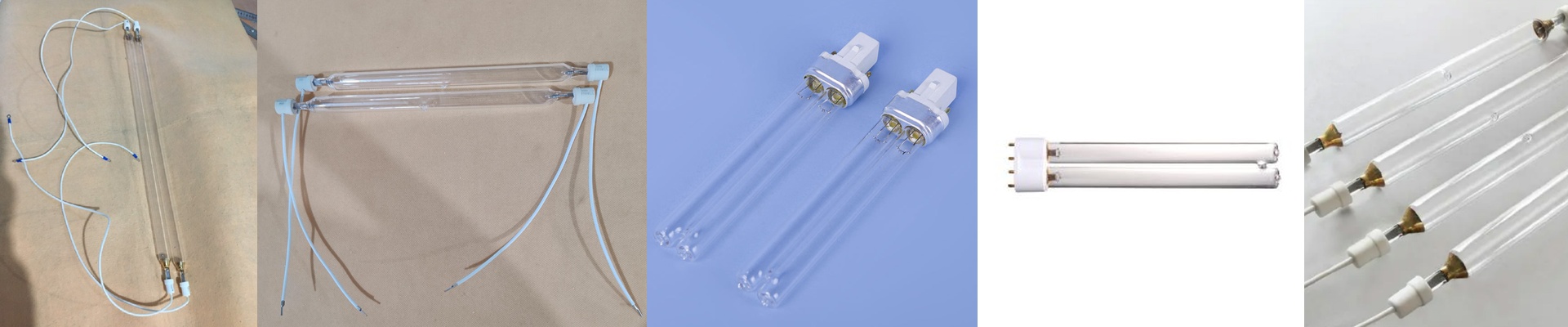
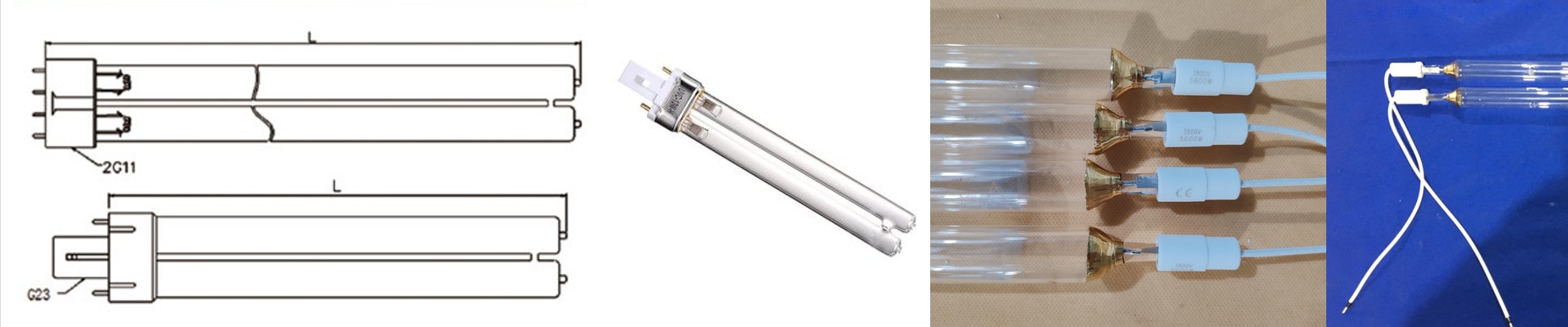
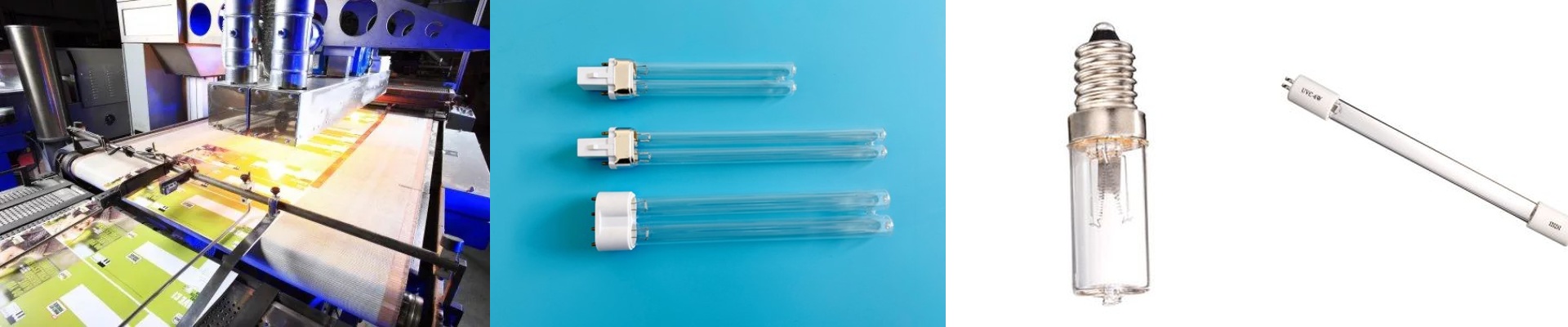
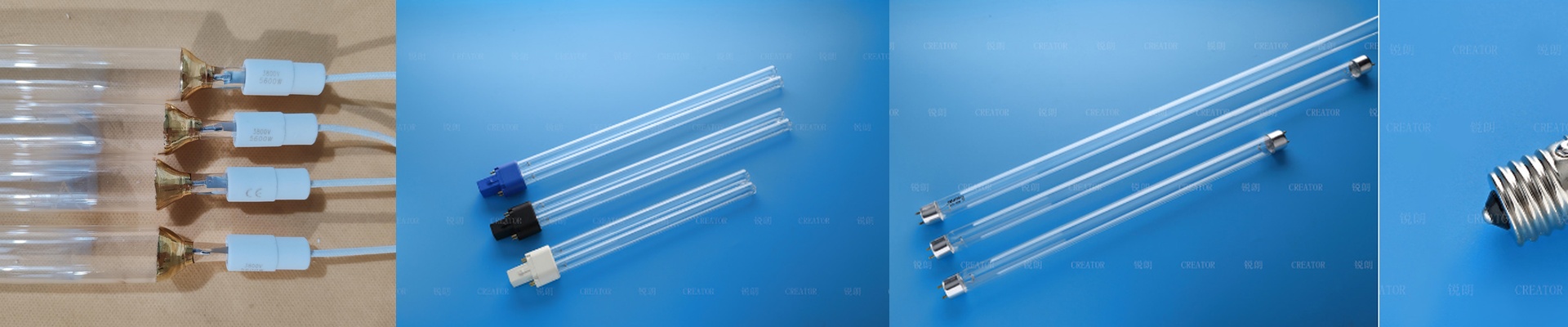
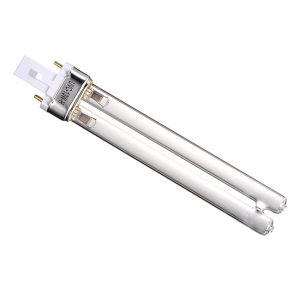
On the KTK elliptical press line, flash curing is anything but steady. It’s a brutal cycle of repeated arc ignition and immediate shutdown, forced by registration needs and web-path interruptions. Standard medium-pressure mercury lamps take a beating here. Electrodes erode fast, ignition voltage drifts, and output stability falls apart after thousands of starts. So we built a cold cathode UVC germicidal lamp as a pulse-start curing module—built to handle high-frequency cycling without losing spectral integrity. The core of it is the cold cathode geometry. No hot filament means no filament sputter loss, so each start is mechanically easier on the lamp. We run an ozone-free 254 nm output profile that lines up with photoinitiator absorption in thin-film UV inks, and the lamp is spec’d for rapid arc stabilization—sub-millisecond light rise under repeated triggering. Peak irradiance stays consistent thanks to a reflector system with a dichroic coating optimized for short-wave transmission, so energy density at the substrate remains repeatable even during rapid on/off bursts. That matters on KTK machines because downtime isn’t measured in minutes—it’s measured in missed impressions. With this lamp, you get the same curing window after every restart, cutting tack and set-off defects that come from incomplete cross-linking. Energy use drops because the arc stays efficient across the cycle, and lamp replacement intervals stretch out since electrode wear is no longer the failure point. Installation is straightforward, but the system is picky about ignitor and power supply matching. Make sure your ballast supports the required open-circuit voltage and that lamp orientation matches the specified electrode alignment. Also, keep the quartz surfaces clean—254 nm output is easily attenuated by residues, and even thin films will throw off your dose. If your press uses an end-of-life sensor, spec the correct one—cold cathode end-of-life behavior is different from hot-cathode lamps.