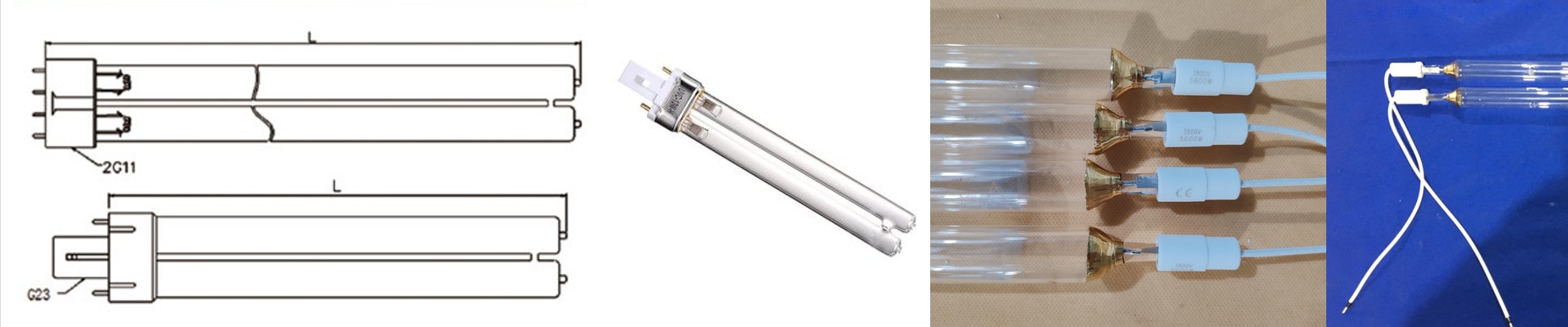
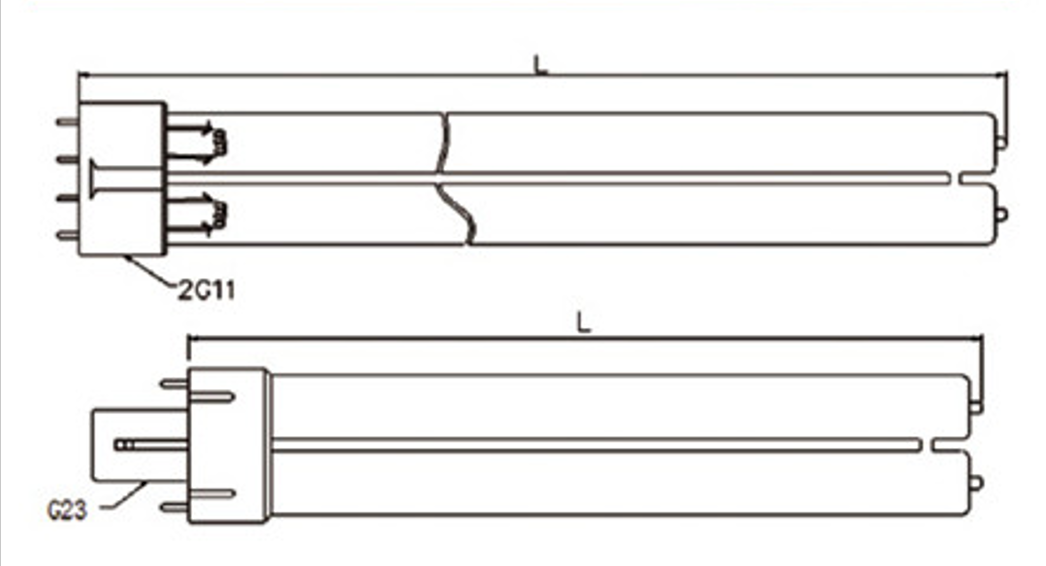
Let’s Talk About Gallium Iodide Lamps
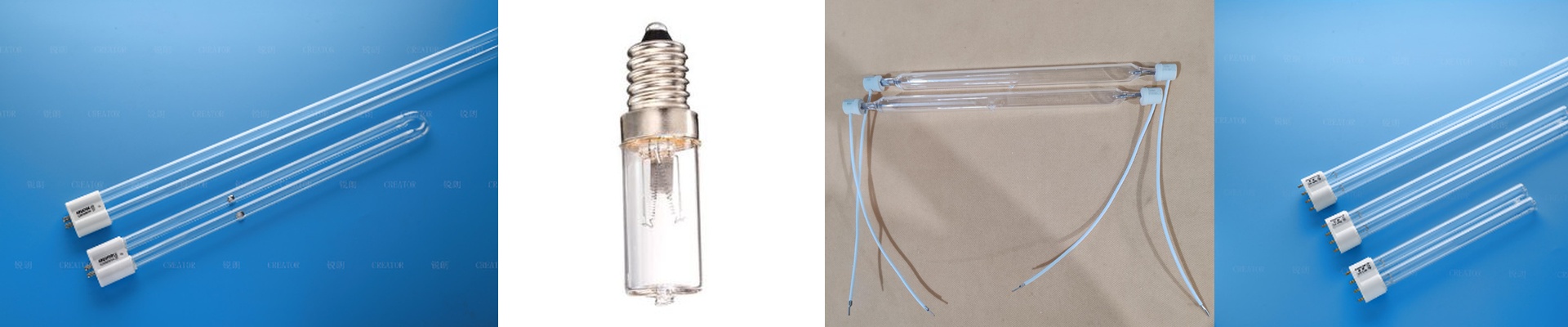
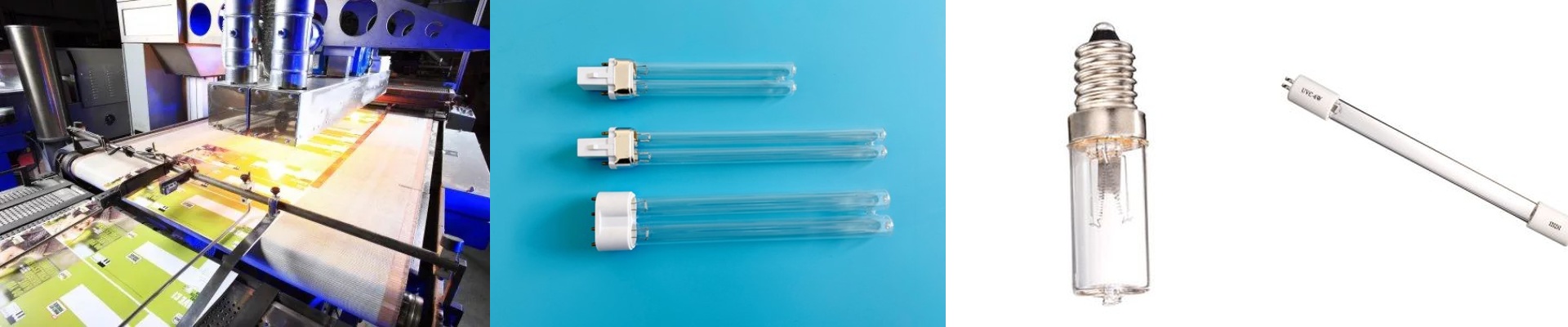
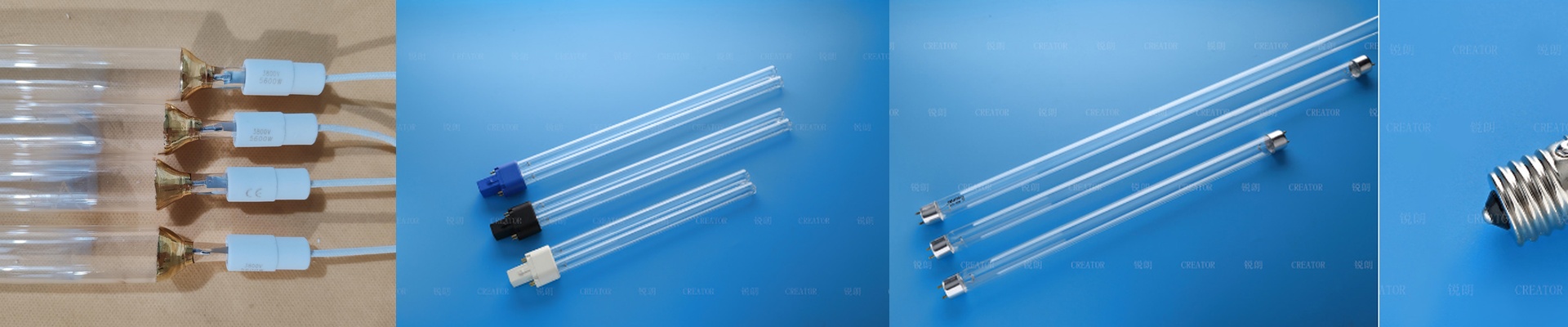
If you’ve spent any time in a lab or a fab, you know that most UV lamps are a bit too “broad.” They throw out a mess of wavelengths when all you really need is one specific, sharp hit of light. That’s where our Gallium Iodide (GaI) lamps come in. We’ve spent 15 years obsessing over the chemistry of the gallium filling and the quality of the quartz. Why? Because we wanted to build something that stands toe-to-toe with the biggest international brands without the corporate headache. The trick is in the precision. We usually aim for those critical spots around 253.7 nm or the 300-350 nm range. It sounds like a small detail, but if the filling pressure or the iodide concentration is off by even a tiny bit, the spectral peak shifts. If that happens, your curing or etching process is basically ruined. It’s a frustrating way to lose a batch of work. To stop that from happening, we use high-purity synthetic quartz. Regular glass just wouldn’t cut it—it would block the UV light and likely crack the moment things got hot. These lamps go through a lot of thermal stress, heating up and cooling down constantly. The quartz has to be tough enough to handle that without warping. We make them fit your setup. You don’t have to redesign your machine for us. Whether you need a weird length or a specific end-cap, we’ll build it to your footprint. We also spec the electrodes carefully so you aren’t replacing bulbs every five minutes due to premature burn-out. Most of our tubes just slide right into your existing OEM systems. But here is the honest truth: high-intensity UV creates a lot of heat. A high-wattage GaI lamp puts out a serious amount of infrared radiation along with the UV. You can’t just tuck these into a closed box and hope for the best. You need a solid cooling jacket or some serious forced air moving through the system. If the cooling isn’t there, the quartz overheats. That kills the lamp’s lifespan and shifts your wavelength right when you need it to be stable. We’ll handle the chemistry and the glass. You handle the cooling. When those two things click, you get the kind of consistency you actually need for semiconductor fab or medical sterilization.