Getting the Wavelength Right
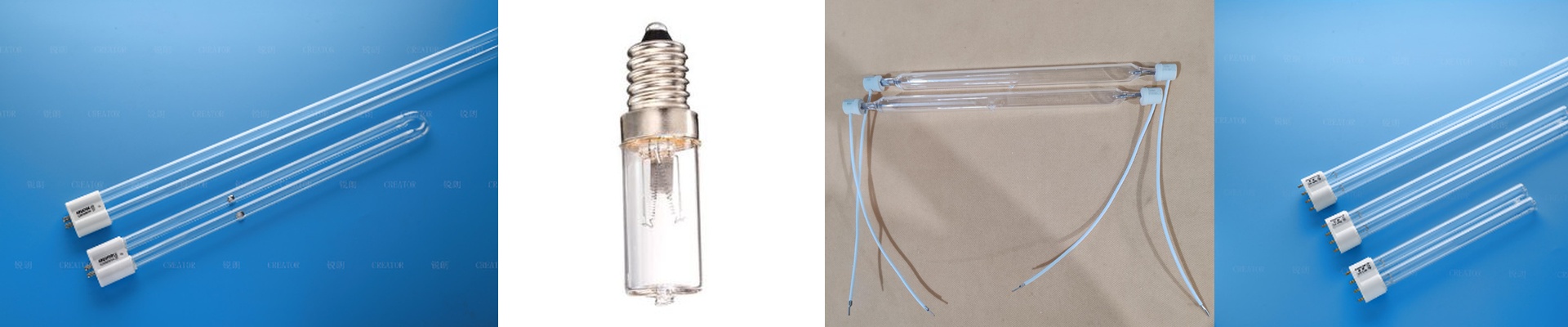
We don’t just put together lamps. We’re more into tuning photons. In the lab, we spend most of our time obsessing over a tiny gap. It’s the difference between a lamp that just glows and one that actually rips molecular bonds apart. For sterilization, we aim for that 253.7nm peak. That’s the sweet spot for breaking down microorganism DNA. If you miss that mark by even a few nanometers? Your kill rate tanks. Simple as that.
Taming the Spectrum
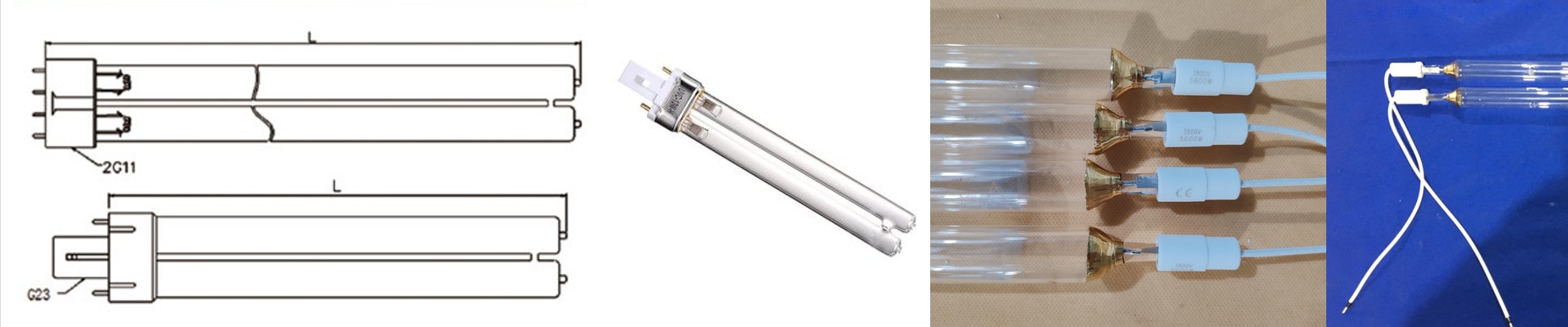
Getting that kind of precision isn’t easy. It comes down to the quartz envelope and the gas mix inside the tube. We use high-purity synthetic quartz because it lets the light through without a fight. Cheap glass has impurities that soak up the UV-C energy and turn it into heat. You end up with a lamp that’s burning hot but isn’t actually cleaning anything. Now, when we’re talking about curing resins or inks, we shift gears toward UV-A and UV-B. That’s what triggers the photoinitiators. We also get really picky about the electrode materials to stop “sputtering.” That’s when metal flakes off and leaves dark spots on the glass. Those spots block the light, and suddenly you’ve got uneven curing all across your conveyor belt. It’s a headache you don’t want.
The Trade-offs
Here’s the catch: high intensity isn’t free. When you cram more wattage into a small space, the ends of the lamp get stressed. If you run them at full blast without a forced-air cooling system, you’ll fry the electrodes. We’ve seen plenty of systems crash just because someone ignored the heat sink requirements. It happens. But it’s expensive.
Making it Work
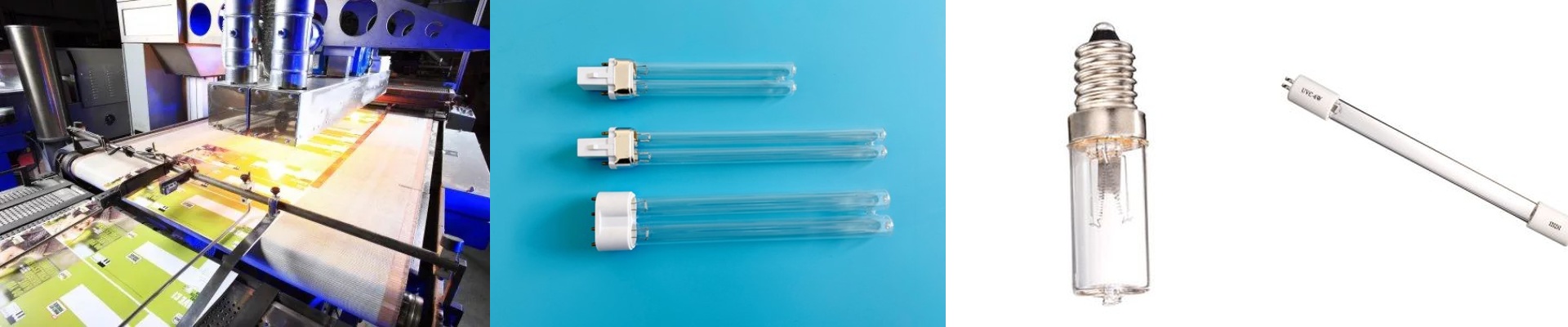
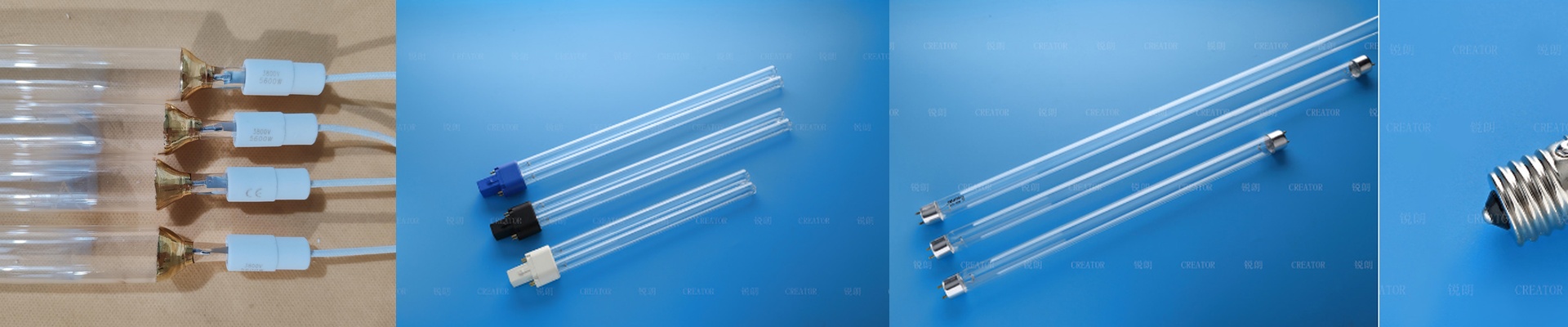
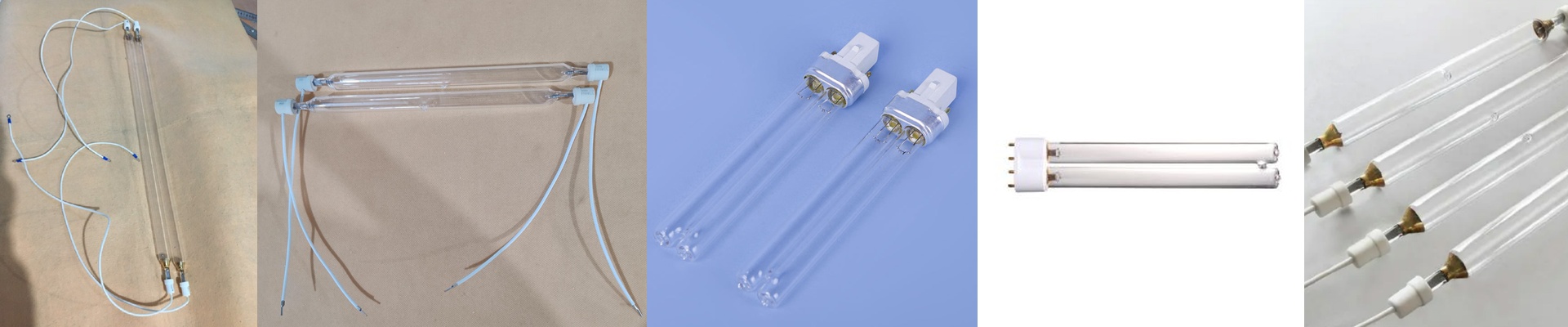
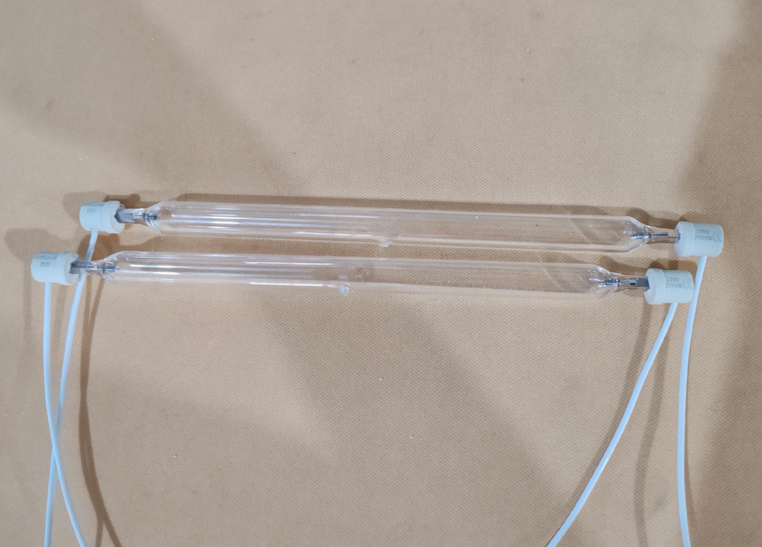
We build these to be drop-in replacements. Whether you’re scrubbing a water line or coating PET, the lamp needs to fit the housing perfectly. No gaps. Any light leaking out of a sterilization chamber means your target isn’t getting the full dose. We keep the tolerances tight. That way, you can just wire it up and get your production line moving again.