Getting Your Curing Cycles Right with Mercury UV Lamps
Mercury vapor lamps are still the heavy lifters in industrial curing. Why? Because they hit a wide range of the spectrum. We build these bulbs to kickstart the photoinitiators in your inks and coatings, turning a wet mess into a rock-solid finish in a fraction of a second.
How it actually works
Think of it as an electric arc jumping through vaporized mercury. That process pumps out UV radiation—mostly UVC and UVB—which basically rips through the chemical bonds of your coating to set it. When we talk about wattage and length, we’re really talking about your line speed. More wattage means more punch (irradiance), which lets you crank up the conveyor belt without worrying about those annoying “wet spots” that ruin a batch.
The gear and the trade-offs
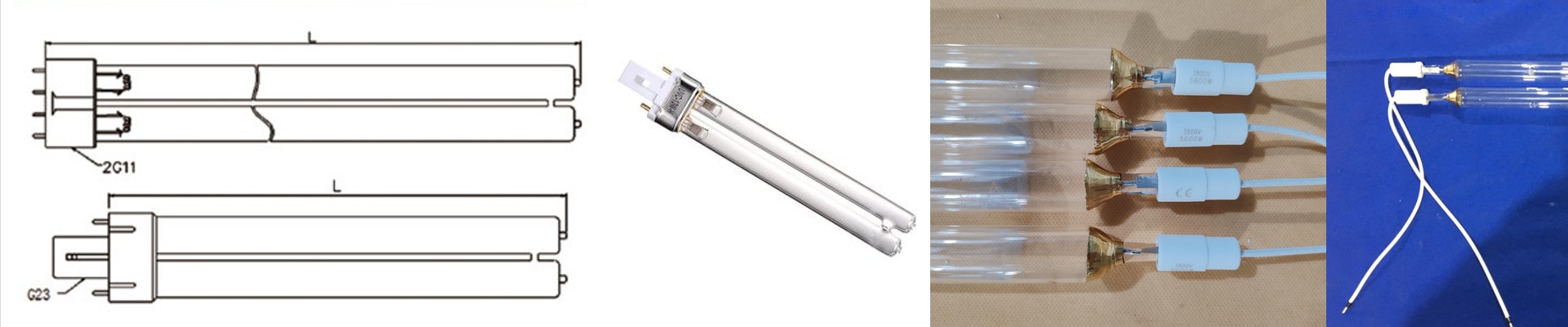
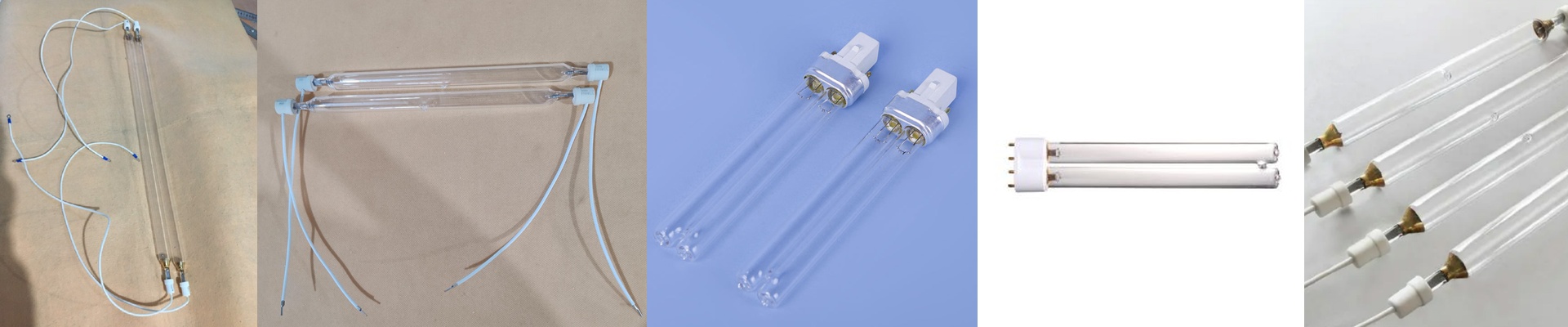
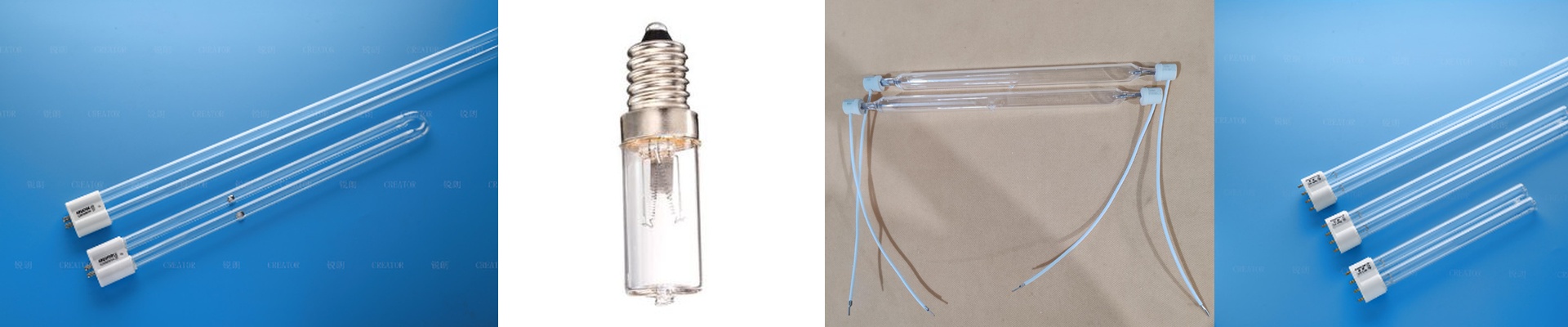
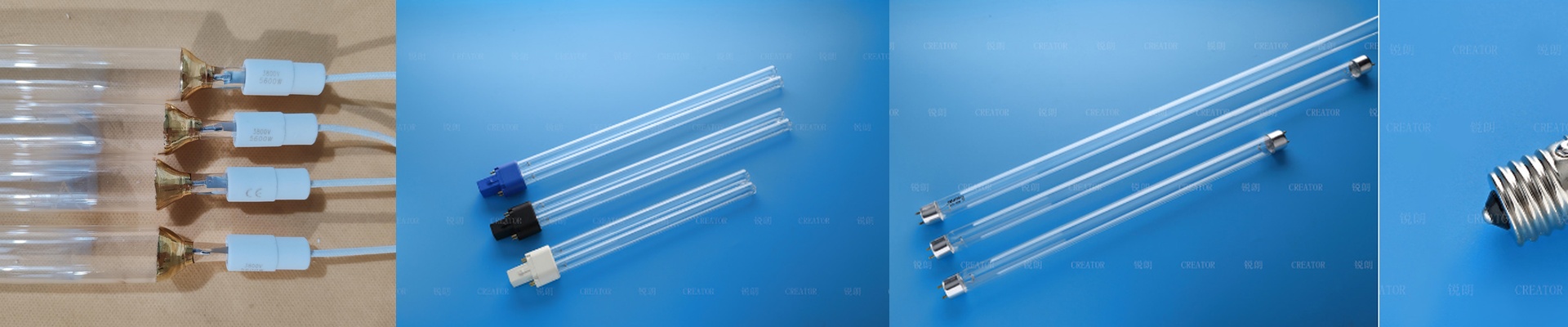
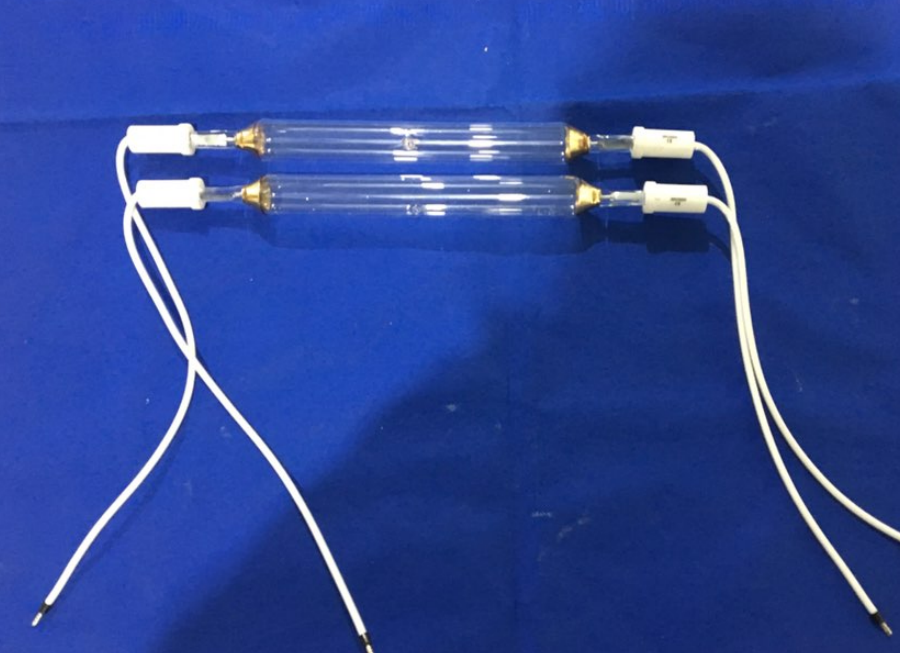
We make these bulbs in a bunch of different sizes to fit your reflector housings. We use high-purity quartz glass for a reason: if the glass isn’t clean, the tube absorbs the UV rays instead of letting them hit your product. One big tip: make sure your ballast matches the bulb’s voltage and current. It’s tempting to over-drive a lamp to get a bit more intensity, but you’re just killing the electrodes. You’ll end up replacing bulbs way more often than you should. Most of our tubes are simple drop-in replacements. Still, do yourself a favor and double-check the footprint and connectors before you start wiring things up. It saves a lot of headaches.
Making it work in your shop
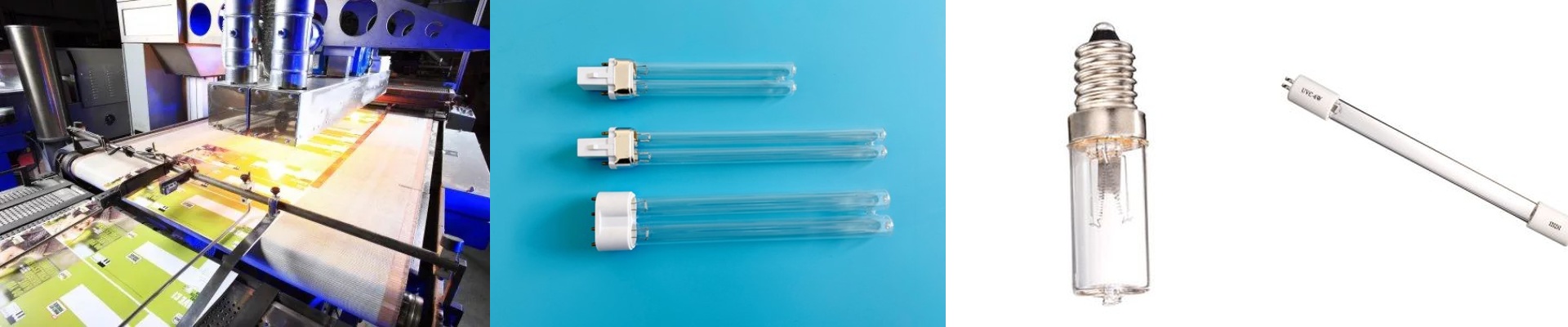
If you’re doing printing or textiles, the distance between the bulb and your material is everything. Get too close? You’ll scorch the material. Too far? The ink stays tacky. It’s a balancing act. We don’t just throw a part in a box and ship it. We’ll help you figure out the actual dose you need—basically, how much power multiplied by how much time—so your finish doesn’t peel or smudge the moment it’s touched. And please,keep your reflectors clean. A little bit of dust on the mirror can kill your output by 20%. That forces you to run your lamps hotter than they need to be, which just wears them out faster.